
 EN
EN
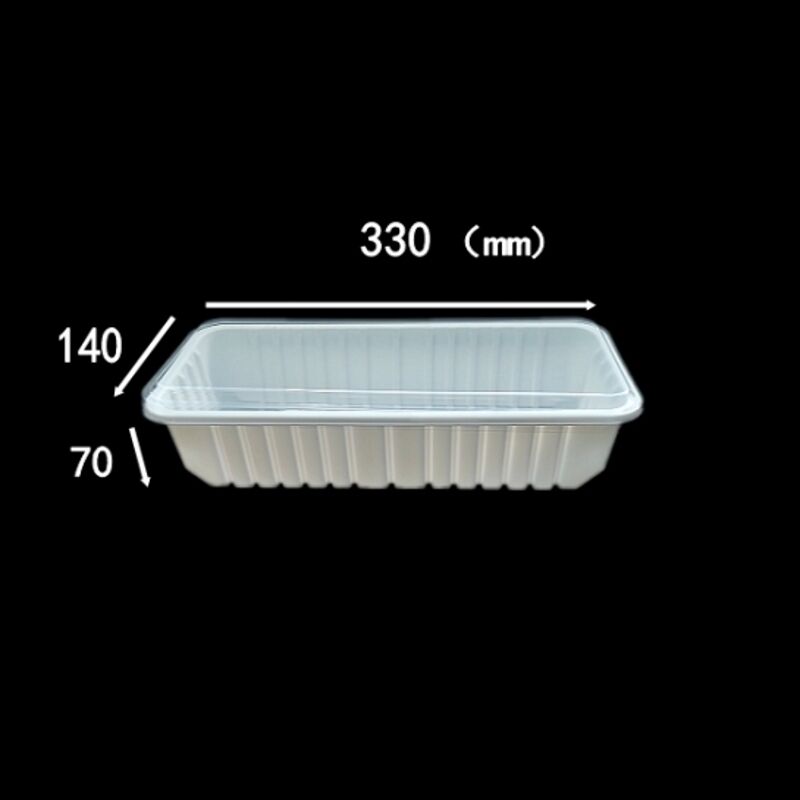
Modern retail operations demand efficient storage solutions that maximize space utilization while maintaining product quality and safety standards. In the competitive landscape of food retail, backroom organization plays a crucial role in operational efficiency and cost management. Map trays have emerged as a revolutionary storage solution that transforms how retailers manage their backroom inventory, offering significant organizational benefits that extend far beyond traditional storage methods. These specialized trays provide a systematic approach to inventory management that reduces waste, improves workflow efficiency, and enhances overall operational performance in retail environments.
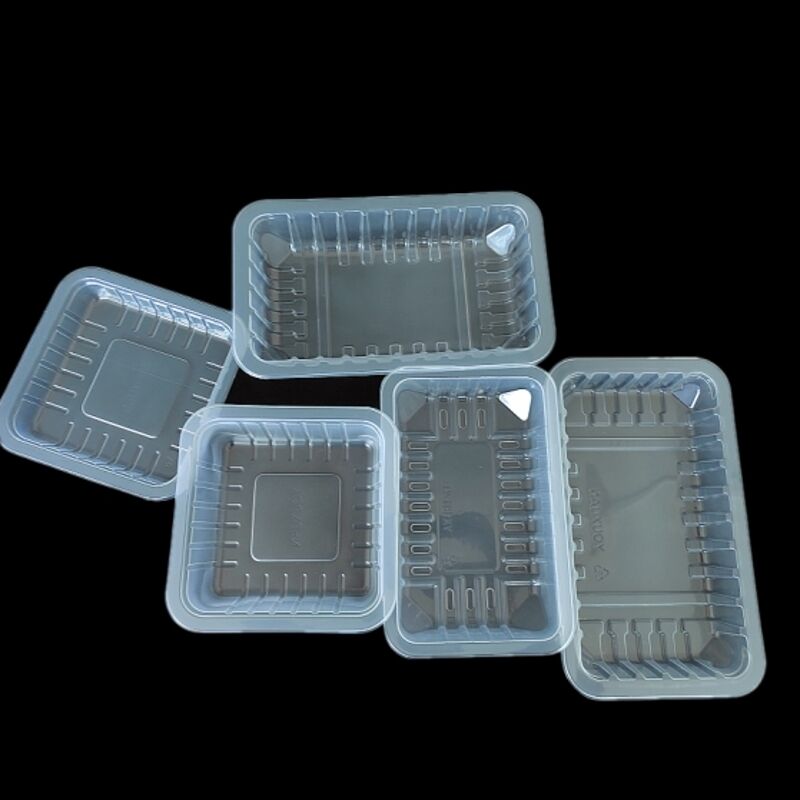
Maximizing Storage Efficiency Through Strategic Design
Space Optimization Capabilities
The implementation of map trays in retail backrooms creates a dramatic improvement in space utilization efficiency. These specialized containers are engineered with precise dimensions that allow for optimal stacking configurations, reducing the overall footprint required for storage while maximizing vertical space usage. The standardized design of map trays ensures consistent storage patterns that eliminate wasted space between containers and create uniform storage systems throughout the facility. This systematic approach to space management allows retailers to store significantly more inventory in the same physical space compared to traditional storage methods.
The modular nature of map trays enables retailers to create customized storage configurations that adapt to varying inventory requirements and seasonal fluctuations. Each tray is designed to stack securely with others of the same type, creating stable tower configurations that can be easily accessed and reorganized as needed. This flexibility in storage arrangement allows backroom managers to optimize their space allocation based on current inventory demands while maintaining the ability to quickly reconfigure storage patterns when product mix changes occur.
Inventory Density Enhancement
Map trays significantly increase inventory density by providing structured compartments that prevent product settling and maintain consistent storage volumes. The rigid construction of these trays ensures that stored products maintain their intended shape and positioning, preventing the compression and deformation that commonly occurs with flexible packaging systems. This structural integrity allows retailers to store products more densely without compromising product quality or accessibility, resulting in higher inventory turnover rates and improved space efficiency metrics.
The enhanced density capabilities of map trays translate directly into reduced storage costs and improved inventory management efficiency. By maximizing the amount of product that can be stored in a given space, retailers can reduce their overall storage footprint requirements and associated facility costs while maintaining larger inventory volumes to meet customer demand fluctuations.
Streamlining Inventory Management Processes
Improved Product Identification and Tracking
The systematic organization provided by map trays creates enhanced visibility and accessibility for inventory tracking systems. Each tray can be labeled and coded according to specific inventory management protocols, allowing staff to quickly locate and identify products during stock rotation procedures and inventory audits. This improved identification system reduces the time required for inventory management tasks and minimizes errors in product selection and rotation processes.
The transparent or semi-transparent nature of many map trays allows for visual inspection of contents without requiring complete removal from storage positions. This visual accessibility enables staff to conduct quick inventory assessments and identify products approaching expiration dates or requiring immediate attention. The ability to visually assess inventory status without disturbing the storage configuration saves significant time during daily inventory management routines and reduces the likelihood of products being overlooked or forgotten in storage.
Enhanced First-In-First-Out Management
Map trays facilitate superior first-in-first-out inventory rotation through their stackable design and accessibility features. The standardized dimensions and stacking capabilities allow for systematic arrangement of products based on receipt dates and expiration schedules. Staff can easily implement rotation procedures by accessing products from the bottom of stacks while adding new inventory to the top, ensuring consistent product rotation without requiring complete reorganization of storage areas.
The improved accessibility provided by map trays reduces the physical effort required for inventory rotation procedures, encouraging more frequent and thorough rotation practices among staff members. This enhanced rotation capability directly translates to reduced product waste and improved inventory turnover rates, contributing to better profit margins and reduced shrinkage in retail operations.
Enhancing Workplace Safety and Ergonomics
Reducing Physical Strain and Injury Risk
The ergonomic design characteristics of map trays significantly reduce the physical demands placed on backroom staff during daily operations. The standardized handle configurations and balanced weight distribution of filled trays make lifting and carrying operations more comfortable and less prone to causing repetitive strain injuries. The consistent dimensions and grip points allow staff to develop efficient lifting techniques that minimize stress on joints and muscle groups during routine handling procedures.
Map trays eliminate many of the awkward lifting positions and unstable load configurations that commonly occur with improvised storage solutions. The secure stacking capabilities and balanced design prevent shifting or collapsing loads that can cause sudden strain or injury during handling operations. This improved stability and predictability in handling characteristics contributes to a safer working environment and reduces workers' compensation claims related to backroom activities.
Improving Access and Maneuverability
The systematic organization enabled by map trays creates clear pathways and access points throughout backroom storage areas, reducing congestion and improving overall workspace safety. The uniform stacking patterns and defined storage locations eliminate the cluttered and hazardous conditions that often develop in disorganized storage environments. Staff can navigate through storage areas more safely and efficiently when map trays are implemented as part of a comprehensive organizational system.
The improved maneuverability provided by organized map tray systems reduces the likelihood of accidents and collisions in busy backroom environments. Clear sight lines and predictable storage configurations allow staff to move more confidently through storage areas, reducing the risk of trips, falls, and collisions that commonly occur in poorly organized spaces.
Cost Reduction and Operational Efficiency
Minimizing Product Loss and Waste
Map trays provide superior protection for stored products, reducing damage rates and associated inventory losses. The structured interior compartments prevent products from shifting during storage and handling, reducing bruising, crushing, and other forms of physical damage that commonly occur in less organized storage systems. This protection extends product shelf life and maintains product quality standards throughout the storage period, resulting in reduced shrinkage and improved profit margins.
The improved visibility and organization provided by map trays also reduces the likelihood of products being forgotten or overlooked until they exceed their useful life. The systematic arrangement and clear identification capabilities ensure that all inventory items receive appropriate attention and rotation, preventing the accumulation of expired or deteriorated products that must be disposed of as waste.
Accelerating Stock Replenishment Processes
The standardized design and organization capabilities of map trays significantly accelerate stock replenishment procedures by creating efficient picking and restocking workflows. Staff can quickly locate and access specific products without disrupting surrounding inventory, reducing the time required for individual product retrieval and restocking operations. This efficiency improvement allows for more frequent replenishment cycles and better maintenance of optimal stock levels on retail floors.
Map trays enable batch processing approaches to stock replenishment that further improve operational efficiency. Multiple trays can be prepared simultaneously during low-traffic periods and then quickly deployed to retail areas when replenishment needs arise. This batch processing capability reduces the labor hours required for restocking activities and minimizes disruption to customer shopping experiences.
Quality Control and Food Safety Enhancement
Temperature and Moisture Management
Map trays contribute significantly to temperature control and moisture management in retail storage environments through their design characteristics and material properties. The structured airflow patterns created by properly stacked map trays promote consistent temperature distribution throughout storage areas, reducing hot spots and temperature variations that can compromise product quality. This improved thermal management extends product shelf life and maintains quality standards required for retail sale.
The moisture control capabilities of map trays prevent the accumulation of condensation and humidity that can lead to product deterioration and contamination issues. The drainage features and ventilation patterns incorporated into many map tray designs allow excess moisture to escape while maintaining appropriate humidity levels for stored products. This moisture management capability is particularly important for perishable items that are sensitive to humidity fluctuations.
Contamination Prevention and Hygiene Maintenance
The smooth surfaces and easily cleanable materials used in map tray construction facilitate superior hygiene maintenance in retail storage areas. The ability to thoroughly clean and sanitize individual trays prevents the buildup of bacteria and contaminants that commonly occur in porous or difficult-to-clean storage materials. This improved hygiene capability contributes to better food safety outcomes and reduces the risk of contamination-related product recalls or health violations.
Map trays create physical barriers between different product categories and storage levels, preventing cross-contamination issues that can occur in less organized storage systems. The compartmentalized design ensures that potential contaminants from one product cannot easily spread to adjacent items, maintaining the integrity of the entire inventory. This contamination prevention capability is essential for retailers handling multiple product categories with different safety requirements.
FAQ
How do map trays improve inventory accuracy in retail backrooms
Map trays enhance inventory accuracy by providing clearly defined storage locations and improved visibility for stock counting procedures. The systematic organization enables more precise inventory tracking and reduces counting errors that commonly occur in disorganized storage environments. The standardized containers also facilitate automated inventory management systems that can more accurately track stock levels and movement patterns.
What maintenance requirements are associated with map tray systems
Map trays require minimal maintenance beyond regular cleaning and inspection procedures. The durable materials used in their construction resist wear and damage from normal handling operations, while the smooth surfaces facilitate easy cleaning with standard sanitizing solutions. Periodic inspection for cracks or damage ensures continued performance and safety, but replacement needs are typically minimal with proper handling protocols.
Can map trays accommodate different product sizes and types
Modern map trays are available in various sizes and configurations to accommodate different product requirements and storage needs. Many systems offer modular designs that allow retailers to mix different tray sizes within the same storage framework, providing flexibility for diverse inventory requirements. The standardized stacking interfaces ensure compatibility between different tray sizes while maintaining organizational efficiency.
How do map trays contribute to regulatory compliance in retail operations
Map trays support regulatory compliance by facilitating better temperature control, hygiene maintenance, and traceability requirements mandated by food safety regulations. The improved organization and documentation capabilities enable more accurate record-keeping for inspection purposes, while the enhanced cleanliness and contamination prevention features help maintain compliance with health department standards and industry best practices.