
 EN
EN
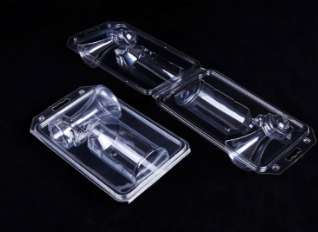
In today's competitive retail environment, product packaging serves as more than just protection—it acts as a silent salesperson that communicates brand values and influences purchasing decisions. Blister packaging has emerged as one of the most effective packaging solutions for enhancing shelf appeal while providing superior product visibility and protection. This transparent packaging format allows consumers to see exactly what they're purchasing, creating an immediate connection between the product and the buyer that can significantly impact sales performance.
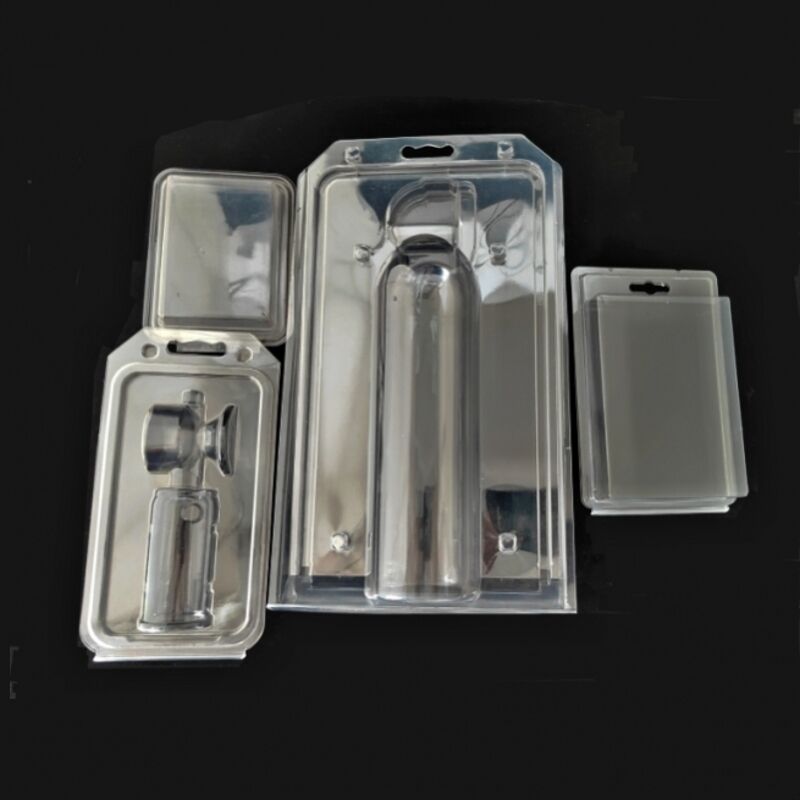
The visual impact of well-designed blister packaging cannot be overstated in modern retail environments. When products compete for attention on crowded shelves, clear visibility becomes a crucial differentiator that can make or break a purchase decision. This packaging approach combines functionality with marketing appeal, creating opportunities for brands to showcase their products while maintaining the protective qualities essential for product integrity.
Visual Impact and Consumer Psychology
Transparency Creates Trust
The transparent nature of blister packaging builds immediate consumer confidence by allowing complete product inspection before purchase. This visibility eliminates the guesswork that often accompanies opaque packaging, reducing purchase hesitation and increasing conversion rates. When customers can examine product quality, color, and condition through clear plastic housing, they develop greater trust in the brand and feel more confident about their purchasing decision.
Research in consumer behavior consistently shows that transparency in packaging correlates with perceived product quality and brand trustworthiness. The ability to see the actual product creates an emotional connection that photographs or descriptions on traditional packaging cannot replicate. This direct visual access helps consumers make informed decisions while reducing the likelihood of returns due to unmet expectations.
Enhanced Product Presentation
Professional blister packaging elevates product presentation through strategic design elements that highlight key features and benefits. The clear plastic shell can be molded to complement product contours, creating an attractive display that emphasizes product aesthetics while maintaining structural integrity. This custom-fit approach ensures products remain securely positioned and properly showcased throughout the distribution chain.
The backing material provides additional opportunities for brand messaging, product information, and visual appeal through high-quality graphics and typography. This combination of transparent front protection with customizable backing creates a comprehensive marketing platform that communicates brand values while protecting product integrity. The result is packaging that serves dual purposes as both protective housing and marketing tool.
Brand Recognition and Marketing Advantages
Consistent Brand Experience
Effective blister packaging design creates consistent brand experiences across product lines and retail environments. The backing card provides ample space for brand logos, color schemes, and messaging that reinforce brand identity while the transparent shell maintains product visibility. This consistency helps build brand recognition over time as consumers associate specific packaging aesthetics with particular brands and quality levels.
The versatility of blister packaging allows brands to maintain visual consistency while adapting to different product sizes and shapes. Whether packaging small electronics, hardware items, or consumer goods, the same design principles and brand elements can be applied across diverse product categories. This scalability ensures brand recognition remains strong regardless of product variety or market segment.
Competitive Differentiation
In crowded retail environments, distinctive blister packaging helps products stand out from competitors using traditional packaging methods. The three-dimensional presentation created by formed plastic shells adds visual depth and interest that flat packages cannot achieve. This dimensional quality draws consumer attention and creates memorable impressions that contribute to brand recall and repeat purchases.
Custom molding capabilities allow brands to create unique packaging shapes that reflect product characteristics or brand personality. These distinctive forms become associated with specific brands, creating proprietary packaging designs that competitors cannot easily replicate. The investment in custom tooling for unique blister packaging often pays dividends through improved brand recognition and market differentiation.
Practical Benefits for Retailers and Consumers
Theft Reduction and Security
The sealed nature of blister packaging provides excellent theft deterrence through tamper-evident features and difficult removal processes. The combination of heat-sealed edges and sturdy backing materials makes unauthorized access immediately apparent while requiring tools or significant effort to breach. This security aspect reduces inventory shrinkage for retailers while ensuring consumers receive unopened, authentic products.
Many blister packaging designs incorporate additional security features such as perforated tear strips, sealed corners, or reinforced attachment points that further complicate theft attempts. These security measures protect both high-value items and smaller products that might otherwise be targets for shoplifting. The visible security features also communicate quality and authenticity to consumers, reinforcing brand trust and value perception.
Inventory Management Efficiency
Standardized blister packaging dimensions facilitate efficient inventory management and retail display systems. The consistent shapes and sizes allow for automated handling equipment, improved storage density, and streamlined stocking procedures. Retailers benefit from reduced labor costs and improved inventory accuracy when products utilize uniform packaging formats that integrate well with existing systems.
The durability of properly designed blister packaging reduces damage during shipping and handling, minimizing inventory losses and customer complaints. The rigid structure protects products from crushing, moisture, and contamination while maintaining product presentation quality throughout the supply chain. This protection translates to reduced waste, improved customer satisfaction, and better profit margins for both manufacturers and retailers.
Design Considerations for Maximum Impact
Material Selection and Sustainability
Modern blister packaging utilizes advanced materials that balance clarity, strength, and environmental considerations. High-quality PVC, PET, and RPET materials provide excellent transparency while offering recyclability options that appeal to environmentally conscious consumers. The selection of appropriate materials depends on product requirements, shelf life expectations, and sustainability goals established by brand management.
Sustainable blister packaging options continue to evolve with bio-based plastics and improved recycling processes that reduce environmental impact without compromising performance. Brands that prioritize sustainability can leverage eco-friendly blister packaging as a competitive advantage while meeting consumer expectations for responsible packaging practices. These environmental considerations increasingly influence purchasing decisions and brand loyalty among conscious consumers.
Ergonomic and Functional Design
Effective blister packaging design considers consumer interaction and ease of use throughout the product lifecycle. Well-designed packages include convenient opening mechanisms, comfortable handling features, and clear usage instructions that enhance the overall consumer experience. These ergonomic considerations contribute to positive brand associations and increase the likelihood of repeat purchases and recommendations.
The functional aspects of blister packaging extend beyond initial purchase to include storage, transport, and disposal considerations. Packages that stack efficiently, resist damage, and facilitate easy disposal create positive impressions that reflect well on brand quality and customer consideration. These seemingly minor details contribute significantly to overall customer satisfaction and brand perception in competitive markets.
Implementation Strategies for Success
Testing and Optimization
Successful blister packaging implementation requires thorough testing of materials, designs, and production processes to ensure optimal performance across all applications. Prototype testing helps identify potential issues with product fit, seal integrity, and visual appeal before committing to full production tooling. This testing phase allows for design refinements that improve both functional performance and aesthetic appeal.
Market testing with focus groups and retail partners provides valuable feedback on consumer acceptance and practical performance in real-world conditions. These insights help optimize packaging designs for maximum shelf appeal and consumer satisfaction while identifying opportunities for cost reduction and process improvement. The investment in comprehensive testing typically results in more successful product launches and higher market acceptance.
Production and Quality Control
Consistent quality in blister packaging production requires precise control of forming temperatures, sealing parameters, and material specifications. Advanced manufacturing equipment and quality control systems ensure each package meets specifications for clarity, strength, and appearance while maintaining production efficiency. Regular quality audits and process monitoring help maintain standards and identify improvement opportunities.
The relationship between packaging suppliers and brand owners plays a crucial role in achieving optimal results from blister packaging programs. Close collaboration ensures packaging designs align with brand objectives while meeting technical requirements for product protection and retail compatibility. This partnership approach facilitates continuous improvement and innovation in packaging solutions that drive market success.
FAQ
What makes blister packaging more effective than traditional packaging for shelf appeal?
Blister packaging provides superior shelf appeal through complete product visibility, three-dimensional presentation, and professional appearance that builds consumer confidence. The transparent shell allows customers to inspect products before purchase while the backing provides space for attractive graphics and brand messaging. This combination creates a more engaging and trustworthy presentation than opaque alternatives.
How does blister packaging contribute to brand recognition?
Blister packaging enhances brand recognition through consistent visual presentation, distinctive design elements, and memorable packaging shapes that become associated with specific brands. The backing material provides ample space for logos, colors, and messaging while the transparent shell creates a premium appearance that reinforces quality perceptions. This combination helps build strong brand associations and customer loyalty over time.
What are the main security benefits of blister packaging?
Blister packaging offers excellent theft deterrence through tamper-evident sealing, difficult removal processes, and visible security features that complicate unauthorized access. The sealed construction makes tampering immediately apparent while requiring tools or significant effort to breach. These security measures protect inventory for retailers while ensuring consumers receive authentic, unopened products.
How does blister packaging support sustainability goals?
Modern blister packaging supports sustainability through recyclable materials like PET and RPET, reduced packaging waste due to precise product fit, and improved protection that minimizes product damage and replacement needs. Many manufacturers now offer bio-based plastic options and design packages for efficient recycling processes. These environmental considerations help brands meet consumer expectations for responsible packaging practices.