
 EN
EN
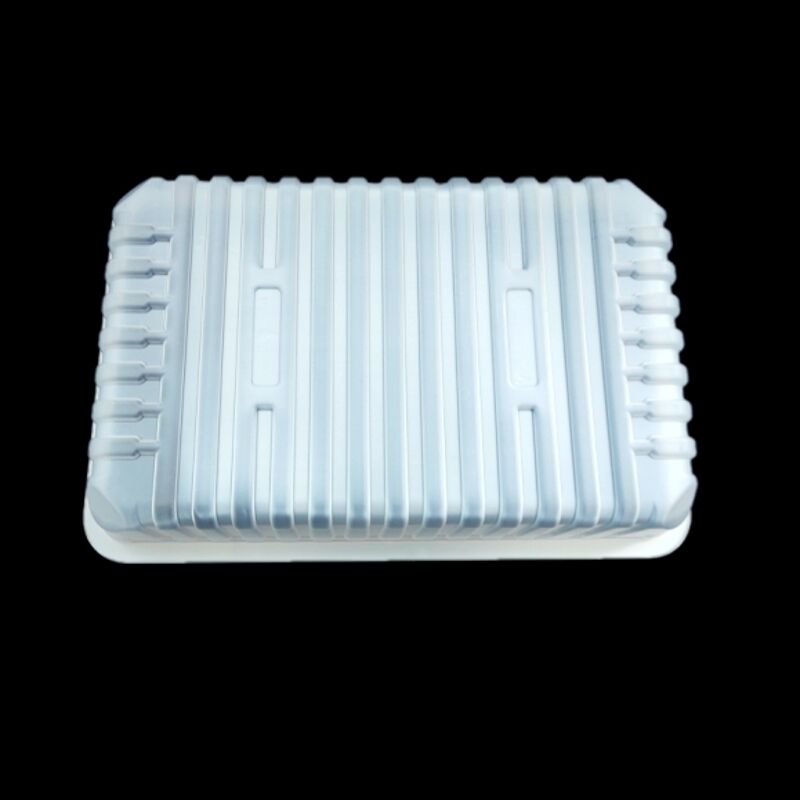
Food safety remains a critical concern across modern supply chains, particularly in the meat industry where contamination risks, temperature fluctuations, and handling inconsistencies can compromise product integrity. The packaging solutions chosen at the processing stage directly influence microbial control, structural stability during transport, and regulatory compliance throughout distribution networks. Among these solutions, the plastic meat tray has emerged as a fundamental component in safeguarding meat products from production facilities to retail display cases, addressing multiple vulnerability points that traditional packaging methods often fail to protect.
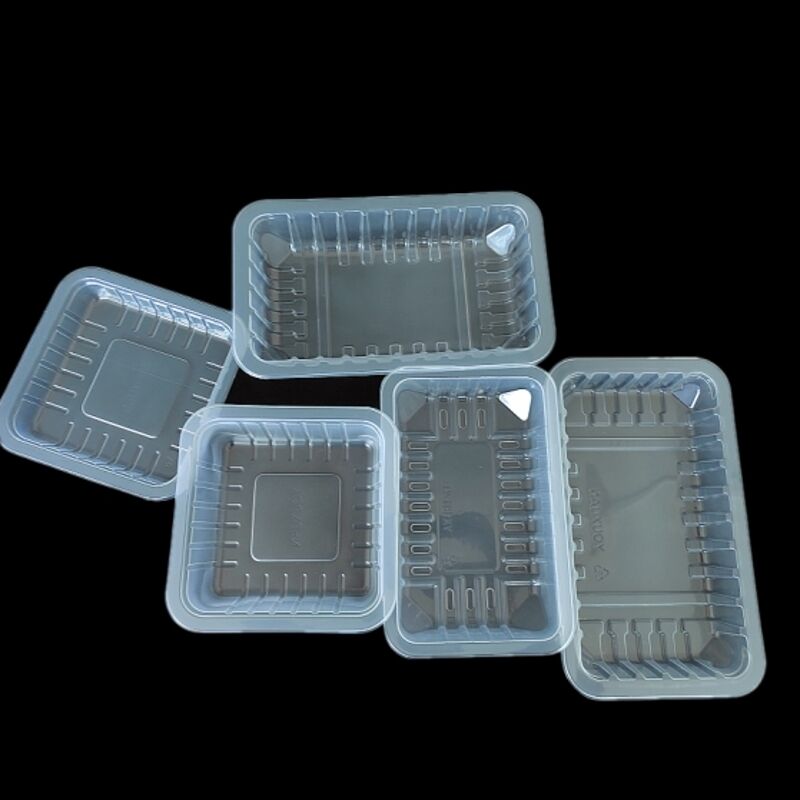
High-quality plastic meat trays function as engineered barriers that prevent cross-contamination, maintain cold chain integrity, and provide structural support during the complex logistics of meat distribution. Their role extends beyond simple containment, serving as active participants in hygiene protocols, traceability systems, and quality assurance frameworks that define safe food handling. Understanding how these trays enhance food safety requires examining their material properties, design characteristics, and integration points within supply chain operations where contamination risks are statistically highest.
Material Engineering and Barrier Protection Mechanisms
Food-Grade Polymer Selection for Contamination Prevention
The foundational safety contribution of a plastic meat tray begins with its material composition, where food-grade polymers such as polyethylene terephthalate, polystyrene, and polypropylene are selected based on their non-reactive properties with meat proteins and fats. These materials undergo rigorous testing to ensure they do not leach harmful substances into food products, meeting international standards including FDA regulations and European Union food contact material directives. The molecular structure of high-quality food-grade plastics creates an impermeable barrier against bacterial migration from external sources, preventing contact contamination during stacking, transport, and storage phases where meat products are most vulnerable.
Material purity standards in premium plastic meat tray manufacturing eliminate additives that could compromise food safety, such as phthalates, bisphenol compounds, or heavy metal-based stabilizers. This chemical inertness ensures that even under refrigerated conditions where moisture accumulates, the tray surface does not become a vector for chemical contamination or undesirable taste transfer. The polymer density also determines oxygen transmission rates, which directly affect oxidative spoilage patterns in fresh meat cuts, making material engineering a critical factor in extending safe shelf life throughout supply chain duration.
Surface Texture Design for Microbial Control
Advanced plastic meat tray designs incorporate specific surface textures that minimize microbial adhesion and facilitate effective cleaning protocols in processing environments. Smooth, non-porous surfaces prevent bacterial colonization in microscopic crevices where traditional materials like cardboard or untreated wood would harbor pathogens such as Salmonella, Listeria monocytogenes, or Escherichia coli. This surface architecture becomes particularly important in multi-use tray systems where sanitation between cycles must achieve commercial sterilization standards without material degradation.
The hydrophobic properties engineered into quality plastic meat tray surfaces reduce moisture retention that would otherwise create breeding grounds for microbial proliferation. During cold storage where condensation naturally occurs, these surfaces allow water droplets to bead and drain rather than forming biofilm-supporting moisture films. This physical characteristic complements chemical sanitation efforts, creating a dual-barrier approach to microbial control that significantly reduces contamination incidents documented in supply chain audits and regulatory inspections.
Structural Integrity Under Temperature Stress
Temperature cycling represents one of the most significant threats to food safety in meat supply chains, and the plastic meat tray must maintain dimensional stability across extreme thermal ranges without warping, cracking, or releasing structural fragments. High-quality trays demonstrate consistent performance from freezing conditions below negative twenty degrees Celsius to brief ambient temperature exposures during loading dock transfers. This thermal resilience prevents micro-fractures that could compromise barrier integrity or create contamination pathways between the external environment and meat surfaces.
Material formulations in premium trays include impact modifiers and thermal stabilizers that preserve structural strength during sudden temperature changes, such as when refrigerated meat enters ambient loading areas or when frozen products undergo thawing protocols. This stability directly enhances food safety by preventing tray failure scenarios where meat products would contact unsanitary surfaces or where packaging breaches would expose products to airborne contaminants. The predictable mechanical behavior of quality plastic meat trays allows logistics managers to maintain safety protocols even under non-ideal handling conditions.
Design Features Supporting Hygiene Protocols
Drainage Architecture for Fluid Management
Integrated drainage channels and raised platform geometries in advanced plastic meat tray designs separate meat products from accumulated purge fluids that contain elevated bacterial loads and enzymatic breakdown products. This spatial separation prevents re-contamination scenarios where microbial populations in exudate would contact meat surfaces during transport vibrations or tilted storage configurations. The drainage architecture functions as a passive safety system requiring no active intervention, continuously protecting product integrity throughout distribution cycles.
Fluid management becomes particularly critical during extended supply chain durations where even properly chilled meat releases cellular fluids through osmotic pressure changes. High-quality plastic meat tray designs calculate optimal drainage volume capacity based on typical purge rates for different meat types, ensuring that fluid accumulation never reaches levels where surface tension effects would cause contact between meat and contaminated liquids. This engineering consideration reflects understanding of real-world supply chain conditions where perfect handling cannot always be guaranteed.
Sidewall Protection and Impact Resistance
Robust sidewall construction in quality plastic meat trays provides mechanical protection against handling impacts that could compromise packaging integrity, creating entry points for external contamination. During warehouse operations, transport loading, and retail stocking, meat packages experience numerous contact events where inadequate tray protection would allow direct impact to meat surfaces or permit packaging film breaches. The impact-absorbing properties of engineered plastic structures dissipate mechanical energy that would otherwise transfer to the product, maintaining the sealed environment essential for contamination control.
The protective function extends to preventing punctures from adjacent packages during high-density stacking configurations common in refrigerated transport and cold storage facilities. Plastic meat tray designs incorporate reinforcement ribs and strategic thickness distributions that balance material efficiency with protective capability, ensuring that even when subjected to typical supply chain stresses, the packaging system remains intact. This mechanical reliability translates directly into reduced contamination incidents and lower spoilage rates across distribution networks.
Standardized Dimensions for Automated Handling
Dimensional consistency in plastic meat tray manufacturing enables automated handling systems that reduce human contact with meat products, minimizing opportunities for cross-contamination through touch contact or handling errors. Standardized footprints allow integration with robotic sorting systems, automated palletizing equipment, and mechanized retail display loading, creating closed handling loops where human intervention occurs only at controlled inspection points. This systematization of material flow represents a significant advancement in supply chain hygiene compared to manual handling methods.
The precision tolerances achievable in plastic meat tray production ensure that each unit performs identically in automated systems, preventing jamming, misalignment, or handling failures that would necessitate manual intervention under potentially unsanitary conditions. This reliability supports just-in-time inventory systems and high-throughput processing operations where interruptions would create temperature excursion risks or force products to remain in transitional zones where contamination probabilities increase.
Integration with Cold Chain Management Systems
Thermal Mass Properties and Temperature Stability
The thermal properties of plastic meat trays contribute to overall cold chain performance by providing consistent thermal mass that moderates temperature fluctuations during brief exposure events. Unlike packaging materials with high thermal conductivity that rapidly transmit ambient heat to meat surfaces, engineered plastics offer controlled insulation properties that extend the safe temperature window during loading dock transfers or temporary refrigeration interruptions. This thermal buffer effect reduces the frequency of temperature abuse incidents that compromise meat safety.
Material selection in quality plastic meat tray production considers specific heat capacity values that optimize thermal performance without adding excessive weight that would reduce transport efficiency. The resulting balance maintains cold chain integrity while supporting economic viability across long-distance distribution networks. Temperature monitoring studies demonstrate that properly designed plastic meat trays can reduce surface temperature rise rates by measurable percentages during controlled exposure scenarios, directly correlating with extended microbial safety margins.
Compatibility with Modified Atmosphere Packaging
High-quality plastic meat trays serve as the rigid foundation for modified atmosphere packaging systems that extend safe shelf life by controlling oxygen levels and inhibiting aerobic spoilage organisms. The tray's dimensional stability under vacuum or pressure conditions maintains consistent headspace volumes essential for atmosphere control efficacy, preventing gas mixture imbalances that would accelerate microbial growth or oxidative deterioration. This structural support function enables advanced preservation technologies that significantly enhance food safety across extended supply chains.
The sealing surface geometry on premium plastic meat trays achieves hermetic seal integrity with barrier films, creating closed systems where atmospheric composition remains stable throughout shelf life. Any imperfection in tray lip flatness or surface finish quality can compromise seal effectiveness, creating leak pathways that nullify preservation benefits and introduce contamination risks. The precision manufacturing standards applied to quality trays ensure consistent sealing performance across production batches, supporting reliable safety outcomes at industrial scale.
Radio Frequency Identification Integration
Modern plastic meat tray designs accommodate embedded radio frequency identification tags that enable real-time tracking and environmental monitoring throughout supply chains, creating comprehensive traceability systems essential for rapid contamination response. When safety incidents occur, RFID-enabled trays allow immediate identification of affected product batches, distribution pathways, and current locations, facilitating targeted recalls that minimize public health exposure. This technological integration transforms passive packaging into active participants in food safety management systems.
Temperature history data logged through RFID systems integrated with plastic meat trays provides verifiable cold chain compliance documentation, supporting regulatory requirements and quality assurance protocols. This data stream enables supply chain managers to identify specific handling points where temperature excursions occur, driving targeted process improvements that enhance overall system safety. The transparency created by tray-level tracking builds consumer confidence and supports premium positioning for brands emphasizing food safety commitments.
Regulatory Compliance and Quality Assurance Frameworks
International Food Contact Material Standards
Compliance with international food contact material regulations represents a non-negotiable requirement for plastic meat trays entering global supply chains, with standards varying across jurisdictions but consistently emphasizing migration testing, toxicological safety, and manufacturing process controls. High-quality tray manufacturers maintain certifications demonstrating compliance with FDA Title 21 CFR regulations in the United States, European Commission Regulation EC 1935/2004 in EU markets, and similar frameworks in Asian and Latin American regions. This regulatory alignment ensures that trays meet baseline safety requirements regardless of distribution geography.
The documentation burden associated with food contact material compliance creates natural quality barriers that distinguish premium plastic meat tray suppliers from low-cost alternatives lacking proper certification. Supply chain managers sourcing packaging materials must verify that suppliers maintain current testing protocols, batch traceability systems, and quality management certifications that demonstrate ongoing compliance rather than one-time approvals. This due diligence directly impacts food safety outcomes by preventing introduction of non-compliant materials into distribution systems.
Sanitation Standard Operating Procedures
The design characteristics of plastic meat trays must support sanitation standard operating procedures mandated by food safety regulations, particularly in processing facilities where trays contact meat products during cutting, weighing, and packaging operations. Smooth surfaces without inaccessible crevices enable effective application of approved sanitizing agents, while chemical resistance prevents degradation that would compromise both tray integrity and sanitation efficacy. Quality trays maintain their cleanability throughout expected service life, supporting consistent hygiene outcomes across thousands of use cycles in commercial operations.
Validation studies required for HACCP plan approval demonstrate that plastic meat trays can achieve defined microbial reduction targets when processed through facility sanitation systems, providing documented evidence that packaging materials do not introduce uncontrolled contamination risks. This validation requirement drives tray design decisions toward features that maximize sanitation effectiveness, such as open drainage geometry that prevents fluid pooling and radius edges that eliminate acute corners where biofilm formation occurs.
Traceability Documentation and Audit Trails
Quality plastic meat tray suppliers implement lot tracking systems that create complete audit trails from raw material sourcing through finished product delivery, supporting supply chain traceability requirements under food safety modernization initiatives. When contamination incidents require investigation, this documentation enables rapid determination of whether packaging materials contributed to safety failures or remained within specification limits. The transparency provided by comprehensive traceability systems protects both meat processors and tray manufacturers from liability exposure while supporting root cause analysis essential for systemic improvement.
Batch-level quality data maintained by premium plastic meat tray manufacturers includes material certifications, dimensional inspection results, and microbiological testing outcomes that demonstrate consistent conformance to specifications. This documentation supports customer quality assurance programs and provides evidence during regulatory audits that packaging materials meet established safety criteria. The administrative rigor required to maintain these systems represents significant investment that differentiates quality-focused suppliers from commodity producers operating without robust quality management frameworks.
Economic Impact of Safety-Enhanced Packaging
Spoilage Reduction and Waste Minimization
The food safety enhancements provided by high-quality plastic meat trays translate directly into measurable economic benefits through reduced spoilage rates and extended saleable shelf life. Industry data indicates that improved packaging can reduce meat spoilage by quantifiable percentages across supply chains, representing substantial value preservation in markets where meat products command premium pricing. The cost differential between standard and high-quality plastic meat trays often represents a fraction of the value protected through spoilage prevention, creating compelling return on investment calculations for supply chain managers focused on total cost of ownership rather than unit packaging costs.
Waste reduction benefits extend beyond direct product loss to encompass avoided costs associated with disposal, regulatory reporting, and brand reputation damage when spoiled products reach consumers. The enhanced barrier properties and structural protection provided by quality trays reduce the frequency of safety-related product withdrawals, protecting brand equity investments that can take years to build but moments to damage. This risk mitigation value becomes particularly significant for companies operating in regulated markets where safety failures trigger mandatory reporting and potential legal liability.
Supply Chain Efficiency and Distribution Flexibility
Reliable performance characteristics of quality plastic meat trays enable supply chain optimization strategies that reduce logistics costs while maintaining safety standards, such as consolidation of distribution centers, extension of transportation routes, and implementation of cross-docking operations that minimize handling steps. The confidence that packaging will maintain integrity throughout extended distribution cycles allows planners to pursue efficiency improvements that would be impractical with less reliable packaging systems. This flexibility creates competitive advantages in markets where distribution costs significantly impact final product pricing.
The standardization enabled by precision-manufactured plastic meat trays supports automation investments that reduce labor costs and improve handling consistency, creating economies of scale that benefit large-volume processors. Automated systems require packaging components that perform reliably without variation, making quality consistency a prerequisite for advanced supply chain technologies. Companies investing in automation must simultaneously invest in packaging materials that support these systems, creating market differentiation between operations using premium versus commodity packaging materials.
Regulatory Compliance Cost Avoidance
The comprehensive safety features of high-quality plastic meat trays reduce the compliance burden and associated costs of meeting food safety regulations, as properly designed packaging systems prevent many contamination scenarios that would otherwise require extensive monitoring and corrective action programs. The documented performance characteristics of certified trays simplify HACCP plan development and validation studies, reducing consulting fees and internal labor costs associated with regulatory compliance. This administrative efficiency represents ongoing value that accumulates across the operational lifespan of supply chain systems.
Audit preparation and regulatory inspection readiness improve significantly when operations utilize packaging materials with complete documentation and proven safety performance, reducing the risk of non-conformance findings that could result in costly corrective action requirements or operational restrictions. The confidence provided by quality packaging components allows compliance teams to focus resources on higher-risk process areas rather than managing packaging-related vulnerabilities. This risk-based resource allocation improves overall safety system effectiveness while controlling compliance expenditures.
FAQ
What specific material properties make plastic meat trays safer than alternative packaging options?
Plastic meat trays manufactured from food-grade polymers provide non-porous, chemically inert surfaces that prevent bacterial adhesion and eliminate absorption of meat fluids that could harbor pathogens. Unlike fibrous materials such as cardboard or pulp-based alternatives, plastic surfaces do not wick moisture into internal structures where microbial populations could proliferate beyond the reach of surface sanitation. The dimensional stability of engineered plastics maintains consistent barrier properties across temperature ranges typical in cold chain logistics, while material formulations meeting international food contact regulations ensure no harmful substance migration occurs during product contact. These combined properties create a packaging system with predictable safety performance that supports regulatory compliance and reduces contamination risks throughout supply chains.
How do plastic meat trays integrate with automated food safety monitoring systems in modern supply chains?
Modern plastic meat trays accommodate embedded sensors and RFID tags that enable real-time monitoring of temperature history, location tracking, and handling conditions throughout distribution networks. This technological integration creates comprehensive data streams that support predictive safety analytics, allowing supply chain managers to identify potential contamination risks before they result in safety failures. The rigid structure of plastic trays provides stable mounting platforms for electronic components while protecting them from moisture and mechanical damage during handling. Integration with blockchain-based traceability systems enables immutable record-keeping that supports regulatory compliance and facilitates rapid response during contamination incidents. This convergence of packaging and information technology represents an evolution in food safety management where passive containers become active participants in safety assurance systems.
What role does tray design play in preventing cross-contamination during multi-product handling operations?
Strategic design features in plastic meat trays create physical barriers that prevent cross-contamination when different meat products are processed or transported in shared environments. Raised sidewalls and protective lips prevent direct contact between adjacent packages during stacking, while drainage architectures ensure that fluids released from one product cannot migrate to contaminate neighboring items. Color-coding systems integrated into tray design enable visual identification that supports allergen control and species separation protocols, reducing handling errors that could cause cross-contamination. The cleanability of properly designed plastic surfaces allows thorough sanitation between product changeovers in processing facilities, maintaining hygiene standards that prevent pathogen transfer across production runs. These design considerations reflect comprehensive understanding of real-world contamination pathways in commercial meat handling operations.
How does the durability of high-quality plastic meat trays contribute to long-term food safety outcomes?
The extended service life of premium plastic meat trays maintains consistent safety performance across thousands of use cycles, eliminating the degradation issues that compromise safety in lower-quality alternatives. Material formulations resistant to stress cracking, chemical attack from cleaning agents, and ultraviolet degradation ensure that barrier properties and structural integrity remain stable throughout operational lifespan. This durability prevents the gradual accumulation of micro-cracks or surface roughness changes that would create bacterial harborage sites or compromise seal integrity in modified atmosphere packaging applications. Supply chain operations benefit from predictable replacement cycles and reduced risk of unexpected packaging failures that could expose products to contamination. The total cost of ownership advantages of durable trays align economic incentives with food safety objectives, encouraging adoption of higher-quality packaging materials that support superior safety outcomes across multi-year operational periods.
Table of Contents
- Material Engineering and Barrier Protection Mechanisms
- Design Features Supporting Hygiene Protocols
- Integration with Cold Chain Management Systems
- Regulatory Compliance and Quality Assurance Frameworks
- Economic Impact of Safety-Enhanced Packaging
-
FAQ
- What specific material properties make plastic meat trays safer than alternative packaging options?
- How do plastic meat trays integrate with automated food safety monitoring systems in modern supply chains?
- What role does tray design play in preventing cross-contamination during multi-product handling operations?
- How does the durability of high-quality plastic meat trays contribute to long-term food safety outcomes?