
 EN
EN
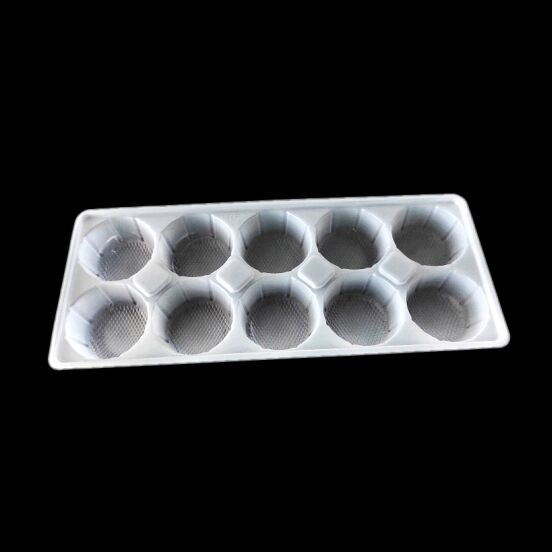
A plastic blister tray serves as a critical protective solution for delicate goods across numerous industries, offering superior cushioning and structural support that traditional packaging methods often cannot match. These specialized trays are engineered to cradle fragile items in precise compartments, preventing movement and collision during transportation and storage. The thermoformed design of a plastic blister tray creates custom-fit cavities that distribute weight evenly, reducing pressure points that could potentially damage sensitive products. Manufacturing companies, electronics producers, and pharmaceutical industries increasingly rely on these protective inserts to maintain product integrity throughout the entire supply chain.
Structural Design Benefits for Delicate Product Protection
Compartmentalized Security Features
The compartmentalized structure of a plastic blister tray provides individual protection zones for each delicate item, eliminating the risk of product-to-product contact during handling and shipping. Each cavity is precisely molded to accommodate specific product dimensions, creating a secure nest that prevents lateral movement and vertical displacement. This design approach significantly reduces the likelihood of scratches, dents, or other surface damage that commonly occurs when products shift within traditional packaging systems. The rigid walls between compartments act as protective barriers, ensuring that even if one item experiences impact, adjacent products remain completely unaffected.
Advanced thermoforming techniques allow manufacturers to create complex geometries within each cavity of a plastic blister tray, incorporating features such as raised edges, stepped platforms, and contoured surfaces that perfectly match product specifications. These customized formations provide multiple contact points that distribute load forces across the entire product surface rather than concentrating stress on vulnerable areas. The precision molding process ensures consistent cavity dimensions throughout production runs, guaranteeing reliable protection performance for every unit packaged within the tray system.

Material Strength and Durability Characteristics
Modern plastic blister tray construction utilizes high-impact polymers that maintain structural integrity under significant mechanical stress, providing long-lasting protection for delicate goods throughout extended storage periods and multiple handling cycles. The molecular structure of these specialized plastics offers excellent resistance to cracking, splitting, and deformation, even when subjected to temperature fluctuations and humidity variations commonly encountered in warehouse and transportation environments. This durability ensures that the protective qualities of the tray remain consistent from initial packaging through final delivery to end customers.
The thickness and density of plastic blister tray materials can be precisely controlled during manufacturing to achieve optimal strength-to-weight ratios for specific application requirements. Thicker sections provide enhanced impact resistance for extremely fragile items, while strategic thinning in non-critical areas reduces overall weight and material costs without compromising protective functionality. This engineering flexibility allows manufacturers to create cost-effective solutions that deliver maximum protection efficiency for their particular product lines and shipping requirements.
Impact Absorption and Shock Distribution Mechanisms
Energy Dissipation Properties
The inherent flexibility of plastic blister tray materials enables effective energy dissipation when external forces are applied during shipping and handling operations. Unlike rigid packaging alternatives, these trays can absorb and redirect impact energy through controlled deformation, preventing the transmission of destructive forces directly to protected products. The polymer chains within the plastic structure stretch and compress under load, converting kinetic energy into harmless heat dissipation that protects delicate items from damage.
Strategic incorporation of flex zones and stress relief features within a plastic blister tray design enhances shock absorption capabilities while maintaining overall structural stability. These engineered weak points allow controlled deformation under extreme conditions, sacrificing the tray itself to preserve the integrity of valuable contents. The predictable failure modes of properly designed plastic materials ensure that protection remains effective even in worst-case scenarios, providing reliable performance across varying transportation conditions and handling practices.
Vibration Dampening Performance
Continuous vibrations encountered during transportation can cause cumulative damage to delicate products through micro-movements and resonant frequency amplification. A well-designed plastic blister tray effectively dampens these vibrations by creating secure contact interfaces that prevent product movement while absorbing vibrational energy through material compliance. The close-fitting cavities eliminate air gaps that would otherwise allow products to oscillate, maintaining stable positioning throughout the entire journey.
The viscoelastic properties of plastic blister tray materials contribute significantly to vibration control by providing frequency-dependent damping characteristics that attenuate harmful oscillations across a broad spectrum. This performance is particularly critical for sensitive electronic components, precision instruments, and fragile consumer goods that may suffer functional degradation from prolonged exposure to transportation vibrations. The tray's ability to isolate products from external motion helps maintain product quality and extends service life for delicate items.
Environmental Protection and Contamination Prevention
Moisture and Humidity Barriers
A properly designed plastic blister tray creates effective moisture barriers that protect delicate goods from humidity-related damage such as corrosion, warping, and degradation of sensitive materials. The non-porous surface of thermoformed plastics prevents water absorption and provides excellent resistance to moisture transmission, maintaining stable environmental conditions within product cavities even when exposed to varying external humidity levels. This protection is essential for electronics, pharmaceuticals, and precision components that require controlled moisture exposure throughout storage and distribution.
Advanced plastic formulations used in modern plastic blister tray manufacturing include moisture-absorbing additives and vapor barrier compounds that actively control humidity levels within packaging environments. These materials can be engineered to maintain specific relative humidity ranges, protecting moisture-sensitive products while preventing the accumulation of condensation that could lead to water damage or contamination. The sealed cavity design ensures that environmental protection remains effective throughout the entire product lifecycle.
Chemical Resistance and Contamination Control
Chemical compatibility between plastic blister tray materials and packaged products is carefully engineered to prevent contamination, degradation, or adverse reactions that could compromise product quality or safety. Food-grade and pharmaceutical-grade polymers meet stringent purity standards, ensuring that no harmful substances leach from the packaging into delicate goods during extended contact periods. This chemical inertness is particularly important for consumable products, medical devices, and sensitive scientific instruments that require contamination-free environments.
The smooth, non-porous surface of a plastic blister tray resists bacterial growth and facilitates easy cleaning and sterilization when required for critical applications. This hygienic performance makes plastic trays ideal for medical device packaging, pharmaceutical products, and food items where contamination control is paramount. The ability to maintain sterile conditions throughout the supply chain ensures that delicate goods reach end users in pristine condition, meeting regulatory requirements and quality standards.
Cost Efficiency and Operational Benefits
Reduced Damage Rates and Claims
Implementation of plastic blister tray packaging systems typically results in significant reductions in product damage rates, leading to decreased warranty claims, customer complaints, and replacement costs. The superior protection provided by precisely molded cavities minimizes the risk of shipping damage that commonly affects delicate goods packaged in generic containers or insufficient protective materials. This damage reduction translates directly into improved profit margins and enhanced customer satisfaction for manufacturers and distributors.
Statistical analysis of shipping performance consistently demonstrates that plastic blister tray systems achieve damage rates of less than one percent compared to five to ten percent damage rates associated with traditional packaging methods for comparable delicate products. This dramatic improvement in protection effectiveness pays for the additional packaging costs many times over through reduced losses and improved customer relationships. The quantifiable benefits make plastic blister tray adoption a sound business investment for companies handling fragile or valuable merchandise.
Automation and Handling Efficiency
The standardized dimensions and consistent geometry of plastic blister tray designs enable seamless integration with automated packaging equipment, robotic handling systems, and conveyor operations. This compatibility reduces labor requirements while improving packaging speed and consistency compared to manual protective packaging methods. The rigid structure of the tray provides reliable pickup points for automated equipment, ensuring smooth operation throughout high-volume production environments.
Stackability features built into plastic blister tray designs optimize warehouse storage efficiency and reduce transportation costs by maximizing container utilization. The interlocking profiles allow secure stacking without crushing lower layers, while maintaining easy access to individual trays during order fulfillment operations. This operational efficiency contributes to overall cost savings that offset the initial investment in specialized packaging tooling and materials.
Industry-Specific Applications and Performance
Electronics and Semiconductor Protection
The electronics industry relies heavily on plastic blister tray solutions to protect sensitive components from electrostatic discharge, mechanical damage, and environmental contamination during manufacturing and distribution processes. Specialized antistatic formulations prevent static buildup that could damage semiconductor devices, while precise cavity dimensions ensure proper component orientation and prevent lead damage during handling. The clean, particles-free environment created by sealed tray systems maintains the purity standards required for electronic assembly operations.
Advanced plastic blister tray designs for electronic components incorporate features such as conductive pathways, grounding points, and static dissipation materials that actively protect sensitive devices throughout the supply chain. These engineered solutions address the unique challenges of electronic component packaging while maintaining the structural protection benefits that prevent physical damage from impacts and vibrations. The combination of electrical and mechanical protection makes plastic trays indispensable for high-value electronic products.
Pharmaceutical and Medical Device Applications
Pharmaceutical companies utilize plastic blister tray systems to maintain sterility, prevent contamination, and ensure dosage accuracy for critical medications and medical devices. The biocompatible materials used in medical-grade plastic blister tray construction meet stringent regulatory requirements while providing the protective performance necessary for sensitive pharmaceutical products. Tamper-evident features and child-resistant designs can be integrated into tray systems to enhance safety and regulatory compliance.
The precise dosing capabilities enabled by plastic blister tray packaging ensure accurate medication delivery while protecting individual doses from environmental degradation and cross-contamination. Each cavity maintains specific volume requirements and provides hermetic sealing capabilities that preserve product potency throughout extended shelf life periods. This level of protection and control is essential for maintaining the therapeutic effectiveness of delicate pharmaceutical compounds and ensuring patient safety.
FAQ
What materials are commonly used in plastic blister tray manufacturing
Plastic blister tray manufacturing typically utilizes thermoplastic materials such as polyethylene terephthalate, polystyrene, polyvinyl chloride, and polypropylene, selected based on specific application requirements including chemical compatibility, temperature resistance, and clarity needs. Each material offers distinct advantages for different product categories, with food-grade and medical-grade formulations available for specialized applications requiring enhanced purity and safety characteristics.
How do plastic blister trays compare to foam packaging alternatives
While foam packaging provides cushioning through compression, plastic blister tray systems offer superior dimensional stability, moisture resistance, and reusability compared to disposable foam alternatives. The rigid structure of plastic trays maintains consistent protection performance throughout multiple use cycles, while foam materials may lose their protective properties after compression. Additionally, plastic blister tray materials are generally more environmentally sustainable through recycling programs and reduced material waste.
Can plastic blister trays be customized for unique product shapes
Yes, plastic blister tray manufacturing processes allow extensive customization to accommodate virtually any product geometry through precision thermoforming techniques and computer-aided design optimization. Custom tooling can create complex cavity shapes, multiple depth levels, and specialized features such as gripping tabs, identification markers, and integrated labeling areas. This flexibility makes plastic trays suitable for protecting products ranging from simple geometric shapes to complex assemblies with irregular contours.
What are the environmental considerations for plastic blister tray usage
Modern plastic blister tray materials are designed for recyclability and often incorporate recycled content to minimize environmental impact while maintaining protective performance. Many manufacturers offer take-back programs for used trays, and the durability of plastic materials enables multiple reuse cycles before recycling. Compared to single-use alternatives, the longevity and reusability of plastic blister tray systems often result in lower overall environmental impact per protected product throughout the packaging lifecycle.