
 EN
EN
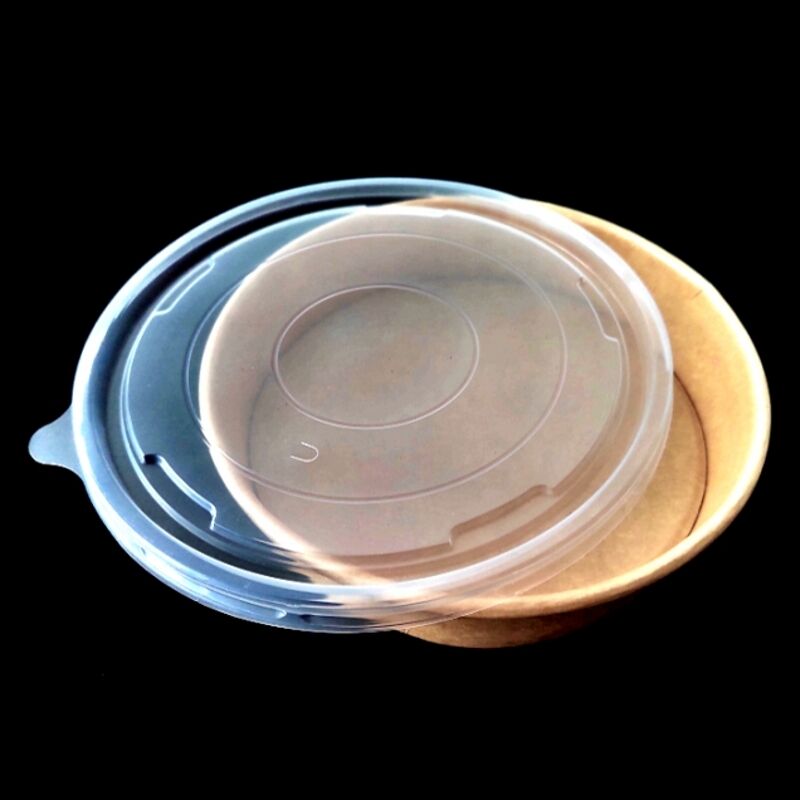
Food packaging technology has revolutionized the way we preserve and consume products, with plastic lid solutions playing a crucial role in extending shelf life across various food categories. Modern consumers demand longer-lasting freshness, reduced waste, and convenient storage options that maintain product integrity from manufacturing to consumption. The implementation of advanced plastic lid systems addresses these requirements while providing cost-effective sealing solutions for manufacturers and retailers alike.
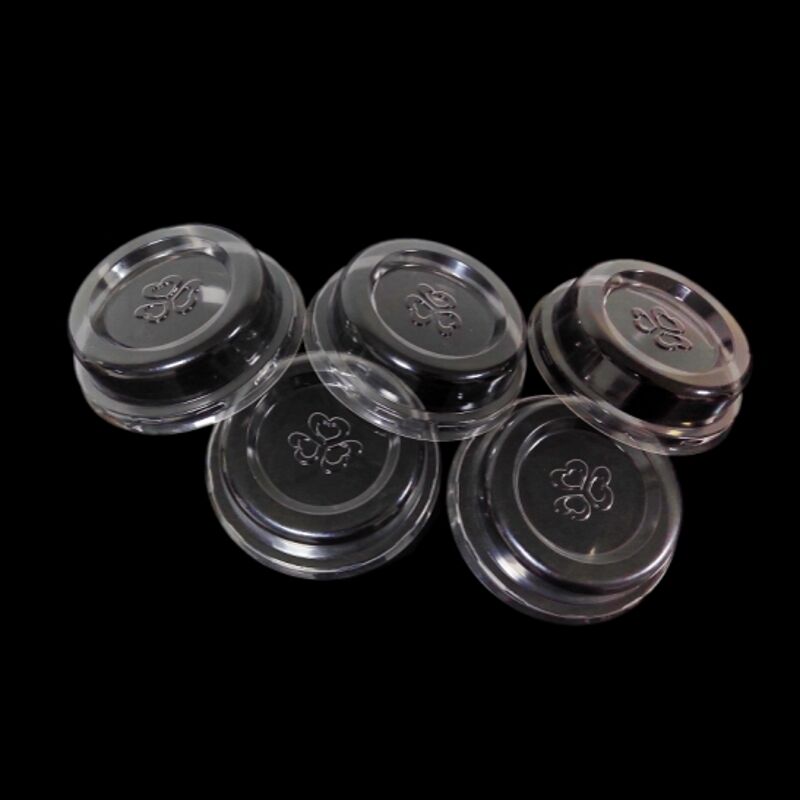
Barrier Protection Mechanisms
Oxygen Barrier Properties
The primary function of any effective plastic lid involves creating an impermeable barrier against oxygen infiltration, which represents the leading cause of food deterioration and rancidity. Advanced polymer formulations incorporate specialized additives that significantly reduce oxygen transmission rates, thereby preventing oxidative reactions that compromise food quality. These enhanced barrier properties ensure that sensitive products maintain their nutritional value and sensory characteristics throughout extended storage periods.
Multi-layer plastic lid construction utilizes different polymer types to optimize oxygen resistance while maintaining structural integrity and cost-effectiveness. The combination of high-density polyethylene outer layers with ethylene vinyl alcohol copolymer barriers creates exceptionally low permeability rates. This sophisticated approach allows manufacturers to achieve shelf life extensions of 200-300% compared to traditional single-layer alternatives.
Moisture Control Systems
Moisture management represents another critical aspect of shelf life preservation, where plastic lid technology excels through precise vapor transmission control. Excessive moisture can promote bacterial growth, mold formation, and texture degradation in various food products. Advanced lid designs incorporate desiccant chambers or moisture-absorbing compounds that actively regulate humidity levels within sealed containers.
The integration of selective permeability features allows beneficial moisture retention while preventing harmful condensation accumulation. This balanced approach proves particularly valuable for products requiring specific humidity ranges, such as baked goods, snack foods, and dried fruits. Manufacturers can customize plastic lid specifications to achieve optimal moisture control for specific product requirements.
Sealing Technology Innovations
Heat Seal Compatibility
Modern plastic lid systems feature enhanced heat seal compatibility that creates hermetic closures resistant to contamination and leakage. The development of specialized sealing compounds ensures consistent adhesion across various container materials while maintaining easy-open functionality for consumers. These advanced sealing properties eliminate micro-gaps that could compromise product integrity over time.
Temperature-controlled sealing processes optimize the bond strength between plastic lid components and container surfaces, creating reliable barriers against external contaminants. The precision of modern heat sealing equipment allows manufacturers to achieve consistent seal quality across high-volume production runs. This reliability directly translates to improved shelf life performance and reduced product returns due to packaging failures.
Tamper Evidence Features
Consumer safety and product authenticity concerns have driven the development of sophisticated tamper-evident plastic lid designs that provide clear visual indicators of package integrity. These security features not only protect against contamination but also reassure consumers about product quality and safety. Advanced tamper-evident mechanisms include breakaway bands, scored sections, and color-changing indicators that activate upon opening attempts.
The integration of tamper evidence with shelf life enhancement creates dual-purpose plastic lid solutions that address both security and preservation requirements. Manufacturers benefit from reduced liability exposure while consumers gain confidence in product integrity. These features prove particularly valuable in pharmaceutical, nutraceutical, and premium food applications where safety and quality assurance are paramount.
Material Science Advancements
Polymer Selection Criteria
The selection of appropriate polymer materials for plastic lid manufacturing involves complex considerations of barrier properties, mechanical strength, temperature resistance, and food contact safety. High-performance plastics such as polyethylene terephthalate, polypropylene, and specialized copolymers offer distinct advantages for different application requirements. Material scientists continuously develop new formulations that improve barrier performance while maintaining cost-effectiveness and processability.
Advanced polymer blending techniques create customized plastic lid materials with optimized property profiles for specific food categories. The incorporation of nano-scale additives enhances barrier performance without compromising mechanical properties or food safety compliance. These innovations enable manufacturers to achieve superior shelf life extension while meeting increasingly stringent regulatory requirements for food contact materials.
Additive Integration Systems
The strategic incorporation of functional additives into plastic lid formulations provides additional preservation benefits beyond basic barrier protection. Antimicrobial agents, antioxidants, and UV stabilizers can be integrated directly into the polymer matrix to provide active protection against specific degradation mechanisms. These active packaging technologies represent the next generation of plastic lid solutions that actively contribute to shelf life extension.
Controlled-release systems allow gradual migration of preservative compounds from the plastic lid into the headspace above food products, creating a protective atmosphere that inhibits spoilage organisms. This approach proves particularly effective for products prone to surface contamination or oxidative deterioration. The precise control of additive release rates ensures optimal protection throughout the intended shelf life period.
Manufacturing Process Optimization
Quality Control Protocols
Rigorous quality control measures during plastic lid production ensure consistent barrier performance and sealing reliability across all manufactured units. Advanced testing protocols evaluate oxygen transmission rates, seal strength, and material integrity using sophisticated analytical equipment. These comprehensive quality assurance programs minimize variability that could compromise shelf life performance in commercial applications.
Statistical process control methods enable manufacturers to identify and correct deviations before they impact product quality. Real-time monitoring of critical parameters such as temperature, pressure, and material flow rates ensures optimal processing conditions throughout production runs. This proactive approach to quality management directly correlates with improved shelf life consistency and customer satisfaction.
Precision Molding Techniques
State-of-the-art injection molding and thermoforming processes create plastic lid components with precise dimensional tolerances and optimal material distribution. Advanced mold designs incorporate features that enhance sealing performance while minimizing material usage and production costs. The precision of modern manufacturing equipment ensures consistent wall thickness and surface finish quality that directly impact barrier performance.
Computer-controlled processing systems optimize cycle times while maintaining strict quality standards for plastic lid production. The integration of automated inspection systems identifies defective units before they enter the supply chain, ensuring that only high-quality components reach end users. This comprehensive approach to manufacturing excellence supports reliable shelf life enhancement across diverse food packaging applications.
Application-Specific Solutions
Dairy Product Preservation
Dairy products present unique challenges for plastic lid technology due to their sensitivity to light, oxygen, and temperature fluctuations. Specialized lid formulations incorporate light-blocking additives and enhanced oxygen barriers to prevent rancidity and off-flavor development in milk, yogurt, and cheese products. The thermal stability of these plastic lid materials ensures consistent performance across refrigerated storage and distribution conditions.
Advanced plastic lid designs for dairy applications often include integrated freshness indicators that provide visual confirmation of product quality throughout the shelf life period. These smart packaging features help retailers and consumers make informed decisions about product freshness while reducing waste due to premature disposal. The combination of barrier protection and intelligent indicators represents a comprehensive approach to dairy product preservation.
Beverage Container Sealing
Beverage packaging requires plastic lid solutions that maintain carbonation levels, prevent flavor loss, and resist pressure variations during storage and transport. Specialized sealing compounds and lid designs create pressure-resistant closures that preserve beverage quality over extended periods. The integration of pressure-relief mechanisms prevents container deformation while maintaining optimal carbonation levels.
Multi-functional plastic lid systems for beverages often incorporate pour spouts, resealable features, and child-resistant mechanisms without compromising barrier performance. These consumer-friendly features enhance product appeal while maintaining the primary function of shelf life extension. The balance between functionality and preservation represents a key design consideration for successful beverage packaging applications.
Environmental Impact Considerations
Sustainable Material Options
The development of environmentally responsible plastic lid solutions addresses growing consumer concerns about packaging sustainability while maintaining superior preservation performance. Bio-based polymers derived from renewable resources offer comparable barrier properties to traditional petroleum-based materials with reduced environmental impact. These sustainable alternatives support corporate sustainability goals while meeting shelf life requirements.
Recyclable plastic lid formulations enable circular economy principles in food packaging applications, reducing waste and resource consumption. Advanced recycling technologies can process these materials into high-quality secondary products, extending their useful life beyond initial packaging applications. The compatibility of sustainable plastic lid materials with existing recycling infrastructure facilitates widespread adoption across the food industry.
Waste Reduction Benefits
Extended shelf life achieved through advanced plastic lid technology directly contributes to food waste reduction throughout the supply chain. Longer preservation periods allow for more efficient distribution, reduced inventory turnover, and decreased product spoilage at retail and consumer levels. These benefits translate to significant economic and environmental advantages for all stakeholders in the food system.
The implementation of effective plastic lid solutions enables manufacturers to expand distribution territories and reduce production frequency while maintaining product quality. This operational efficiency reduces energy consumption, transportation costs, and packaging material usage per unit of food delivered to consumers. The cumulative impact of these improvements supports broader sustainability objectives across the food packaging industry.
Future Technology Trends
Smart Packaging Integration
Emerging technologies integrate sensors and indicators directly into plastic lid structures to provide real-time monitoring of product condition and shelf life status. These intelligent packaging systems can detect temperature abuse, contamination, and quality degradation to alert consumers and supply chain partners about potential issues. The development of cost-effective sensor integration methods makes smart plastic lid technology increasingly viable for mainstream applications.
Wireless communication capabilities in advanced plastic lid designs enable remote monitoring and inventory management throughout the supply chain. These connected packaging solutions provide valuable data about product performance and consumer behavior while maintaining basic preservation functions. The integration of digital technologies with traditional barrier protection creates comprehensive packaging systems that address multiple industry needs simultaneously.
Nanotechnology Applications
Nanotechnology applications in plastic lid manufacturing enable unprecedented control over barrier properties and functional characteristics. Nano-scale additives can provide antimicrobial activity, enhanced barrier performance, and active oxygen scavenging capabilities without significantly impacting material properties or processing requirements. These advanced materials represent the next frontier in packaging technology development.
The incorporation of nano-structured surfaces in plastic lid designs can create self-cleaning properties and enhanced sealing performance through improved surface interactions. These innovations address specific challenges in food packaging while maintaining compatibility with existing manufacturing processes and equipment. The continued development of nanotechnology applications promises further improvements in shelf life enhancement capabilities.
FAQ
How much can a plastic lid extend food shelf life compared to no lid
A well-designed plastic lid can extend food shelf life by 200-500% depending on the product type and storage conditions. For example, opened dairy products might last 3-5 days without proper sealing but can maintain quality for 2-3 weeks with an effective plastic lid system. The exact improvement depends on the specific barrier properties, sealing quality, and food sensitivity to environmental factors.
What makes some plastic lid materials better than others for preservation
Superior plastic lid materials feature lower oxygen and moisture transmission rates, better sealing compatibility, and enhanced chemical resistance. Multi-layer constructions combining different polymer types often outperform single-layer alternatives by providing specialized barrier properties. The selection of appropriate additives and processing techniques also significantly impacts preservation performance and material durability.
Are there food safety considerations with plastic lid materials
All plastic lid materials intended for food contact must comply with FDA regulations and similar international standards for migration limits and chemical composition. Food-grade plastic lid formulations undergo extensive testing to ensure that no harmful substances transfer to food products during normal storage conditions. Manufacturers must provide certificates of compliance and regularly test their products to maintain food safety standards.
Can plastic lid technology work effectively in extreme temperature conditions
Modern plastic lid formulations are engineered to maintain sealing integrity and barrier performance across wide temperature ranges, from deep freeze storage to elevated transport temperatures. Specialized polymer blends and additive systems provide thermal stability while preserving flexibility and sealing properties. However, specific temperature limits depend on the particular material formulation and application requirements, requiring careful selection for extreme condition applications.