
 EN
EN
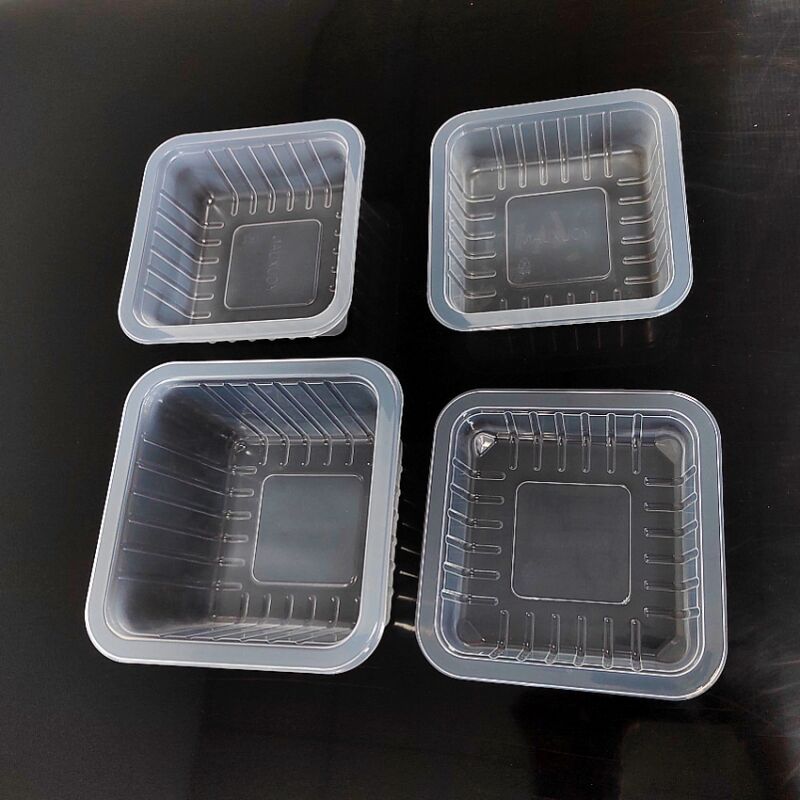
The frozen food industry demands packaging solutions that maintain product integrity while ensuring efficient storage and display. A reliable plastic dumpling tray serves as the foundation for successful frozen dumpling distribution, protecting delicate products from damage while enhancing visual appeal for consumers. These specialized trays must withstand extreme temperature variations, resist cracking, and provide optimal protection throughout the supply chain journey from manufacturer to retail freezer.
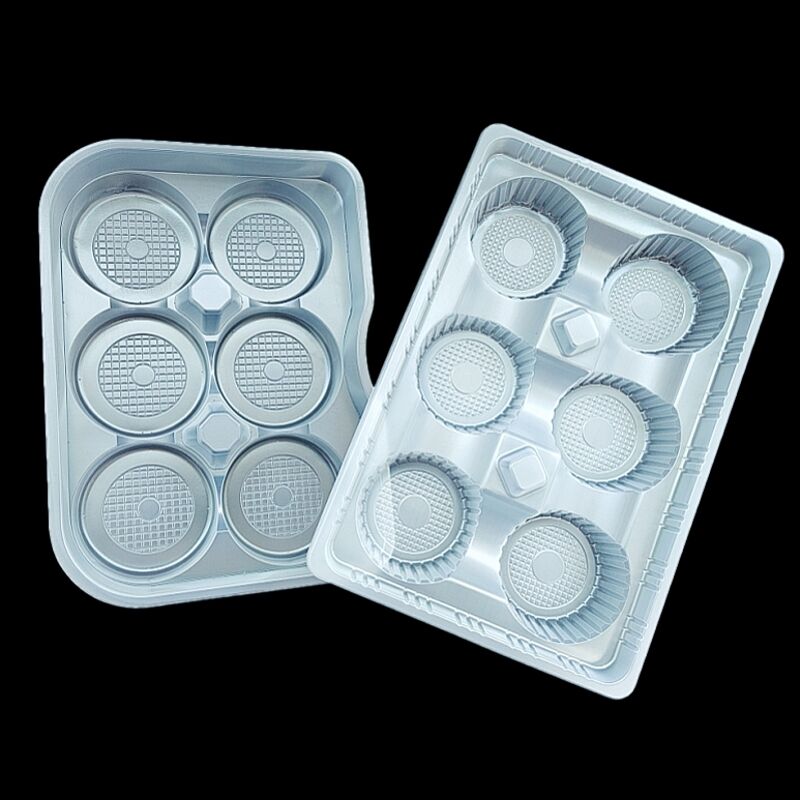
Understanding the critical features that distinguish superior plastic dumpling packaging requires examining both technical specifications and practical applications. Food manufacturers and retailers increasingly recognize that the right tray design directly impacts product quality, shelf life, and customer satisfaction. Modern plastic dumpling tray solutions must balance cost-effectiveness with performance, meeting stringent food safety standards while optimizing space utilization in freezer compartments.
Material Composition and Durability Standards
Food-Grade Plastic Selection
The foundation of any reliable plastic dumpling tray begins with appropriate material selection. High-quality trays utilize food-grade polystyrene or polyethylene terephthalate materials that comply with FDA regulations and international food contact standards. These materials provide excellent barrier properties against moisture, oxygen, and contaminants while maintaining structural integrity at freezing temperatures. Advanced plastic formulations incorporate additives that enhance flexibility and prevent brittleness in sub-zero environments.
Premium plastic dumpling tray manufacturers employ virgin resin materials rather than recycled plastics to ensure consistent quality and eliminate potential contamination risks. The molecular structure of these materials must remain stable across temperature ranges from production facilities through frozen storage and eventual thawing. This stability prevents chemical migration into food products and maintains the tray's protective capabilities throughout its intended lifespan.
Temperature Resistance Properties
Frozen food applications subject packaging to extreme temperature stress, making thermal stability a critical performance factor. A dependable plastic dumpling tray must function effectively from production temperatures around room temperature down to storage temperatures of negative twenty degrees Fahrenheit or lower. The material must resist thermal shock when products move between different temperature zones during distribution and retail handling.
Advanced plastic formulations incorporate impact modifiers and stabilizers that maintain flexibility even at extremely low temperatures. This prevents the common problem of brittle failure that can compromise package integrity and lead to product contamination or loss. Quality manufacturers test their plastic dumpling tray designs through multiple freeze-thaw cycles to verify long-term performance and structural reliability.
Structural Design Elements for Product Protection
Cavity Configuration and Spacing
The internal cavity design of a plastic dumpling tray directly influences product presentation and protection during handling and storage. Optimal cavity spacing prevents individual dumplings from touching while maximizing the number of units per tray. This configuration reduces product deformation and maintains the visual appeal that drives consumer purchasing decisions in retail frozen food sections.
Professional tray designs incorporate slightly tapered cavity walls that facilitate easy product removal while providing secure retention during transport. The depth and shape of each cavity must accommodate natural size variations in dumpling products without creating excessive void space that could lead to product movement and damage. Strategic placement of drainage channels helps manage condensation that may occur during temperature transitions.
Reinforcement Features and Load Distribution
Structural reinforcement elements distinguish professional-grade plastic dumpling tray solutions from basic alternatives. Ribbed undersides and strategically placed support columns distribute weight evenly across the tray surface, preventing sagging or deformation when fully loaded. These reinforcement patterns must not interfere with stacking efficiency or automated packaging equipment operation.
The rim design plays a crucial role in overall tray strength and handling convenience. Reinforced edges provide grip areas for manual handling while adding structural rigidity that prevents flex-related damage. Quality manufacturers optimize rim thickness to balance strength requirements with material cost considerations, ensuring reliable performance without unnecessary expense.
Hygiene and Food Safety Considerations
Surface Texture and Cleaning Requirements
Food safety regulations demand packaging materials that resist bacterial growth and facilitate thorough cleaning when reusable applications require sanitization. The surface finish of a plastic dumpling tray must be smooth enough to prevent microbial harboring while providing sufficient texture for secure product placement. Manufacturers achieve this balance through precise mold surface treatments that create optimal surface characteristics.
Anti-static properties become important in automated packaging environments where dust and contaminant attraction could compromise product quality. Quality plastic formulations include anti-static additives that reduce particle adhesion and simplify cleaning procedures. These features prove especially valuable in high-volume production facilities where maintaining sanitary conditions is critical for food safety compliance.
Barrier Performance Against Contaminants
Effective barrier properties protect dumpling products from external contaminants while preventing moisture loss that could affect texture and quality. A superior plastic dumpling tray incorporates materials with low permeability to water vapor, oxygen, and other gases that could accelerate product deterioration. These barrier characteristics must remain consistent throughout the package's service life.
Advanced tray designs may incorporate specialized coatings or multi-layer constructions that enhance barrier performance without significantly increasing cost. These technologies prove particularly valuable for premium dumpling products with extended shelf life requirements or those containing sensitive ingredients that require additional protection from environmental factors.
Manufacturing Quality Control Standards
Dimensional Accuracy and Consistency
Automated packaging equipment demands precise dimensional consistency across all plastic dumpling tray units to ensure smooth operation and reliable sealing performance. Manufacturing processes must maintain tight tolerances on critical dimensions including overall length, width, height, and cavity specifications. Variations beyond acceptable limits can cause equipment jams, sealing failures, or product placement problems.
Quality control protocols include regular dimensional inspections using calibrated measuring equipment to verify conformance with engineering specifications. Statistical process control methods help identify trends that could indicate tooling wear or process drift before they result in out-of-specification products. This proactive approach minimizes production disruptions and maintains consistent package performance.
Visual Inspection and Defect Prevention
Visual quality standards for plastic dumpling tray products encompass both functional and aesthetic requirements. Functional defects such as cracks, holes, or incomplete cavity formation can compromise product protection and food safety. Aesthetic defects including color variations, surface blemishes, or contamination spots affect consumer perception and brand image for packaged products.
Automated inspection systems utilize advanced optical technology to identify defects that might escape manual inspection in high-volume production environments. These systems can detect subtle variations in wall thickness, surface irregularities, or foreign material contamination that could impact package performance. Rejected units are automatically removed from the production stream to maintain consistent quality standards.
Environmental Impact and Sustainability Features
Recyclability and End-of-Life Considerations
Modern plastic dumpling tray designs increasingly incorporate sustainability considerations to address environmental concerns and regulatory requirements. Material selection prioritizes plastics with established recycling infrastructure and clear identification markings that facilitate proper sorting in waste management systems. Single-polymer constructions simplify recycling processes compared to multi-material laminated alternatives.
Manufacturers are exploring bio-based plastic alternatives derived from renewable resources rather than petroleum feedstocks. These materials can provide similar performance characteristics to conventional plastics while reducing carbon footprint and dependence on fossil fuels. However, adoption requires careful evaluation to ensure food safety compliance and performance equivalency in demanding frozen food applications.
Material Optimization and Waste Reduction
Advanced design optimization techniques help minimize material usage without compromising structural integrity or protective performance. Computer modeling and finite element analysis allow engineers to identify areas where material thickness can be reduced while maintaining essential strength characteristics. These optimizations reduce raw material consumption and associated environmental impacts.
Lightweighting initiatives in plastic dumpling tray design also provide economic benefits through reduced material costs and lower transportation expenses. However, these optimizations must be balanced against performance requirements to ensure package integrity throughout the distribution cycle. Successful implementations require extensive testing to verify that reduced material usage does not compromise critical protective functions.
Cost-Effectiveness and Supply Chain Integration
Production Efficiency Considerations
The economic viability of a plastic dumpling tray solution depends significantly on manufacturing efficiency and equipment utilization rates. Tray designs must be compatible with high-speed thermoforming or injection molding processes that can achieve target production volumes while maintaining quality standards. Cycle time optimization directly impacts per-unit costs and overall profitability for both tray manufacturers and food producers.
Tooling design plays a crucial role in production efficiency and long-term cost management. Multi-cavity molds that produce multiple plastic dumpling tray units per cycle improve throughput but require higher initial investment and more complex quality control procedures. The optimal approach depends on volume requirements, quality specifications, and available manufacturing capabilities.
Inventory Management and Storage Requirements
Efficient supply chain management requires plastic dumpling tray solutions that optimize storage space and handling efficiency. Stackable designs minimize warehouse space requirements while protecting individual trays from damage during storage and transportation. Nesting capabilities allow empty trays to be compacted for efficient return shipments in reusable packaging systems.
Just-in-time delivery capabilities become increasingly important as food manufacturers seek to minimize inventory carrying costs while ensuring reliable package supply. Tray suppliers must maintain adequate production capacity and inventory buffers to support customer demand variations without compromising delivery reliability. This requires sophisticated demand forecasting and production planning systems.
FAQ
What temperature range should a plastic dumpling tray withstand for frozen food applications
A reliable plastic dumpling tray must maintain structural integrity from room temperature during packaging down to negative twenty degrees Fahrenheit or lower during frozen storage and distribution. The material should resist thermal shock when transitioning between temperature zones and remain flexible enough to prevent brittle failure that could compromise package integrity.
How does cavity design affect dumpling product quality during storage
Proper cavity configuration prevents individual dumplings from touching while providing secure retention during transport and handling. Optimal spacing reduces product deformation and maintains visual appeal, while appropriate depth accommodates natural size variations without creating excessive movement space that could lead to damage.
What food safety certifications should plastic dumpling tray materials have
Quality plastic dumpling tray materials must comply with FDA food contact regulations and international standards such as EU food contact materials directives. The plastics should be manufactured from virgin food-grade resins with appropriate migration testing to ensure no harmful substances transfer to food products during storage and handling.
Can plastic dumpling trays be recycled after use
Many plastic dumpling tray products are designed with recyclability in mind, using single-polymer constructions that facilitate processing in existing recycling infrastructure. Proper material identification markings help ensure correct sorting, though recycling availability depends on local waste management capabilities and contamination levels from food residues.