
 EN
EN
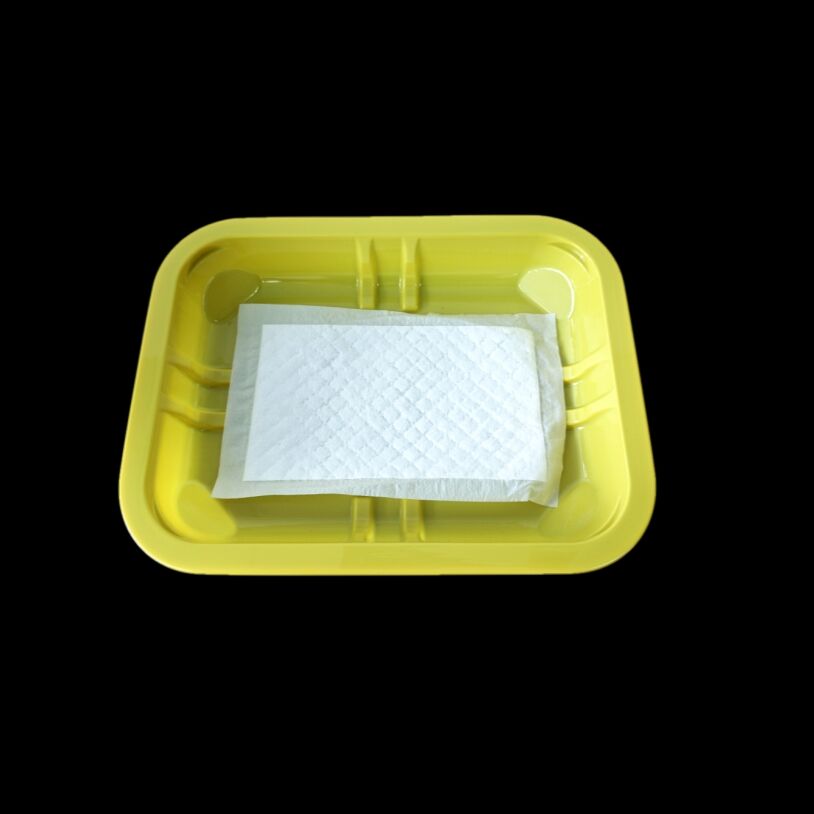
Modern cold chain logistics demands packaging solutions that maintain product integrity while optimizing operational efficiency. The rolled edge meat tray has emerged as a critical component in meat processing and distribution facilities, offering superior performance characteristics that address the unique challenges of temperature-controlled environments. These specialized packaging solutions provide enhanced structural stability and improved handling capabilities throughout the entire cold chain process, from processing facilities to retail display cases.
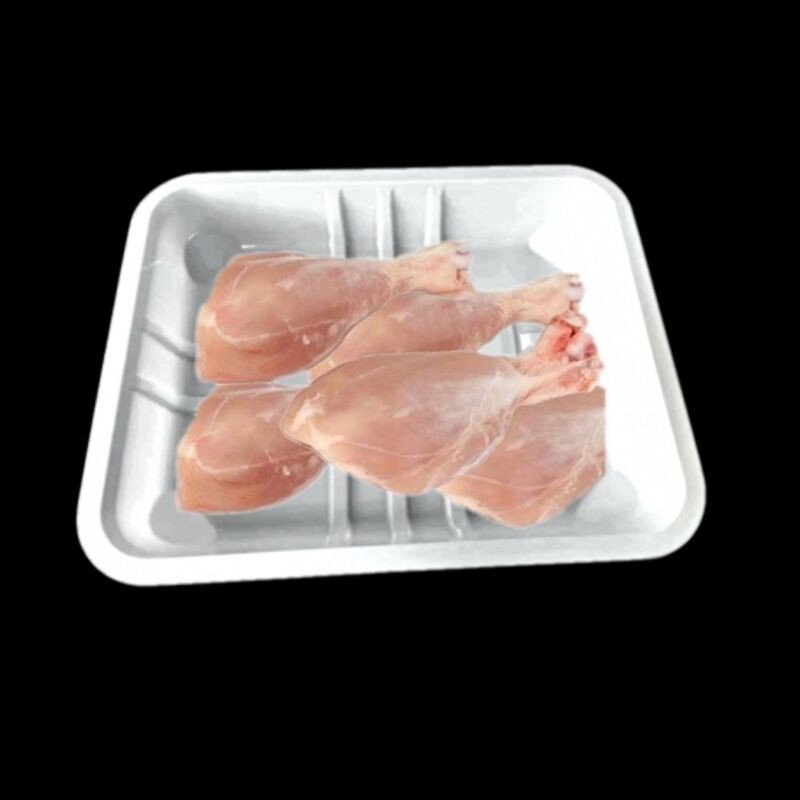
The distinctive design characteristics of rolled edge meat tray systems fundamentally transform how meat products are handled, stored, and transported within controlled temperature environments. Unlike conventional flat-edge alternatives, these trays incorporate sophisticated edge engineering that creates multiple functional advantages. The rolled edge configuration provides enhanced structural integrity that prevents warping and deformation under typical cold storage conditions, ensuring consistent product presentation and protection throughout extended storage periods.
Professional meat processors recognize that effective packaging directly impacts product quality retention and operational cost management. The rolled edge meat tray design addresses critical performance requirements including moisture management, structural durability, and handling efficiency. These factors become increasingly important as supply chains extend globally and consumer expectations for product quality continue to rise.
Enhanced Structural Performance in Cold Storage Environments
Superior Durability Under Temperature Fluctuations
Temperature variations within cold chain facilities can cause significant stress on packaging materials, leading to structural failures that compromise product integrity. The rolled edge meat tray design incorporates advanced materials engineering that maintains dimensional stability across typical temperature ranges encountered in meat processing and storage facilities. The rolled edge configuration distributes thermal stress more effectively than flat designs, reducing the likelihood of cracking or warping that can occur during temperature transitions.
Research conducted by packaging engineers demonstrates that rolled edge designs exhibit superior resistance to thermal cycling compared to conventional alternatives. This enhanced durability translates to reduced product loss, improved presentation quality, and decreased replacement costs for processing facilities. The structural benefits become particularly pronounced during transportation phases where temperature control may experience temporary fluctuations.
Improved Load-Bearing Capacity
The engineering principles behind rolled edge meat tray construction create significantly improved load-bearing characteristics essential for efficient cold storage operations. The rolled edge acts as a reinforcement beam, distributing weight more evenly across the tray structure and enabling higher stacking densities without compromising product integrity. This design advantage allows facilities to maximize storage capacity within refrigerated spaces while maintaining product quality standards.
Industrial testing reveals that rolled edge configurations can support up to thirty percent more weight compared to flat-edge alternatives without structural deformation. This enhanced capacity directly impacts operational efficiency by enabling more products per storage unit and reducing the frequency of handling operations required during inventory management processes.
Moisture Management and Product Quality Protection
Advanced Drainage System Integration
Effective moisture control represents a critical factor in maintaining meat product quality throughout cold chain operations. The rolled edge meat tray incorporates sophisticated drainage channels that facilitate optimal moisture removal while preventing bacterial growth conditions. The rolled edge design creates natural pathways for excess liquids to drain away from products, maintaining ideal surface conditions that extend shelf life and preserve product appearance.
The integrated drainage system works synergistically with cold storage environmental controls to create optimal preservation conditions. Unlike flat designs that may allow moisture accumulation in corners or edges, rolled edge configurations promote continuous airflow and moisture evacuation. This design feature proves particularly valuable during extended storage periods where moisture accumulation could otherwise compromise product quality or create unsafe conditions.
Contamination Prevention Mechanisms
Food safety protocols in meat processing facilities require packaging solutions that actively prevent cross-contamination while maintaining product freshness. The rolled edge meat tray design incorporates multiple contamination prevention features that exceed standard industry requirements. The smooth, curved edge profile eliminates sharp corners where bacteria could potentially accumulate, while the enhanced structural integrity prevents micro-cracks that might harbor contaminants.
The seamless edge construction facilitates thorough cleaning and sanitization procedures, enabling processing facilities to maintain rigorous hygiene standards. This design characteristic proves essential for facilities operating under strict regulatory oversight where contamination prevention directly impacts operational licensing and consumer safety compliance.
Operational Efficiency and Cost Management Benefits
Streamlined Handling and Processing Operations
Modern meat processing facilities prioritize operational efficiency to maintain competitive advantage in increasingly demanding markets. The rolled edge meat tray design facilitates streamlined handling operations through improved grip characteristics and reduced handling complexity. Workers can manipulate loaded trays more safely and efficiently, reducing the risk of workplace injuries while maintaining productivity standards.
The enhanced structural stability of rolled edge designs enables automated handling systems to operate more reliably, reducing equipment wear and minimizing maintenance requirements. Processing facilities utilizing automated sorting and packaging systems report significant improvements in operational continuity when implementing rolled edge meat tray solutions compared to conventional alternatives.
Supply Chain Cost Optimization
Total cost of ownership analysis reveals multiple areas where rolled edge meat tray implementations generate measurable cost savings throughout cold chain operations. The enhanced durability characteristics reduce replacement frequency, while improved stacking efficiency maximizes transportation and storage capacity utilization. These factors combine to create substantial cost reductions that improve overall supply chain profitability.
Distribution centers report reduced handling labor requirements when processing rolled edge meat tray shipments due to improved structural integrity and handling characteristics. The consistent performance of these trays across varying environmental conditions eliminates many of the quality control issues that can disrupt distribution schedules and increase operational costs.
Environmental Impact and Sustainability Considerations
Material Efficiency and Waste Reduction
Sustainability initiatives within the meat processing industry increasingly focus on packaging solutions that minimize environmental impact while maintaining performance standards. The rolled edge meat tray design incorporates advanced materials engineering that optimizes material usage without compromising functionality. The enhanced structural efficiency allows manufacturers to utilize less raw material per tray while achieving superior performance characteristics.
The extended service life of rolled edge meat tray products directly contributes to waste reduction goals by decreasing replacement frequency and associated disposal requirements. Processing facilities implementing these solutions report measurable reductions in packaging waste generation while maintaining or improving product protection standards.
Recycling and End-of-Life Management
Modern rolled edge meat tray designs incorporate materials and construction methods that facilitate efficient recycling and end-of-life processing. The uniform material composition and simplified construction enable more effective separation and processing within existing recycling infrastructure. This design consideration supports corporate sustainability initiatives while reducing long-term environmental impact.
The improved durability characteristics of rolled edge meat tray solutions enable extended service cycles that maximize resource utilization before end-of-life processing becomes necessary. This extended utility directly supports circular economy principles by maximizing value extraction from material resources throughout the product lifecycle.
Industry Applications and Market Adoption
Large-Scale Processing Facility Implementation
Major meat processing operations have increasingly adopted rolled edge meat tray solutions to address scalability challenges associated with high-volume production environments. These facilities require packaging solutions that maintain consistent performance characteristics across millions of units while supporting automated processing systems. The rolled edge design provides the reliability and consistency necessary for large-scale operations.
Implementation case studies from leading processing facilities demonstrate measurable improvements in operational efficiency and product quality retention following rolled edge meat tray adoption. These improvements translate to enhanced market competitiveness and improved customer satisfaction ratings across diverse market segments.
Retail Distribution and Display Applications
Retail environments present unique challenges for meat packaging systems, including varying display conditions and consumer handling requirements. The rolled edge meat tray design addresses these challenges through enhanced presentation characteristics and improved structural integrity that maintains product appeal throughout the retail cycle. The professional appearance and consistent performance support premium product positioning strategies.
Retail partners report improved customer satisfaction and reduced product loss when utilizing rolled edge meat tray systems compared to conventional alternatives. The enhanced visual appeal and improved product protection contribute to increased sales performance while supporting brand differentiation strategies in competitive market segments.
FAQ
How does rolled edge meat tray design improve cold storage efficiency
The rolled edge meat tray design enhances cold storage efficiency through superior structural integrity that enables higher stacking densities and improved space utilization. The reinforced edge construction prevents deformation under typical storage conditions, allowing facilities to maximize storage capacity while maintaining product quality. Additionally, the enhanced drainage characteristics prevent moisture accumulation that could compromise temperature control systems or product integrity.
What cost savings can facilities expect from implementing rolled edge meat tray systems
Facilities typically experience cost savings in multiple areas including reduced replacement frequency due to enhanced durability, improved labor efficiency through streamlined handling characteristics, and maximized storage and transportation capacity utilization. Industry reports indicate total cost reductions ranging from fifteen to twenty-five percent compared to conventional flat-edge alternatives, with specific savings varying based on operational scale and implementation scope.
Are rolled edge meat tray products compatible with existing processing equipment
Most rolled edge meat tray designs maintain standard dimensional specifications that ensure compatibility with existing processing, handling, and display equipment. The enhanced structural characteristics actually improve equipment performance in many cases by reducing jamming incidents and maintenance requirements. Facilities considering implementation should verify specific dimensional requirements with equipment manufacturers to ensure optimal compatibility.
How do rolled edge meat tray solutions support food safety compliance requirements
The rolled edge meat tray design incorporates multiple food safety features including smooth, seamless construction that eliminates bacterial accumulation points, enhanced drainage systems that prevent moisture-related contamination risks, and improved structural integrity that prevents micro-cracks where contaminants might harbor. These design characteristics support compliance with industry regulations while exceeding standard food safety requirements for meat processing and distribution facilities.
Table of Contents
- Enhanced Structural Performance in Cold Storage Environments
- Moisture Management and Product Quality Protection
- Operational Efficiency and Cost Management Benefits
- Environmental Impact and Sustainability Considerations
- Industry Applications and Market Adoption
-
FAQ
- How does rolled edge meat tray design improve cold storage efficiency
- What cost savings can facilities expect from implementing rolled edge meat tray systems
- Are rolled edge meat tray products compatible with existing processing equipment
- How do rolled edge meat tray solutions support food safety compliance requirements