
 EN
EN

Store shelf contamination poses significant risks to food safety and consumer health, making protective packaging solutions essential for modern retail environments. A plastic lid serves as a critical barrier against airborne particles, dust, moisture, and potential contaminants that could compromise product integrity during storage and display. These protective covers have become increasingly important as retailers recognize the need for enhanced hygiene standards and extended product shelf life in competitive market conditions.
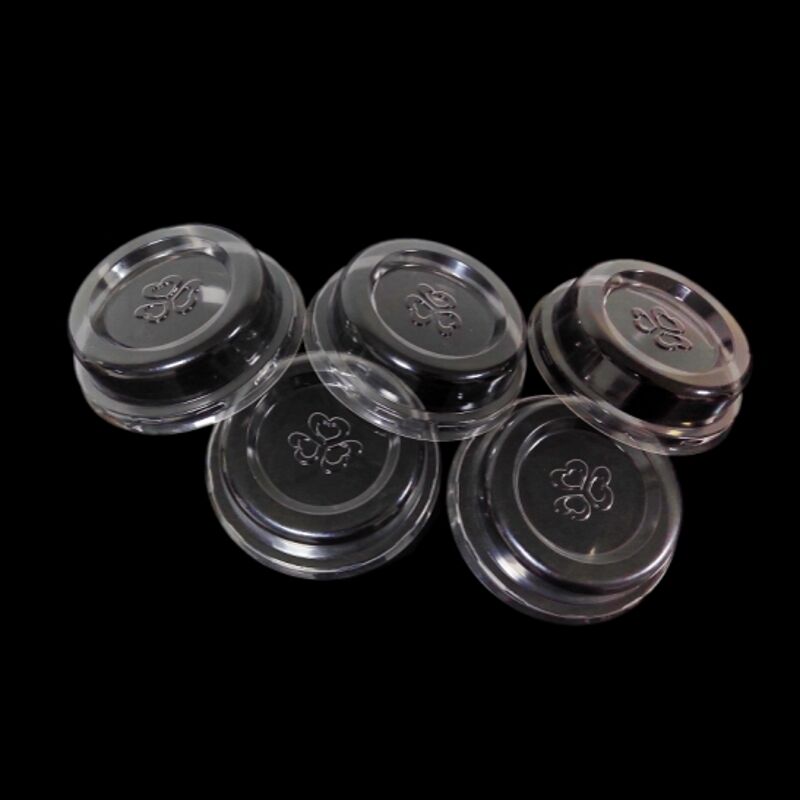
Understanding how contamination occurs on retail shelves helps explain why protective solutions like plastic lid systems are fundamental to maintaining product quality. Environmental factors including temperature fluctuations, humidity changes, and exposure to handling during restocking create multiple contamination pathways that can affect unsealed products.
Understanding Contamination Sources in Retail Environments
Airborne Contaminants and Particulate Matter
Retail environments constantly circulate airborne particles that can settle on exposed products, creating contamination risks that affect both safety and appearance. A plastic lid creates an effective barrier against dust, pollen, and microscopic debris that naturally accumulate in store atmospheres. These particles can carry bacteria, allergens, and chemical residues from cleaning products or other store operations.
The sealed environment created by a properly fitted plastic lid prevents particulate accumulation while maintaining product visibility for consumers. This protection is particularly crucial for food items displayed in open refrigerated cases or ambient temperature shelving units where air circulation is constant. Store ventilation systems, while necessary for climate control, can inadvertently distribute contaminants throughout retail spaces.
Human Contact and Handling Contamination
Customer handling represents one of the most significant contamination vectors in retail settings, as shoppers frequently touch, examine, and return products to shelves. A plastic lid minimizes direct contact with the actual product surface while still allowing visual inspection and purchasing decisions. This barrier protection reduces cross-contamination between different customers and limits the transfer of oils, bacteria, and other substances from hands to products.
Staff handling during restocking, cleaning, and inventory management also introduces potential contamination risks that can be mitigated through appropriate lid solutions. The protective barrier ensures that even when products are moved, rotated, or reorganized, the contents remain isolated from external contamination sources. This protection becomes especially important during peak shopping periods when products experience increased handling frequency.
Barrier Protection Mechanisms of Plastic Lid Systems
Physical Barrier Properties
The fundamental protection offered by a plastic lid stems from its ability to create a complete physical barrier between the product and external environment. This barrier prevents direct contact with contaminants while maintaining structural integrity under normal handling conditions. Modern plastic lid designs incorporate features like secure-fit edges and tamper-evident seals that enhance protection effectiveness.
Material selection plays a crucial role in barrier performance, with food-grade plastics offering chemical resistance and non-reactive properties that prevent contamination transfer. The smooth, non-porous surface of a quality plastic lid resists bacterial adhesion and can be easily sanitized when necessary. These properties ensure that the protective barrier itself does not become a contamination source over time.
Moisture and Humidity Control
Moisture control represents another critical function of plastic lid systems, as excess humidity can promote bacterial growth and product degradation. The sealed environment created by a plastic lid helps maintain optimal moisture levels around the product while preventing condensation from external sources. This control is particularly important for products sensitive to humidity fluctuations.
Condensation prevention is especially valuable in refrigerated display cases where temperature differentials can create water droplets that compromise product quality and safety. A properly designed plastic lid prevents this moisture accumulation while maintaining the visual appeal necessary for successful retail presentation. The moisture barrier also protects against spills from adjacent products or cleaning activities that could otherwise contaminate exposed items.
Material Science and Safety Standards
Food-Grade Plastic Specifications
Food-grade plastic lid materials must meet stringent safety standards to ensure they do not introduce harmful chemicals or compounds into the protected environment. These specifications include requirements for migration limits, chemical resistance, and temperature stability that guarantee consumer safety. Regulatory compliance ensures that the plastic lid provides protection without creating additional health risks.
Material testing protocols verify that plastic lid components remain stable under various storage conditions and do not react with different food types or packaging materials. This stability is crucial for maintaining the protective function over extended shelf life periods. Quality assurance procedures include testing for volatile organic compounds, heavy metals, and other potentially harmful substances that could compromise product safety.
Durability and Performance Standards
The effectiveness of a plastic lid depends on its ability to maintain structural integrity and sealing properties throughout its intended use period. Performance standards address factors like impact resistance, temperature cycling, and mechanical stress that products may encounter during distribution and retail display. These standards ensure consistent protection performance across different operating environments.
Long-term durability testing evaluates how plastic lid materials respond to repeated handling, temperature changes, and exposure to cleaning chemicals commonly used in retail environments. This testing confirms that the protective barrier remains effective over time without degrading or compromising product safety. Failure analysis helps identify potential weak points and drive improvements in design and material selection.
Implementation Strategies for Retail Applications
Product Category Considerations
Different product categories require specific approaches to plastic lid implementation based on their contamination sensitivity and consumer interaction patterns. Fresh foods, beverages, and prepared items typically need immediate barrier protection due to their perishable nature and high contamination risk. A plastic lid solution must be tailored to each category's unique requirements while maintaining cost-effectiveness.
Non-food items may require plastic lid protection for different reasons, such as preventing dust accumulation on electronics or protecting cosmetic products from environmental exposure. Understanding these category-specific needs helps retailers implement appropriate protection strategies that balance contamination prevention with operational efficiency. Product turnover rates also influence lid selection, with high-volume items needing more robust protection systems.
Store Layout and Display Optimization
Effective plastic lid implementation requires consideration of store layout factors including traffic patterns, display heights, and accessibility requirements. High-traffic areas typically need enhanced protection due to increased handling and environmental exposure. The placement of plastic lid protected products should facilitate easy customer access while maintaining protection integrity.
Display design integration ensures that plastic lid systems complement overall store aesthetics while providing necessary protection. This balance helps maintain visual merchandising appeal while addressing contamination concerns. Strategic placement of protected products can also influence consumer perception of quality and freshness, potentially driving sales while ensuring safety.
Economic Benefits and Cost Considerations
Waste Reduction and Loss Prevention
The contamination prevention provided by a plastic lid directly translates to reduced product waste and lower loss rates for retailers. Protected products maintain quality longer, reducing the frequency of disposal due to contamination or appearance degradation. This waste reduction represents significant cost savings, particularly for perishable items with higher profit margins.
Loss prevention extends beyond direct product waste to include reduced cleaning costs, fewer customer complaints, and lower liability risks associated with contaminated products. The plastic lid serves as an insurance policy against contamination-related losses while supporting sustainable business practices through waste reduction. These economic benefits often justify the investment in protective packaging solutions.
Brand Protection and Consumer Confidence
Consumer perception of product quality and safety significantly influences purchasing decisions and brand loyalty. A plastic lid demonstrates retailer commitment to hygiene and quality maintenance, building consumer confidence in product safety. This visible protection can differentiate products and brands in competitive retail environments.
Brand protection extends to liability reduction, as proper contamination prevention helps prevent foodborne illness claims and associated legal costs. The investment in plastic lid protection systems supports risk management strategies while enhancing brand reputation. Consumer trust built through visible safety measures often translates to increased sales and customer retention.
Future Developments and Industry Trends
Sustainable Material Innovations
Environmental sustainability drives innovation in plastic lid materials, with biodegradable and recyclable options becoming increasingly available. These developments address environmental concerns while maintaining the protective functions necessary for contamination prevention. Sustainable materials must meet the same safety and performance standards as traditional plastics while offering improved environmental profiles.
Life cycle analysis of plastic lid systems helps retailers make informed decisions about environmental impact while maintaining food safety standards. Innovation in material science continues to develop options that balance protection effectiveness with environmental responsibility. These advances support corporate sustainability goals while ensuring continued contamination prevention capabilities.
Smart Technology Integration
Emerging technologies are being integrated into plastic lid systems to provide enhanced monitoring and contamination detection capabilities. Smart sensors can detect temperature changes, humidity levels, or contamination indicators that signal when products may be compromised. These technological advances extend the protective capabilities of traditional plastic lid systems.
Digital integration allows real-time monitoring of product conditions and can alert retailers to potential contamination risks before they affect product safety. This proactive approach to contamination prevention represents the future of retail product protection. Technology-enhanced plastic lid systems provide data-driven insights that support improved inventory management and quality control processes.
FAQ
How effective is a plastic lid at preventing bacterial contamination
A plastic lid provides highly effective bacterial contamination prevention when properly implemented, creating a sealed barrier that prevents direct contact between products and environmental bacteria sources. The non-porous surface of quality plastic materials resists bacterial adhesion and can be easily sanitized to maintain cleanliness. Studies have shown that sealed plastic lid systems can reduce bacterial contamination by up to 95% compared to exposed products.
What types of retail products benefit most from plastic lid protection
Perishable food items, beverages, prepared foods, and products sensitive to environmental contamination benefit most from plastic lid protection. Fresh produce, dairy products, and ready-to-eat items require immediate barrier protection due to their high contamination risk and short shelf life. Non-food items like cosmetics, pharmaceuticals, and electronics also benefit from protection against dust and moisture contamination that can affect quality and performance.
How long does plastic lid protection remain effective
The effectiveness of plastic lid protection depends on material quality, environmental conditions, and handling frequency, but properly manufactured lids typically maintain protective properties for several months under normal retail conditions. Regular inspection for cracks, warping, or seal integrity ensures continued effectiveness. Replacement schedules should be based on product turnover rates and visible signs of wear to maintain optimal contamination prevention.
Can plastic lid systems be customized for specific product requirements
Yes, plastic lid systems can be extensively customized to meet specific product protection requirements including size variations, ventilation features, tamper-evident seals, and specialized materials for different applications. Customization options include color coding for inventory management, transparent materials for product visibility, and specialized sealing mechanisms for different contamination risks. Working with experienced manufacturers ensures that custom plastic lid solutions meet both protection requirements and operational needs.