
 EN
EN
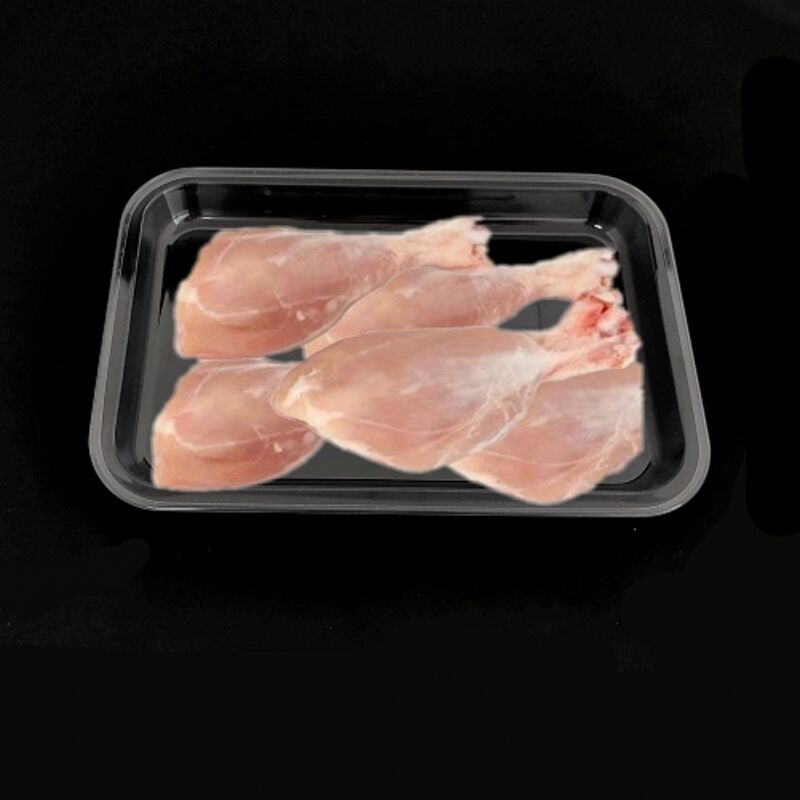
Manufacturing efficiency has become the cornerstone of competitive advantage in today's fast-paced industrial landscape. High-volume packing operations face mounting pressure to reduce costs while maintaining quality standards and meeting tight delivery schedules. Among the most significant challenges plaguing these facilities is excessive labor time spent on packaging tasks that could be streamlined through innovative solutions. Roll over wrap trays represent a revolutionary approach to automated packaging that addresses these critical pain points by dramatically reducing manual handling requirements and optimizing workflow processes.
The integration of roll over wrap trays into high-volume production environments represents more than just equipment acquisition; it signifies a fundamental shift toward lean manufacturing principles. These specialized packaging systems eliminate numerous labor-intensive steps traditionally required in conventional wrapping processes. By automating the critical phases of product positioning, film application, and sealing, facilities can redirect valuable human resources toward higher-value activities while achieving superior packaging consistency.
Understanding Roll Over Wrap Tray Technology
Core Mechanical Principles
Roll over wrap trays operate on sophisticated mechanical principles that transform traditional packaging workflows into streamlined automated processes. The fundamental design incorporates precision-engineered rotating mechanisms that position products optimally for film application while maintaining consistent tension throughout the wrapping cycle. This technological foundation ensures that each package receives uniform coverage without the variations inherent in manual wrapping techniques.
The mechanical components work in synchronized harmony to achieve rapid cycle times without compromising package integrity. Advanced sensor systems monitor product positioning and automatically adjust parameters to accommodate varying product dimensions and weights. This adaptive capability eliminates the need for extensive manual setup procedures that traditionally consume significant labor hours during production changeovers.
Integration With Existing Production Lines
Modern roll over wrap trays feature modular designs that facilitate seamless integration with established production infrastructure. The compatibility with standard conveyor systems and existing quality control checkpoints minimizes disruption during installation phases. This integration capability represents a crucial advantage for facilities operating under continuous production schedules where extended downtime creates substantial financial implications.
Sophisticated control interfaces allow operators to configure multiple packaging parameters through intuitive touchscreen systems. These user-friendly controls reduce training requirements and enable rapid transitions between different product specifications. The result is a packaging solution that adapts to diverse production demands without requiring specialized technical expertise from line operators.
Labor Reduction Mechanisms in High-Volume Operations
Elimination of Manual Positioning Tasks
Traditional packaging processes require workers to manually position products within wrapping stations, a task that becomes increasingly challenging as production volumes escalate. Roll over wrap trays eliminate this labor bottleneck by incorporating automated product handling systems that precisely position items without human intervention. The time savings from removing manual positioning tasks alone can represent 30-40% reduction in per-package labor requirements.
The automated positioning mechanisms maintain consistent product alignment regardless of operator fatigue levels or shift changes. This reliability factor becomes particularly valuable during extended production runs where human performance naturally degrades over time. By maintaining optimal positioning accuracy throughout entire production cycles, these systems ensure packaging quality while minimizing the labor oversight traditionally required to maintain standards.
Streamlined Film Application Processes
Film application represents one of the most labor-intensive aspects of conventional packaging operations, requiring skilled workers to achieve proper tension, coverage, and sealing parameters. Roll over wrap trays revolutionize this process by automating film dispensing, application, and cutting functions through precision-controlled mechanisms. The sophisticated film handling systems eliminate waste while ensuring optimal coverage patterns across diverse product geometries.
Advanced tension control systems automatically adjust film characteristics based on product specifications and environmental conditions. This intelligent adaptation reduces the expertise requirements for operators while maintaining superior package quality. The automated systems can process hundreds of packages per hour with consistent film application standards that exceed manual capabilities.
Productivity Enhancement Through Automated Systems
Cycle Time Optimization
Roll over wrap trays achieve remarkable cycle time reductions by eliminating the variability inherent in manual operations. Automated systems maintain consistent processing speeds regardless of operator skill levels or experience, creating predictable throughput rates that facilitate accurate production planning. The precise timing control enables facilities to optimize downstream operations by providing reliable packaging completion schedules.
The integration of smart sensors and control algorithms enables real-time cycle time optimization based on product characteristics and production requirements. These intelligent systems automatically adjust operating parameters to achieve maximum efficiency while maintaining quality standards. The result is packaging throughput that consistently exceeds manual production capabilities by significant margins.
Quality Consistency and Reduced Rework
Automated roll over wrap trays deliver superior package quality consistency compared to manual processes, significantly reducing rework requirements that consume valuable labor resources. The precision-controlled wrapping parameters eliminate common defects such as uneven film distribution, inadequate sealing, and improper product positioning. This quality improvement translates directly into labor savings by reducing inspection requirements and eliminating corrective actions.
Statistical process control capabilities built into modern roll over wrap trays provide real-time quality monitoring that identifies potential issues before they impact production. This proactive approach prevents quality problems from propagating through production runs, eliminating the substantial labor costs associated with batch rework or product recalls.
Economic Impact Analysis for Manufacturing Facilities
Return on Investment Calculations
The financial benefits of implementing roll over wrap trays extend beyond simple labor cost reductions to encompass comprehensive operational improvements. Detailed ROI analyses typically demonstrate payback periods of 18-24 months through combined savings in labor costs, reduced waste, improved throughput, and enhanced quality metrics. These calculations become particularly compelling for facilities processing thousands of units daily where marginal improvements create substantial cumulative benefits.
Long-term economic advantages include reduced dependency on skilled packaging personnel and improved scalability for future growth initiatives. The automated systems provide consistent performance characteristics that remain stable as production volumes fluctuate, offering predictable cost structures that facilitate accurate financial planning and budgeting processes.
Operational Cost Structure Improvements
Roll over wrap trays fundamentally alter operational cost structures by converting variable labor expenses into fixed equipment costs. This transformation provides greater cost predictability and reduces exposure to labor market fluctuations and wage inflation pressures. The improved cost structure enables more accurate pricing strategies and enhanced competitive positioning in price-sensitive markets.
Energy efficiency improvements inherent in modern roll over wrap trays contribute additional cost savings through reduced utility consumption. The optimized mechanical designs require less power than traditional packaging equipment while delivering superior performance characteristics. These efficiency gains compound over extended operational periods to create substantial cumulative savings.
Implementation Strategies for Maximum Labor Savings
Workforce Transition Planning
Successful implementation of roll over wrap trays requires comprehensive workforce transition strategies that maximize labor savings while maintaining operational continuity. Effective planning involves identifying opportunities to redeploy existing packaging personnel into higher-value roles such as quality assurance, equipment maintenance, or process optimization activities. This strategic approach ensures that labor cost reductions translate into improved overall productivity rather than simple workforce reductions.
Training programs designed to upskill existing employees for automated system operation create additional value by developing internal expertise while reducing external service dependencies. These programs typically focus on system monitoring, basic troubleshooting, and preventive maintenance procedures that enable operators to maximize equipment utilization rates.
Process Optimization Methodologies
Maximizing labor savings from roll over wrap trays requires systematic process optimization approaches that identify and eliminate remaining manual touchpoints. Lean manufacturing principles guide the analysis of material flow patterns, workstation layouts, and operator movements to create streamlined workflows that complement automated packaging capabilities.
Continuous improvement methodologies enable ongoing optimization of roll over wrap trays performance through data-driven analysis of cycle times, quality metrics, and throughput patterns. These systematic approaches identify opportunities for further labor reduction while maintaining or improving overall operational effectiveness.
Technical Specifications and Performance Metrics
Speed and Throughput Capabilities
Modern roll over wrap trays achieve impressive throughput rates that significantly exceed manual packaging capabilities across diverse product categories. Typical systems process 60-120 packages per minute depending on product dimensions and packaging requirements, representing throughput improvements of 300-500% compared to manual operations. These performance levels enable facilities to meet aggressive production schedules with reduced labor requirements.
Variable speed controls allow operators to optimize throughput rates based on specific production requirements and quality standards. The flexibility to adjust processing speeds ensures that roll over wrap trays can accommodate diverse product mixes without compromising efficiency or requiring additional labor resources for changeover procedures.
Reliability and Maintenance Requirements
Roll over wrap trays incorporate robust mechanical designs that deliver exceptional reliability under demanding industrial operating conditions. Predictive maintenance capabilities built into control systems monitor component performance and provide advance warning of potential issues before they impact production schedules. This proactive maintenance approach minimizes unexpected downtime while reducing labor requirements for emergency repairs.
Simplified maintenance procedures enable existing facility personnel to perform routine service tasks without requiring specialized technical training. The accessibility of critical components and intuitive diagnostic systems reduce maintenance labor requirements while extending equipment service life through proper preventive care.
FAQ
What are the typical labor savings percentages achieved with roll over wrap trays?
Roll over wrap trays typically achieve labor savings of 60-80% compared to manual packaging operations in high-volume environments. The exact percentage depends on factors such as product complexity, packaging requirements, and existing workflow efficiency. Most facilities report payback periods of 18-24 months through combined labor savings and productivity improvements.
How do roll over wrap trays handle different product sizes and weights?
Modern roll over wrap trays incorporate adaptive control systems that automatically adjust positioning, film tension, and wrapping parameters based on product specifications. These systems can typically accommodate product weight variations from lightweight items to heavy industrial components without manual intervention or extensive changeover procedures.
What training requirements exist for operators working with automated wrapping systems?
Operator training for roll over wrap trays typically requires 2-4 days of instruction covering system operation, basic troubleshooting, and safety procedures. The intuitive control interfaces and automated functions minimize learning curves compared to traditional packaging equipment. Most operators achieve proficiency within one week of initial training.
Can roll over wrap trays integrate with existing quality control systems?
Yes, roll over wrap trays feature standard communication protocols that enable integration with existing quality management systems, production tracking software, and automated inspection equipment. This connectivity allows for comprehensive data collection and analysis that supports continuous improvement initiatives while maintaining existing quality control procedures.
Table of Contents
- Understanding Roll Over Wrap Tray Technology
- Labor Reduction Mechanisms in High-Volume Operations
- Productivity Enhancement Through Automated Systems
- Economic Impact Analysis for Manufacturing Facilities
- Implementation Strategies for Maximum Labor Savings
- Technical Specifications and Performance Metrics
-
FAQ
- What are the typical labor savings percentages achieved with roll over wrap trays?
- How do roll over wrap trays handle different product sizes and weights?
- What training requirements exist for operators working with automated wrapping systems?
- Can roll over wrap trays integrate with existing quality control systems?