
 EN
EN
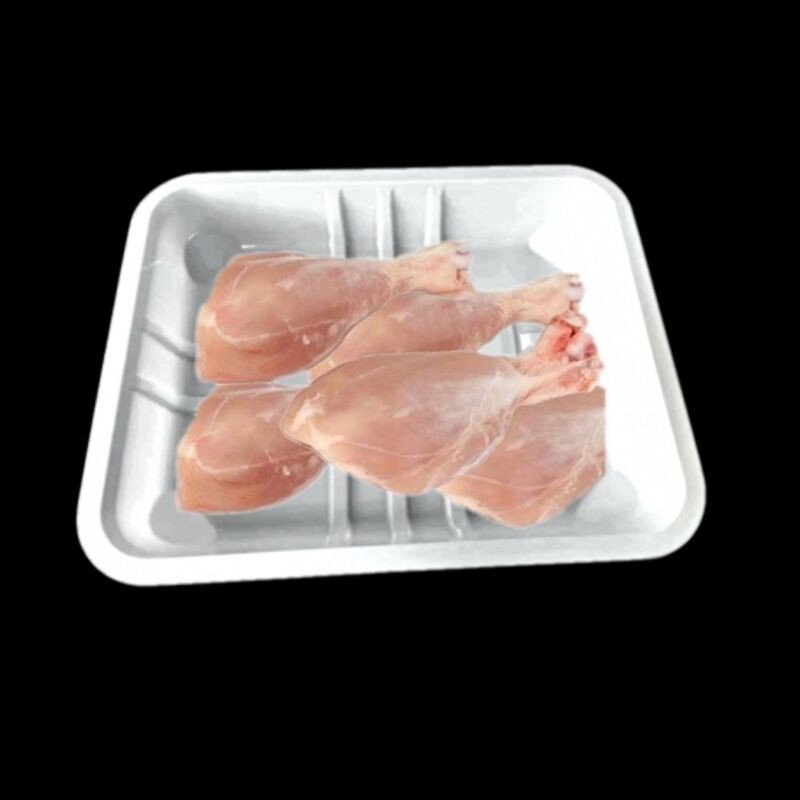
Understanding the quality standards for food packaging is crucial in the meat processing industry, particularly when selecting the right rolled edge meat tray for your operations. Material thickness plays a fundamental role in determining the durability, safety, and performance characteristics of these essential packaging solutions. Professional meat processors and distributors rely on specific thickness standards to ensure their products meet regulatory requirements while maintaining optimal food safety and presentation quality.
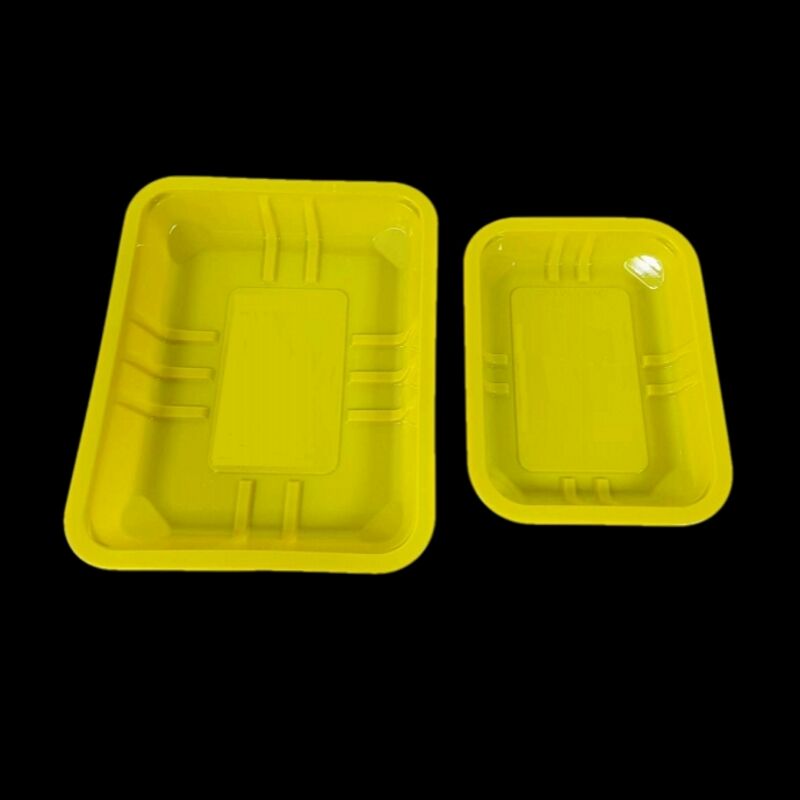
The significance of material thickness extends beyond basic structural integrity. Modern food packaging regulations demand precise specifications that balance cost-effectiveness with performance excellence. Industries worldwide have established comprehensive guidelines that define acceptable thickness ranges for different applications, ensuring consumer safety while maintaining efficient production processes.
Industry Standards for Material Thickness Specifications
Regulatory Framework and Compliance Requirements
Food packaging regulations across different regions establish minimum thickness standards for rolled edge meat tray applications. The United States Food and Drug Administration requires specific thickness measurements to ensure adequate barrier properties and structural integrity. European Union regulations similarly mandate precise thickness specifications that align with food safety directives and environmental sustainability goals.
These regulatory frameworks consider multiple factors including intended use duration, storage temperature requirements, and transportation conditions. Manufacturers must demonstrate compliance through rigorous testing protocols that verify thickness uniformity across entire production batches. Quality assurance programs incorporate statistical sampling methods to ensure consistent adherence to established standards.
International standards organizations continue refining these specifications based on emerging research and technological advances in material science. Regular updates reflect improved understanding of polymer behavior, environmental impact considerations, and evolving consumer safety expectations.
Material Classification and Performance Metrics
Different polymer types used in rolled edge meat tray manufacturing require distinct thickness specifications to achieve optimal performance characteristics. Polystyrene-based materials typically require thickness ranges between 0.8 to 1.2 millimeters for standard applications, while specialized high-barrier materials may necessitate different specifications.
Performance metrics extend beyond simple thickness measurements to include puncture resistance, thermal stability, and chemical compatibility with food products. Advanced testing methodologies evaluate these properties under various stress conditions to ensure reliable performance throughout the entire product lifecycle.
Material suppliers provide detailed technical specifications that correlate thickness measurements with expected performance outcomes. These documents serve as essential references for processors selecting appropriate rolled edge meat tray solutions for specific applications.
Quality Assessment Methods and Testing Protocols
Precision Measurement Techniques
Modern quality control laboratories employ sophisticated measurement equipment to verify rolled edge meat tray thickness specifications. Digital micrometers and ultrasonic thickness gauges provide accurate measurements with precision levels exceeding industry requirements. These instruments enable rapid testing while maintaining statistical validity across large sample sizes.
Automated measurement systems integrate with production lines to provide real-time thickness monitoring capabilities. These systems immediately identify variations that could compromise product quality, enabling prompt corrective actions before significant material waste occurs. Advanced software algorithms analyze measurement data to predict potential quality issues before they manifest in finished products.
Calibration procedures ensure measurement accuracy through regular verification against certified reference standards. Quality assurance teams maintain detailed calibration records that demonstrate ongoing compliance with international measurement standards and regulatory requirements.
Statistical Quality Control Implementation
Statistical process control methodologies enable manufacturers to maintain consistent thickness specifications throughout production cycles. Control charts track thickness measurements over time, identifying trends that might indicate equipment wear or material property changes. These analytical tools help optimize production parameters while minimizing quality variations.
Sample size calculations ensure representative testing across production batches, providing confidence in quality assessments while minimizing testing costs. Random sampling protocols eliminate potential bias in measurement selection, ensuring accurate representation of overall product quality.
Process capability studies evaluate manufacturing systems' ability to consistently meet thickness specifications. These comprehensive analyses identify improvement opportunities and validate process changes before implementation in full-scale production environments.
Material Properties and Performance Characteristics
Structural Integrity and Load-Bearing Capacity
Thickness specifications directly influence the load-bearing capacity of rolled edge meat tray designs. Engineering calculations determine minimum thickness requirements based on expected product weights and stacking configurations during storage and transportation. These calculations consider dynamic loading conditions encountered during handling operations.
Finite element analysis modeling helps predict stress distribution patterns across tray surfaces under various loading scenarios. These advanced simulation tools enable optimization of thickness specifications to achieve desired performance characteristics while minimizing material usage and associated costs.
Long-term performance studies evaluate how thickness specifications affect product durability under typical use conditions. These investigations consider factors such as temperature cycling, humidity exposure, and repeated loading cycles that occur during normal distribution processes.
Barrier Properties and Food Safety Considerations
Material thickness significantly impacts barrier properties that protect food products from contamination and quality degradation. Oxygen transmission rates, moisture vapor transmission rates, and chemical migration potential all correlate with thickness specifications. These properties are particularly critical for rolled edge meat tray applications where extended shelf life is required.
Migration testing protocols evaluate potential chemical transfer from packaging materials to food products under various storage conditions. These comprehensive studies ensure thickness specifications provide adequate barriers against unwanted chemical interactions while maintaining food safety standards.
Accelerated aging studies simulate long-term storage conditions to evaluate how thickness specifications affect barrier property retention over time. These investigations help establish appropriate shelf life recommendations and storage condition guidelines for packaged products.
Manufacturing Considerations and Production Optimization
Process Control and Quality Management Systems
Manufacturing processes for rolled edge meat tray production require precise control systems to maintain consistent thickness specifications. Thermoforming equipment incorporates feedback control systems that adjust processing parameters based on real-time thickness measurements. These automated systems reduce variation while maintaining high production rates.
Temperature control systems ensure uniform heating across forming surfaces, promoting consistent material flow and thickness distribution. Advanced heating elements with precise temperature control capabilities enable manufacturers to achieve tight thickness tolerances while minimizing energy consumption.
Die design optimization influences thickness uniformity across complex tray geometries including rolled edge features. Computer-aided design tools enable engineers to predict material flow patterns and optimize die configurations for consistent thickness achievement throughout all tray sections.
Material Selection and Supply Chain Management
Raw material specifications must align with target thickness requirements for rolled edge meat tray production. Resin suppliers provide detailed technical data sheets that correlate polymer properties with achievable thickness ranges under various processing conditions. These specifications guide material selection decisions for specific applications.
Supply chain quality agreements establish clear expectations for incoming material consistency, including thickness-related properties such as melt flow index and density variations. Regular supplier audits verify adherence to these specifications and identify improvement opportunities.
Inventory management systems track material properties across different lot numbers, enabling traceability and quality control throughout the production process. These systems help maintain consistent rolled edge meat tray quality by ensuring appropriate material matching for specific production runs.
Environmental Impact and Sustainability Considerations
Material Optimization and Waste Reduction
Thickness optimization initiatives focus on achieving required performance characteristics while minimizing material usage and environmental impact. Life cycle assessment methodologies evaluate the environmental implications of different thickness specifications, considering factors such as raw material consumption, energy usage, and end-of-life disposal options.
Lightweighting programs systematically reduce thickness specifications while maintaining essential performance properties. These initiatives require comprehensive testing to ensure food safety and structural integrity standards are maintained throughout the optimization process.
Recycling considerations influence thickness specifications for rolled edge meat tray applications. Materials must maintain adequate properties for recycling processes while meeting original performance requirements, creating complex optimization challenges for manufacturers.
Sustainable Manufacturing Practices
Energy-efficient manufacturing processes reduce the environmental impact associated with achieving specific thickness standards. Advanced heating technologies and improved insulation systems minimize energy consumption while maintaining precise temperature control necessary for consistent thickness achievement.
Process optimization studies identify opportunities to reduce material waste during rolled edge meat tray production. These initiatives focus on minimizing trim waste and optimizing forming parameters to achieve target thickness specifications with maximum material utilization efficiency.
Alternative material technologies offer potential pathways for improved sustainability without compromising thickness-related performance characteristics. Research into bio-based polymers and recyclable material systems continues advancing sustainable packaging solutions.
Application-Specific Requirements and Customization
Fresh Meat Packaging Applications
Fresh meat packaging presents unique challenges that influence thickness specifications for rolled edge meat tray designs. Direct food contact requirements mandate specific material grades and thickness ranges that ensure food safety while providing adequate protection during storage and display.
Refrigerated storage conditions affect material properties and required thickness specifications. Cold temperature exposure can increase brittleness in some polymer types, necessitating thickness adjustments to maintain adequate impact resistance and handling durability.
Display requirements in retail environments influence thickness specifications to ensure attractive product presentation while maintaining structural integrity under typical handling conditions. Visual clarity and surface finish quality must be balanced with mechanical property requirements.
Processed Meat and Deli Applications
Processed meat products often require specialized thickness specifications to accommodate specific packaging requirements such as modified atmosphere packaging or extended shelf life applications. These requirements may necessitate increased thickness to provide enhanced barrier properties.
Sliced deli meat applications require precise thickness control to ensure proper fit with automated packaging equipment. Dimensional consistency across production batches prevents equipment malfunctions and maintains packaging efficiency in high-speed operations.
Hot-fill applications demand thickness specifications that accommodate thermal expansion and contraction cycles without compromising structural integrity. These specialized requirements often necessitate increased thickness compared to ambient temperature applications.
Future Trends and Technology Developments
Advanced Material Technologies
Emerging material technologies promise improved performance characteristics that may influence future thickness standards for rolled edge meat tray applications. Nanotechnology applications enable enhanced barrier properties at reduced thickness levels, potentially revolutionizing packaging efficiency.
Smart packaging technologies integrate sensor capabilities that require specific thickness specifications to accommodate embedded electronic components. These advanced systems provide real-time monitoring of product conditions while maintaining traditional packaging functions.
Biodegradable material development continues advancing with improved performance characteristics that may enable thickness reduction while maintaining adequate functionality for meat packaging applications.
Manufacturing Technology Advancement
Precision forming technologies enable tighter thickness tolerances and improved consistency across complex tray geometries. These advanced manufacturing capabilities support optimization initiatives that reduce material usage while maintaining performance standards.
In-line quality monitoring systems provide real-time feedback on thickness specifications throughout production cycles. These advanced systems enable immediate process adjustments to maintain consistent quality while minimizing waste and rework requirements.
Artificial intelligence applications in process control promise improved thickness consistency through predictive optimization algorithms that anticipate and prevent quality variations before they occur in finished products.
FAQ
What minimum thickness is required for food-safe rolled edge meat tray applications
Food-safe rolled edge meat tray applications typically require minimum thickness specifications ranging from 0.8 to 1.0 millimeters, depending on the specific polymer type and intended application. Regulatory authorities establish these requirements based on mechanical strength, barrier properties, and chemical migration considerations. Manufacturers must demonstrate compliance through comprehensive testing protocols that verify adequate performance under typical use conditions.
How does temperature affect thickness requirements for meat packaging trays
Temperature exposure significantly influences thickness requirements for rolled edge meat tray applications, particularly in refrigerated and frozen food environments. Cold temperatures can increase material brittleness, often necessitating thickness increases of 10-15% compared to ambient temperature specifications. Hot-fill applications may require even greater thickness adjustments to accommodate thermal expansion and contraction cycles without compromising structural integrity.
What testing methods verify thickness compliance in meat tray manufacturing
Thickness compliance verification employs multiple testing methodologies including digital micrometer measurements, ultrasonic thickness gauging, and automated in-line monitoring systems. Statistical sampling protocols ensure representative testing across production batches, while calibrated reference standards maintain measurement accuracy. Advanced quality control systems integrate these measurements with process control algorithms to maintain consistent rolled edge meat tray specifications throughout production cycles.
How do environmental regulations impact thickness standards for meat packaging
Environmental regulations increasingly influence thickness standards through lightweighting initiatives and recyclability requirements. Manufacturers must balance reduced material usage with maintained performance characteristics, often requiring advanced testing to validate optimized specifications. Sustainability considerations drive development of alternative materials and processing technologies that may enable thickness reduction while meeting or exceeding current performance standards for rolled edge meat tray applications.
Table of Contents
- Industry Standards for Material Thickness Specifications
- Quality Assessment Methods and Testing Protocols
- Material Properties and Performance Characteristics
- Manufacturing Considerations and Production Optimization
- Environmental Impact and Sustainability Considerations
- Application-Specific Requirements and Customization
- Future Trends and Technology Developments
-
FAQ
- What minimum thickness is required for food-safe rolled edge meat tray applications
- How does temperature affect thickness requirements for meat packaging trays
- What testing methods verify thickness compliance in meat tray manufacturing
- How do environmental regulations impact thickness standards for meat packaging