
 EN
EN
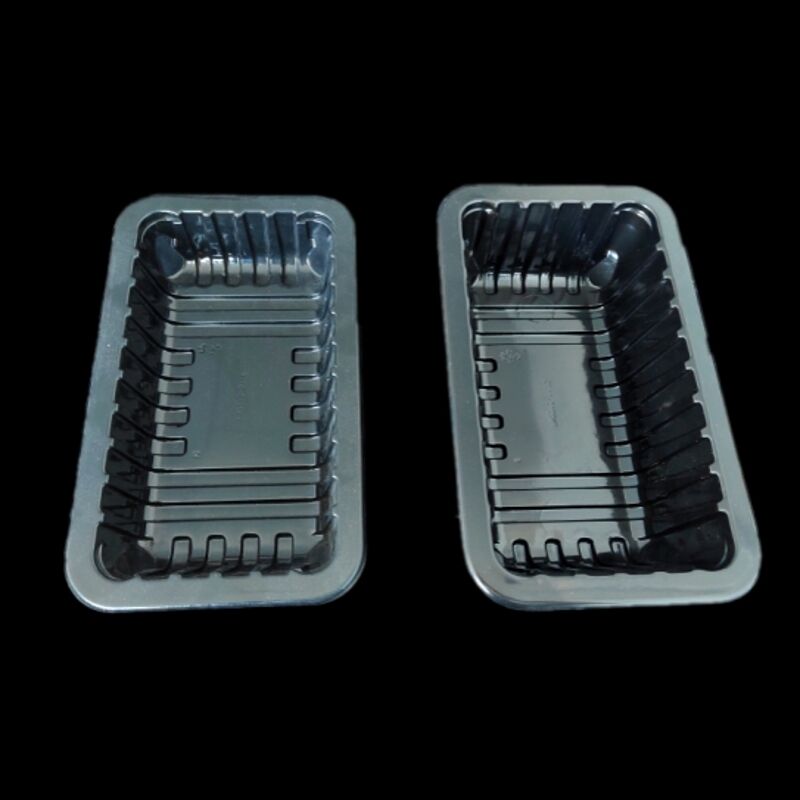
Modified Atmosphere Packaging has revolutionized the food industry by extending shelf life and maintaining product quality. Among the various packaging solutions available, map tray formats have emerged as a preferred choice for meat and produce packaging due to their superior performance characteristics. These specialized packaging systems combine innovative materials with advanced sealing technologies to create optimal storage conditions for perishable foods. The adoption of map tray formats continues to grow across the food industry as retailers and manufacturers recognize their significant advantages over traditional packaging methods.
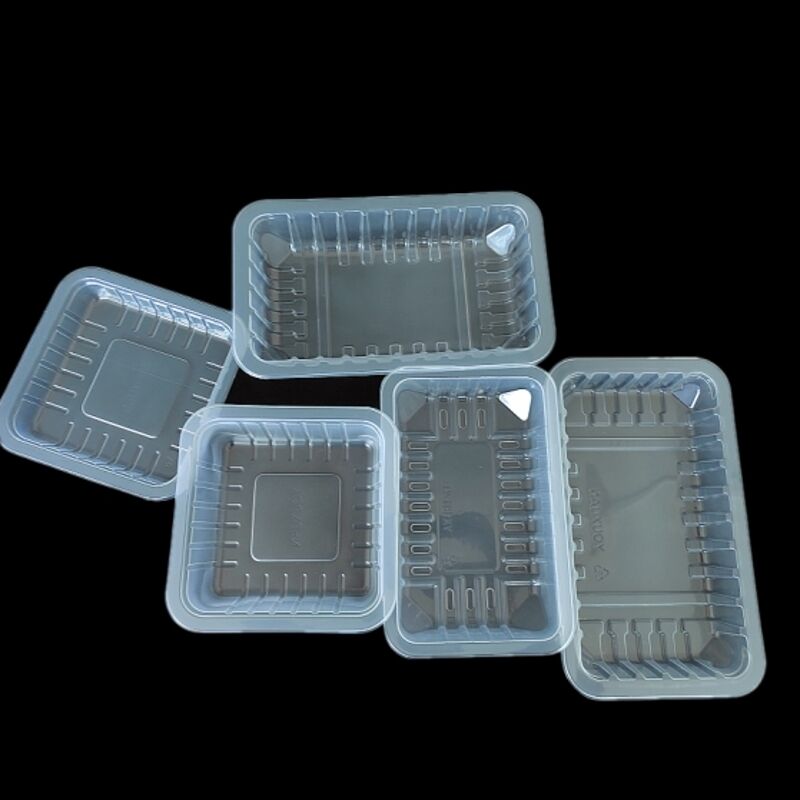
Extended Shelf Life Through Controlled Atmosphere Technology
Oxygen Level Management in MAP Systems
The primary advantage of map tray formats lies in their ability to control oxygen levels within the packaging environment. By carefully managing the concentration of oxygen, these systems significantly slow down oxidation processes that lead to spoilage and discoloration. For meat products, reduced oxygen levels prevent the growth of aerobic bacteria while maintaining the natural color and texture of the protein. The precise gas mixture within map tray formats creates an environment that extends shelf life by 50-200% compared to traditional packaging methods.
Advanced barrier films used in map tray formats prevent gas exchange with the external environment, maintaining the desired atmospheric composition throughout the product's shelf life. This controlled environment reduces waste at retail locations and provides consumers with fresher products for longer periods. The technology behind these packaging systems involves sophisticated gas flushing equipment that replaces ambient air with carefully calibrated gas mixtures tailored to specific product requirements.
Carbon Dioxide Benefits for Microbial Control
Carbon dioxide plays a crucial role in the effectiveness of map tray formats by inhibiting bacterial and mold growth. The solubility of CO2 in meat and produce creates an acidic environment that naturally suppresses pathogenic microorganisms. This antimicrobial effect is particularly valuable for fresh meat packaging, where maintaining food safety standards is paramount. The concentration of carbon dioxide in map tray formats is carefully calculated to maximize preservation benefits while avoiding excessive acidity that could affect taste or texture.
Research has demonstrated that optimal CO2 levels in map tray formats can reduce bacterial load by up to 90% compared to air-packed products. This significant reduction in microbial activity translates directly into extended shelf life and improved food safety outcomes. The antimicrobial properties of controlled carbon dioxide atmospheres make map tray formats an essential tool for maintaining product integrity throughout the supply chain.
Enhanced Product Presentation and Visual Appeal
Clarity and Transparency Advantages
Modern map tray formats utilize high-clarity films that provide excellent product visibility while maintaining barrier properties. The transparent nature of these packaging systems allows consumers to inspect products before purchase, building confidence and trust in the brand. Superior optical properties of advanced MAP films ensure that colors remain vibrant and appealing throughout the product's shelf life. This visual appeal is particularly important for premium meat cuts and fresh produce where appearance directly influences purchasing decisions.
The crystal-clear visibility offered by map tray formats eliminates the need for additional packaging materials that might obscure the product. Retailers benefit from this transparency as it reduces customer handling and potential contamination while maintaining an attractive display. The combination of excellent clarity and protective properties makes these packaging systems ideal for high-value products where presentation is crucial for market success.
Structural Integrity and Product Protection
The rigid tray construction used in map tray formats provides superior protection against physical damage during transportation and handling. Unlike flexible packaging options, these systems maintain their shape and protect delicate products from crushing or deformation. The structural design of map tray formats distributes weight evenly and provides cushioning that prevents bruising in produce and maintains the appearance of meat products.
Advanced tray materials used in map tray formats offer excellent puncture resistance and durability while remaining lightweight for shipping efficiency. The combination of rigid base trays with flexible top films creates a packaging system that withstands the rigors of modern distribution networks. This protection extends beyond physical damage to include moisture control and contamination prevention, ensuring products reach consumers in optimal condition.
Cost Effectiveness and Operational Benefits
Reduction in Product Loss and Waste
Implementation of map tray formats significantly reduces product loss throughout the supply chain by extending usable shelf life and maintaining quality standards. Retailers experience fewer markdowns and less shrinkage when using these advanced packaging systems compared to traditional methods. The extended shelf life provided by map tray formats allows for more efficient inventory management and reduces the frequency of stock rotation required.
Economic analysis reveals that the initial investment in map tray formats is quickly offset by reduced waste and improved product turnover rates. The ability to maintain product quality for extended periods allows retailers to optimize purchasing cycles and reduce emergency restocking costs. These operational efficiencies contribute to improved profit margins and more sustainable business practices across the food industry.
Supply Chain Optimization Benefits
Map tray formats enable more efficient distribution strategies by allowing longer transportation times without quality degradation. This flexibility permits centralized processing and packaging operations that can serve broader geographic markets. The extended shelf life characteristics of map tray formats support just-in-time delivery systems and reduce the need for frequent shipments.
Logistics operations benefit from the standardized dimensions and stackable design of map tray formats, which optimize warehouse space utilization and transportation efficiency. The uniform sizing allows for automated handling systems and improves overall supply chain velocity. These operational advantages make map tray formats an attractive option for companies seeking to optimize their distribution networks and reduce overall logistics costs.
Environmental Impact and Sustainability Considerations
Material Efficiency and Recyclability
Modern map tray formats incorporate recyclable materials that align with growing environmental consciousness in the packaging industry. The efficient use of materials in these systems reduces overall packaging waste while maintaining superior protection properties. Many manufacturers now offer map tray formats made from post-consumer recycled content, supporting circular economy principles in food packaging applications.
The extended shelf life provided by map tray formats contributes to reduced food waste, which represents a significant environmental benefit. By preventing spoilage and maintaining quality for longer periods, these packaging systems help reduce the environmental impact associated with food production and disposal. The combination of material efficiency and waste reduction makes map tray formats an environmentally responsible choice for food packaging applications.
Energy Consumption and Carbon Footprint
The production of map tray formats requires less energy per unit compared to alternative packaging methods when considering the total lifecycle impact. The extended shelf life enabled by these systems reduces the frequency of product replacement and associated transportation emissions. Manufacturing processes for map tray formats continue to improve in efficiency, with many facilities now utilizing renewable energy sources for production operations.
Lifecycle assessment studies demonstrate that the environmental benefits of reduced food waste often outweigh the initial environmental costs of map tray formats production. The optimization of transportation and storage efficiency through extended shelf life contributes to overall carbon footprint reduction in food distribution networks. These environmental advantages support corporate sustainability goals while maintaining commercial viability.
Technology Advancements in MAP Systems
Smart Packaging Integration
Recent innovations in map tray formats include the integration of smart packaging technologies that provide real-time information about product condition. Advanced sensors embedded within packaging systems can monitor temperature, humidity, and gas concentrations throughout the supply chain. These intelligent map tray formats enable proactive quality management and provide valuable data for optimizing packaging parameters.
The development of color-changing indicators within map tray formats allows consumers and retailers to easily assess product freshness without opening the package. These visual indicators respond to changes in pH or gas concentrations that occur during spoilage processes. The integration of smart technologies in map tray formats represents the next evolution in food packaging, providing enhanced safety and quality assurance capabilities.
Advanced Barrier Film Technologies
Continuous improvements in barrier film technology have enhanced the performance of map tray formats across multiple dimensions. New multilayer film structures provide superior gas barrier properties while maintaining flexibility and clarity. These advanced materials enable the use of map tray formats for a broader range of products with varying preservation requirements.
Nanotechnology applications in barrier films have resulted in map tray formats with unprecedented performance characteristics. These next-generation materials offer enhanced puncture resistance, improved gas selectivity, and extended thermal stability. The ongoing development of advanced barrier technologies ensures that map tray formats will continue to evolve and improve in effectiveness and efficiency.
FAQ
How do map tray formats compare to vacuum packaging for meat preservation
Map tray formats offer several advantages over vacuum packaging, including better color retention and texture maintenance in meat products. While vacuum packaging removes all air, map tray formats replace air with controlled gas mixtures that optimize preservation without the compression effects of vacuum systems. The controlled atmosphere in map tray formats prevents the purge loss commonly associated with vacuum-packed meats and maintains a more natural appearance that appeals to consumers.
What types of produce benefit most from map tray formats
Fresh-cut vegetables, berries, herbs, and prepared salads show the greatest benefits from map tray formats due to their high respiration rates and sensitivity to oxygen exposure. Leafy greens particularly benefit from the controlled atmosphere environment that prevents wilting and browning. The gas permeability of map tray formats can be customized to match the specific respiration requirements of different produce items, ensuring optimal preservation conditions for each product type.
Are map tray formats suitable for organic and natural food products
Map tray formats are fully compatible with organic and natural food products, as they preserve freshness without the use of chemical preservatives or additives. The controlled atmosphere technology used in map tray formats aligns with natural preservation methods and supports clean label initiatives. Many organic certification bodies approve the use of map tray formats as they maintain product integrity through physical and atmospheric control rather than chemical intervention.
What equipment is required for implementing map tray formats in food operations
Implementation of map tray formats requires specialized packaging equipment including gas mixing systems, tray sealing machines, and quality control instrumentation. The initial investment varies depending on production volume and automation level, but many manufacturers offer scalable solutions for operations of different sizes. Training requirements are moderate, and most packaging equipment suppliers provide comprehensive support for installation and operation of map tray formats systems.