
 EN
EN
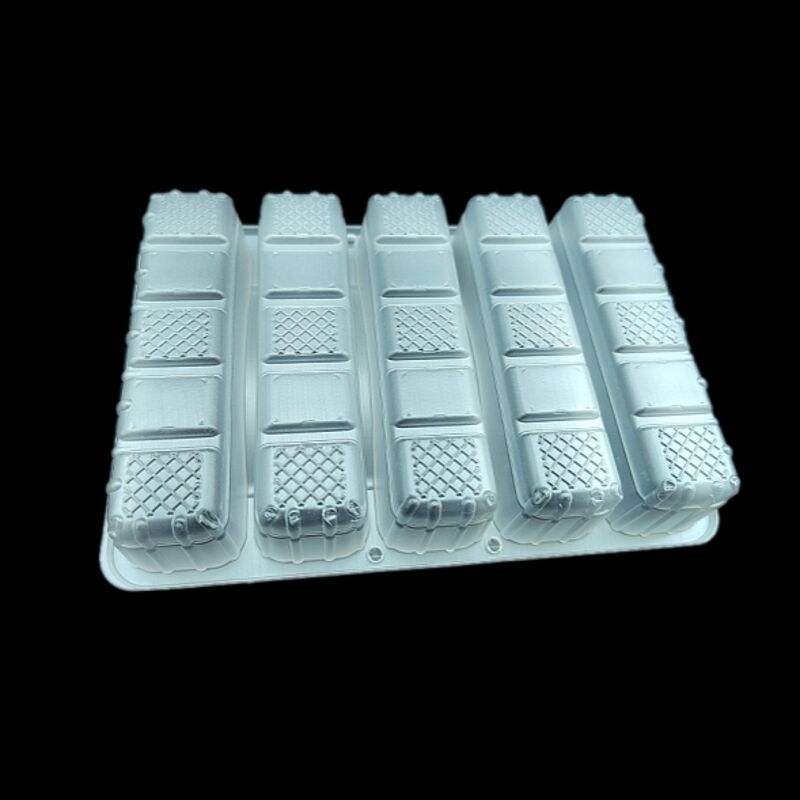
The frozen meat industry demands exceptional packaging solutions that preserve product quality, extend shelf life, and maintain food safety standards throughout the supply chain. Selecting appropriate boxes for frozen meat packaging requires careful consideration of multiple technical specifications that directly impact product integrity and operational efficiency. Modern meat processors and distributors must evaluate various factors including material composition, thermal properties, barrier characteristics, and structural design when choosing optimal packaging systems for their frozen protein products.
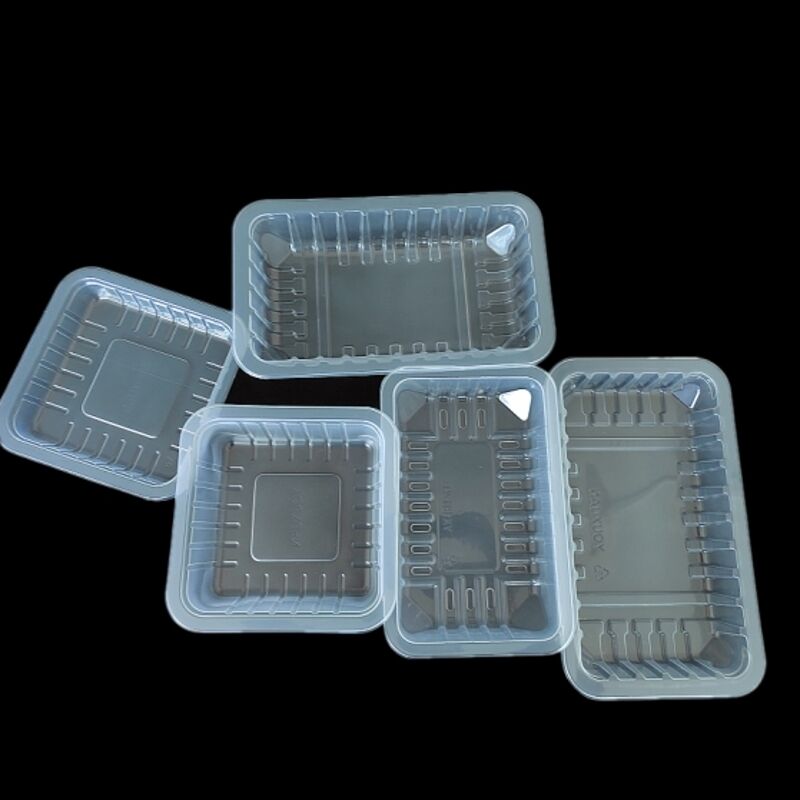
Material Composition and Barrier Properties
Advanced Polymer Technology for Frozen Applications
High-performance boxes for frozen meat packaging utilize specialized polymer compositions designed to maintain structural integrity at sub-zero temperatures. These advanced materials typically incorporate ethylene vinyl alcohol copolymers, polyamide layers, and modified polyethylene compounds that provide superior oxygen barrier properties. The multi-layer construction prevents oxidation reactions that cause off-flavors, discoloration, and nutritional degradation in frozen meat products during extended storage periods.
Temperature resistance becomes crucial when evaluating material specifications for frozen meat applications. Quality packaging materials must withstand temperature fluctuations from production facilities operating at standard temperatures down to storage environments reaching negative forty degrees Fahrenheit. This thermal stability ensures that boxes for frozen meat packaging maintain their protective characteristics throughout the entire cold chain distribution process.
Moisture Vapor Transmission Rates
Controlling moisture migration represents a critical factor in frozen meat packaging performance. Low moisture vapor transmission rates prevent ice crystal formation on product surfaces while maintaining optimal texture and appearance characteristics. Advanced barrier films incorporated into boxes for frozen meat packaging typically achieve transmission rates below 0.1 grams per square meter per twenty-four hour period under standard testing conditions.
Relative humidity control within the packaging environment directly affects meat quality during frozen storage. Proper vapor barrier properties prevent moisture loss that leads to freezer burn, surface dehydration, and weight loss issues that impact both product appearance and profitability for meat processors and retailers.
Structural Design Considerations
Load-Bearing Capacity and Stacking Performance
Frozen storage facilities require packaging solutions that maintain structural integrity under significant vertical loads during warehouse stacking operations. Professional-grade boxes for frozen meat packaging must demonstrate consistent load-bearing capacity exceeding industry standards for cold storage applications. Testing protocols evaluate compression strength, edge crush performance, and long-term creep resistance under various temperature and humidity conditions.
Distribution logistics place additional demands on packaging structural performance during transportation and handling operations. Vibration testing, drop testing, and dynamic load analysis help determine optimal design specifications that protect product integrity while minimizing packaging material usage and associated costs throughout the supply chain.
Seal Integrity and Closure Systems
Reliable sealing mechanisms ensure that boxes for frozen meat packaging maintain their protective environment throughout extended storage periods. Heat-sealable films, pressure-sensitive adhesives, and mechanical closure systems each offer specific advantages depending on application requirements and automated packaging line compatibility considerations.
Seal strength testing under frozen conditions validates closure performance across temperature ranges encountered during normal distribution cycles. Proper seal integrity prevents contamination, maintains product freshness, and ensures compliance with food safety regulations governing frozen meat products.
Dimensional Optimization and Product Fit
Volume Efficiency and Space Utilization
Optimizing package dimensions directly impacts storage costs, transportation efficiency, and inventory management throughout the frozen meat supply chain. Precise sizing specifications for boxes for frozen meat packaging maximize product density while providing adequate protection during handling and storage operations. Computer-aided design tools help packaging engineers develop optimal configurations that balance material efficiency with performance requirements.
Standardized dimensions facilitate automated handling systems, improve warehouse organization, and streamline distribution logistics. Industry-standard pallet configurations and storage rack systems influence optimal package sizing decisions that enhance operational efficiency across multiple facilities and distribution partners.
Product Configuration and Presentation
Individual product characteristics including shape, size, and weight distribution affect packaging design requirements for optimal protection and presentation. Custom-formed trays and divider systems within boxes for frozen meat packaging prevent product movement, maintain proper orientation, and reduce damage risks during transportation and storage operations.
Visual presentation aspects become increasingly important for retail-ready packaging formats that eliminate secondary handling requirements. Clear viewing windows, promotional graphics areas, and consumer-friendly opening features enhance market appeal while maintaining essential protective characteristics required for frozen meat applications.
Thermal Performance and Insulation Properties
Heat Transfer Characteristics
Thermal conductivity specifications directly influence temperature maintenance capabilities of boxes for frozen meat packaging during temporary exposure to ambient conditions. Low thermal conductivity materials provide extended protection during loading operations, transportation delays, and brief storage interruptions that could otherwise compromise product quality.
Insulation effectiveness measurements quantify packaging performance under various environmental conditions encountered throughout typical distribution scenarios. Standardized testing protocols evaluate temperature rise rates, thermal bridging effects, and overall system performance that helps processors select optimal packaging solutions for specific application requirements.
Phase Change Material Integration
Advanced boxes for frozen meat packaging increasingly incorporate phase change materials that provide additional thermal buffering capacity during temperature excursions. These specialized compounds absorb and release thermal energy at predetermined temperatures, extending protection periods and improving overall cold chain performance.
Integration techniques for phase change materials include direct incorporation into packaging films, separate compartment systems, and coating applications that maintain product contact safety while enhancing thermal performance characteristics.
Regulatory Compliance and Food Safety Standards
Material Safety and Migration Testing
Food contact regulations require comprehensive testing of all materials used in boxes for frozen meat packaging to ensure consumer safety and regulatory compliance. Migration testing protocols evaluate potential chemical transfer from packaging materials into meat products under various storage conditions and time periods.
Global regulatory frameworks including FDA regulations, EU directives, and international food safety standards establish specific requirements for packaging materials intended for direct food contact applications. Compliance documentation and certification processes ensure that selected packaging materials meet all applicable safety standards for frozen meat applications.
Traceability and Documentation Requirements
Modern food safety systems demand comprehensive traceability capabilities that track product movement from processing facilities through final consumer delivery. Boxes for frozen meat packaging must accommodate labeling systems, coding technologies, and tracking mechanisms that support regulatory compliance and recall procedures when necessary.
Documentation requirements include material safety data sheets, performance testing reports, and compliance certifications that demonstrate adherence to applicable food safety standards and industry best practices for frozen meat packaging applications.
Environmental Impact and Sustainability Considerations
Recyclability and End-of-Life Management
Sustainable packaging strategies increasingly influence material selection decisions for boxes for frozen meat packaging applications. Recyclable materials, biodegradable options, and circular economy principles guide development of environmentally responsible packaging solutions that maintain essential performance characteristics.
Life cycle assessment methodologies evaluate total environmental impact including raw material production, manufacturing processes, transportation requirements, and end-of-life disposal or recycling options. These comprehensive evaluations help processors make informed decisions that balance performance requirements with environmental responsibility.
Material Source and Carbon Footprint
Renewable material sources, reduced packaging material usage, and optimized manufacturing processes contribute to lower carbon footprint profiles for sustainable boxes for frozen meat packaging solutions. Bio-based polymers, recycled content incorporation, and energy-efficient production methods support corporate sustainability initiatives while maintaining required performance standards.
Transportation efficiency improvements through lightweight design, improved space utilization, and optimized package configurations reduce overall environmental impact throughout the distribution supply chain for frozen meat products.
FAQ
What temperature range must boxes for frozen meat packaging withstand during normal operations
Professional-grade boxes for frozen meat packaging must maintain structural integrity and barrier properties across temperature ranges from standard processing temperatures around seventy degrees Fahrenheit down to frozen storage conditions reaching negative forty degrees Fahrenheit. This broad temperature tolerance ensures consistent performance throughout the entire cold chain distribution process including production, storage, transportation, and retail display applications.
How do moisture barrier properties affect frozen meat quality during extended storage periods
Moisture barrier characteristics directly impact frozen meat quality by preventing ice crystal formation, surface dehydration, and freezer burn development during extended storage periods. High-performance boxes for frozen meat packaging utilize advanced barrier films with extremely low moisture vapor transmission rates to maintain optimal product texture, appearance, and nutritional content throughout typical storage durations ranging from several months to over one year.
What load-bearing specifications are required for frozen storage warehouse stacking operations
Boxes for frozen meat packaging designed for commercial frozen storage applications must demonstrate compression strength capabilities exceeding typical warehouse stacking loads while maintaining structural integrity under cold temperature conditions. Industry standard specifications typically require packages to withstand vertical loads of several hundred pounds per square inch while resisting creep deformation during extended storage periods in automated high-density storage systems.
Which regulatory standards govern material safety for frozen meat packaging applications
Material safety requirements for boxes for frozen meat packaging fall under multiple regulatory frameworks including FDA food contact substance regulations, USDA food safety guidelines, and international standards such as EU food contact materials directives. These regulations establish specific migration limits, testing protocols, and certification requirements that ensure packaging materials maintain food safety standards throughout typical storage and distribution cycles for frozen meat products.
Table of Contents
- Material Composition and Barrier Properties
- Structural Design Considerations
- Dimensional Optimization and Product Fit
- Thermal Performance and Insulation Properties
- Regulatory Compliance and Food Safety Standards
- Environmental Impact and Sustainability Considerations
-
FAQ
- What temperature range must boxes for frozen meat packaging withstand during normal operations
- How do moisture barrier properties affect frozen meat quality during extended storage periods
- What load-bearing specifications are required for frozen storage warehouse stacking operations
- Which regulatory standards govern material safety for frozen meat packaging applications