
 EN
EN
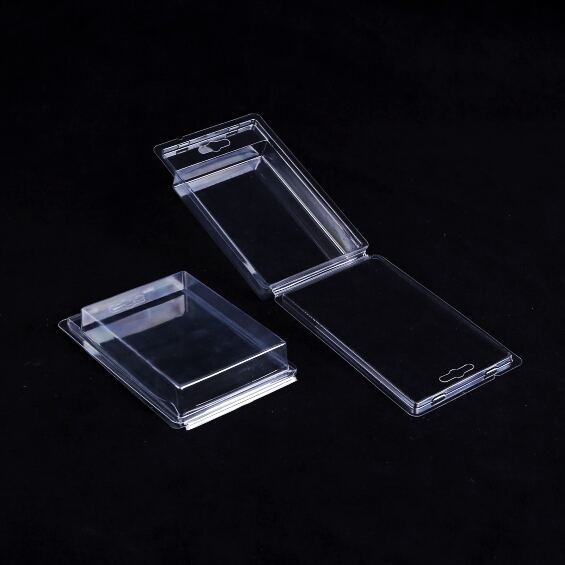
Understanding Modern Fruit Packaging Solutions
The evolution of breathable plastic packaging has revolutionized how we preserve and transport fresh fruits. This innovative packaging solution addresses the critical balance between protection and respiration, ensuring fruits maintain their freshness, appearance, and nutritional value throughout the supply chain. As consumers become increasingly conscious about food quality and sustainability, the importance of selecting the right packaging material has never been more significant.
Essential Features of Quality Fruit Packaging
Optimal Moisture Control Technology
When selecting breathable plastic packaging for fruits, moisture regulation stands as a paramount consideration. Advanced packaging materials utilize microscopic pores that allow excess moisture to escape while maintaining the ideal humidity level inside. This delicate balance prevents condensation buildup, which could otherwise lead to premature spoilage and mold growth. Modern breathable films incorporate specially designed polymers that respond dynamically to environmental conditions, adjusting their permeability as needed.
The latest innovations in moisture control technology include smart polymers that can adapt their barrier properties based on the surrounding temperature and humidity levels. This ensures fruits remain in optimal condition regardless of external environmental fluctuations during storage and transportation.
Gas Exchange Capabilities
Effective breathable plastic packaging must facilitate proper gas exchange - particularly oxygen and carbon dioxide. This process is crucial as fruits continue to respire after harvesting. The packaging material should allow sufficient oxygen intake while permitting carbon dioxide release, preventing the accumulation of harmful gases that could accelerate ripening or cause off-flavors.
Advanced packaging solutions now feature specialized perforations and microporous structures that maintain ideal atmospheric conditions inside the package. These technologies help create a modified atmosphere that extends shelf life without compromising fruit quality.
Material Selection Considerations
Polymer Types and Properties
The selection of appropriate polymer materials plays a crucial role in creating effective breathable plastic packaging. Different fruits require varying levels of breathability and protection. High-performance materials like LDPE (Low-Density Polyethylene) and specialized co-polymers offer excellent balance between strength and permeability. These materials can be engineered to provide specific transmission rates for oxygen, carbon dioxide, and water vapor.
Modern packaging solutions often incorporate nano-materials and bio-based polymers that enhance breathability while reducing environmental impact. These innovative materials provide superior protection while aligning with sustainability goals.
Environmental Impact Assessment
Sustainable breathable plastic packaging options have become increasingly important in today's environmentally conscious market. Manufacturers are developing biodegradable and compostable alternatives that maintain the same level of functionality as traditional materials. These eco-friendly options often incorporate natural additives and modified polymers that break down more readily after disposal.
When selecting packaging materials, it's essential to consider the entire lifecycle impact, from production through disposal. Many new breathable packaging solutions are designed for recyclability while maintaining their protective properties.
Performance Testing Methods
Permeability Evaluation
Proper assessment of breathable plastic packaging requires rigorous testing of permeability characteristics. Standard testing methods measure oxygen transmission rate (OTR), carbon dioxide transmission rate (CO2TR), and water vapor transmission rate (WVTR). These measurements help determine if the packaging material meets the specific requirements for different fruit types.
Advanced testing protocols also evaluate the packaging's performance under various temperature and humidity conditions, ensuring consistent breathability across different environmental scenarios. This comprehensive testing approach helps predict real-world performance and reliability.
Durability and Strength Testing
While breathability is crucial, packaging must also maintain its structural integrity during handling and transportation. Impact resistance, tensile strength, and seal integrity tests ensure the packaging can withstand the rigors of the supply chain. Modern breathable plastic packaging undergoes extensive physical testing to verify its protective capabilities.
Quality control measures include accelerated aging tests to evaluate long-term performance and stability under various conditions. This helps guarantee the packaging maintains its protective properties throughout the intended shelf life.

Application-Specific Considerations
Fruit Type Requirements
Different fruits have varying respiration rates and storage requirements, necessitating customized breathable plastic packaging solutions. Climacteric fruits like apples and bananas require packaging that can accommodate increased respiration during ripening, while non-climacteric fruits like citrus need different permeability levels to maintain freshness.
Understanding these specific requirements helps in selecting the most appropriate packaging material and design. Factors such as fruit size, shape, and surface characteristics also influence the choice of packaging solution.
Storage and Transportation Conditions
The effectiveness of breathable plastic packaging must be evaluated in the context of expected storage and transportation conditions. Temperature fluctuations, humidity levels, and duration of storage all impact the required packaging specifications. Advanced packaging solutions often incorporate features that help maintain stable conditions despite external environmental changes.
Consider the entire supply chain journey when selecting packaging materials, including potential exposure to temperature extremes and varying humidity levels during transportation and storage.
Frequently Asked Questions
How does breathable plastic packaging extend fruit shelf life?
Breathable plastic packaging extends fruit shelf life by maintaining optimal gas exchange rates and moisture levels. The specialized material allows excess moisture to escape while preventing dehydration, and facilitates proper oxygen and carbon dioxide exchange to slow down ripening and prevent spoilage.
What makes certain plastic packaging more suitable for organic fruits?
Packaging for organic fruits often requires higher breathability rates and must meet strict environmental standards. The materials should be free from harmful chemicals and preferably biodegradable, while still maintaining effective protection and proper gas exchange properties.
How can you determine if packaging has the right breathability for specific fruits?
The appropriate breathability can be determined through laboratory testing of transmission rates for oxygen, carbon dioxide, and water vapor. Additionally, practical trials with specific fruit types under various storage conditions can validate the packaging's effectiveness. Always consult manufacturer specifications and conduct pilot tests before full-scale implementation.