
 EN
EN
The Science Behind Meat Presentation and Visual Appeal
The visual presentation of meat products in retail displays plays a crucial role in consumer purchasing decisions. The color of meat tray packaging isn't just about aesthetics - it's a strategic choice that can significantly impact both the perceived and actual freshness of meat products. Understanding the psychology of color and its interaction with meat presentation has become an essential aspect of food retail marketing and merchandising.
Color Psychology in Meat Packaging
Traditional Color Choices and Their Impact
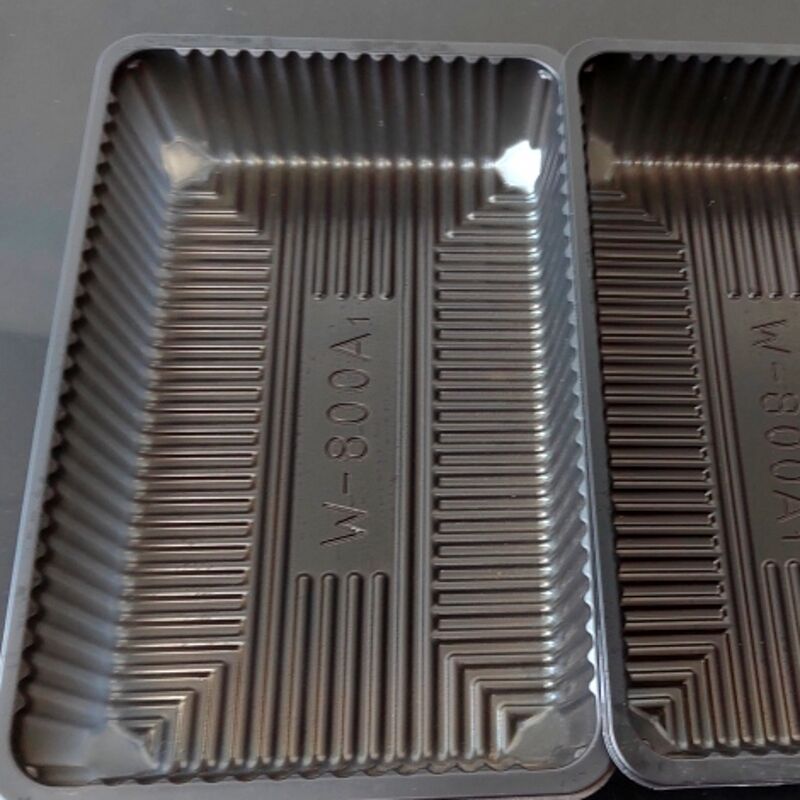
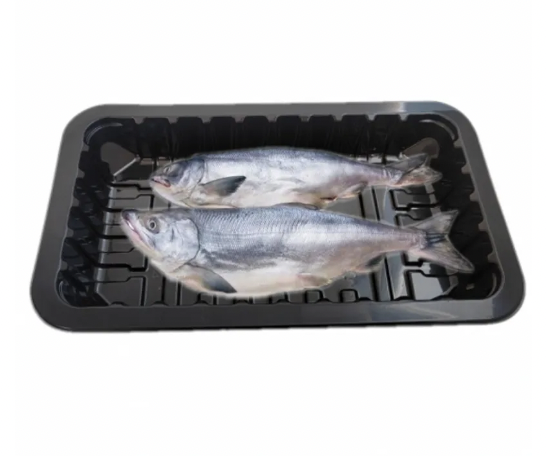
When it comes to meat tray colors, certain hues have become industry standards for specific reasons. White trays have long been associated with cleanliness and purity, making them a popular choice for many retailers. Black trays create a striking contrast that can make red meat appear more vibrant and appealing. The contrast effect of meat tray colors against the product itself can enhance the visual appeal and influence consumer perception of quality.
Consumer Response to Different Tray Colors
Research has shown that consumers respond differently to various meat tray colors. Yellow and green tints are generally avoided as they can make meat appear less fresh or even spoiled. Blue and purple hues, while attractive in other contexts, can create an unnatural appearance when used with meat products. Understanding these psychological responses helps retailers make informed decisions about their packaging choices.
Optimal Color Selections for Different Meat Types
Red Meat Display Solutions
For red meat products, black and dark-colored trays have proven most effective. The deep background creates a striking contrast that emphasizes the natural red coloring of beef and lamb. This contrast not only makes the meat appear more appetizing but can also help maintain the perceived freshness of the product for longer periods. Some retailers have found success with deep burgundy trays, which complement the natural color of red meat while maintaining an upscale appearance.
Poultry and White Meat Considerations
White and light-colored trays typically work best for poultry and other white meats. The neutral background allows the natural color of the meat to stand out without creating unwanted color interactions. Pale blue or very light gray trays have also shown positive results, as they create a clean, fresh appearance without competing with the product's natural coloring.
Technical Aspects of Meat Preservation
Color Impact on Temperature Management
The color of meat trays can affect temperature retention and management in display cases. Darker colored trays tend to absorb more heat, which can impact the temperature stability of the displayed meat. This factor must be considered alongside aesthetic concerns when selecting appropriate meat tray colors. Some manufacturers now offer specially coated trays that help maintain optimal temperature regardless of color choice.
Material Properties and Color Stability
The stability of tray colors over time and their interaction with meat products is another crucial consideration. High-quality trays must maintain their color despite exposure to moisture, temperature fluctuations, and meat juices. Advanced materials and coating technologies have made it possible to create trays that retain their appearance while providing necessary functional benefits.
Environmental and Sustainability Considerations
Eco-friendly Color Options
As sustainability becomes increasingly important to consumers, the environmental impact of meat tray colors must be considered. Some natural and recycled materials may limit color options but offer superior environmental benefits. Manufacturers are developing new technologies to create attractive, effective meat tray colors using eco-friendly materials and processes.
Future Trends in Sustainable Packaging
The future of meat tray colors is likely to be influenced by both environmental concerns and technological advances. Biodegradable materials with natural pigments are becoming more popular, while smart packaging with color-changing properties may indicate freshness levels. These innovations must balance aesthetic appeal with practical functionality and sustainability requirements.
Frequently Asked Questions
How do meat tray colors affect product shelf life?
While tray color itself doesn't directly impact actual shelf life, it can affect temperature absorption and stability. Darker colors absorb more heat, potentially requiring additional cooling considerations. The right tray color can help maintain optimal display conditions and support proper preservation techniques.
Which colors should be avoided for meat packaging?
Yellow, green, and bright blue tones should generally be avoided as they can create an unnatural appearance or suggest spoilage. These colors can interact negatively with the natural coloring of meat products and may deter consumers.
Are there specific regulations for meat tray colors?
While there are no specific regulations governing meat tray colors, all materials must meet food safety standards. The chosen colors must be food-grade safe and not transfer any substances to the meat products. Additionally, some retailers may have their own guidelines based on brand standards and marketing strategies.