
 EN
EN
Understanding the Safety of Food Storage Containers
The convenience of plastic meat trays in modern food packaging has revolutionized how we store and prepare our meals. These versatile containers, found in nearly every supermarket meat department, often leave consumers wondering about their safety in various temperature conditions. While plastic meat trays serve as excellent packaging solutions for fresh meats and poultry, their safe use in home storage and reheating requires careful consideration.
Many households rely on plastic meat trays for temporary storage, but understanding their safety features and limitations is crucial for proper food handling. These containers come in various forms, from standard white foam trays to more durable clear plastic versions, each designed with specific purposes in mind.
Types of Plastic Meat Trays and Their Properties
Expanded Polystyrene (EPS) Trays
Expanded polystyrene, commonly known as foam trays, represents the most widely used material for plastic meat trays in supermarkets. These lightweight, white containers offer excellent insulation properties and maintain food freshness. However, they possess significant limitations regarding temperature resistance. EPS trays can become brittle when frozen and may warp or melt when exposed to high temperatures, making them unsuitable for microwave use.
The structure of EPS plastic meat trays includes numerous air pockets, which provide insulation but also make them susceptible to physical damage. While they excel at their primary purpose of short-term refrigerated storage, they're not designed for long-term freezer storage or reheating applications.
Rigid Plastic Trays
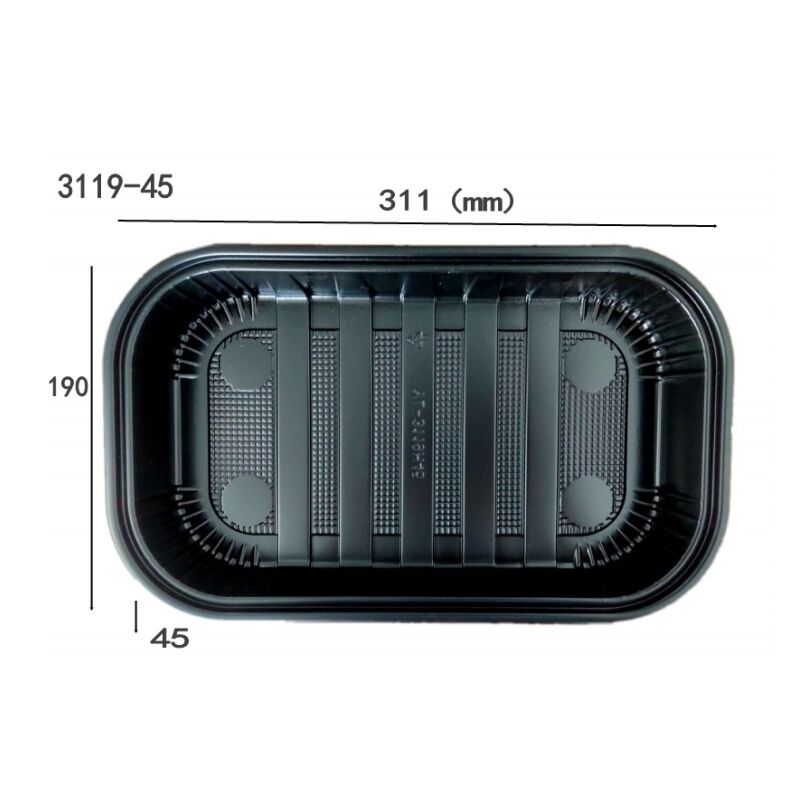
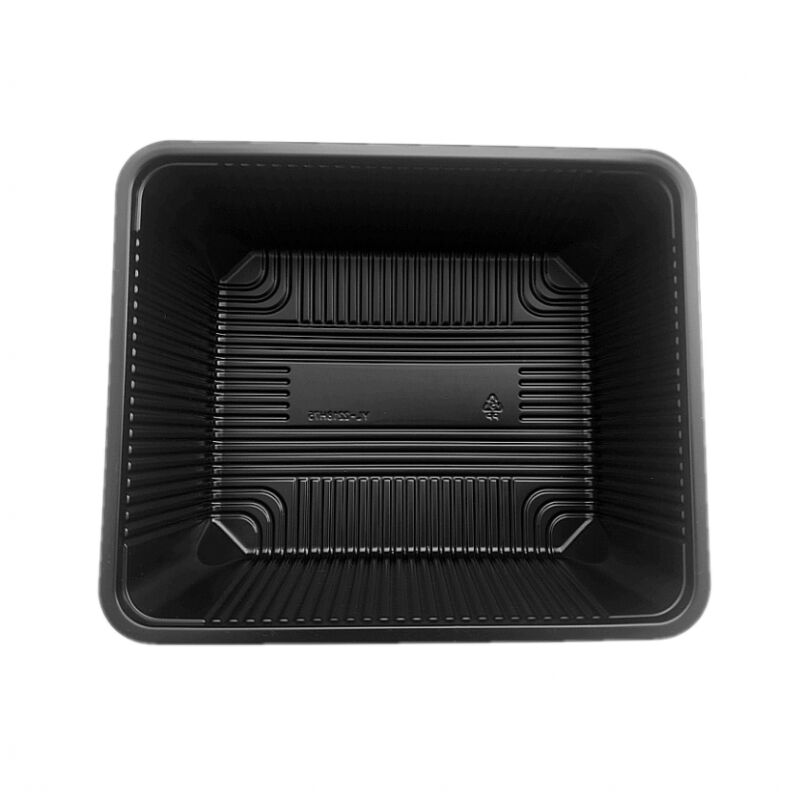
Clear or colored rigid plastic trays offer greater durability compared to their foam counterparts. These containers often utilize materials like PET (polyethylene terephthalate) or PP (polypropylene), which demonstrate better temperature resistance. Some rigid plastic meat trays can withstand freezer temperatures without becoming brittle, though their microwave safety varies depending on the specific plastic type.
Manufacturers often design these sturdier plastic meat trays with specific temperature ranges in mind, and many include recycling codes that indicate their composition and safe usage parameters. Understanding these codes becomes essential for determining appropriate storage and heating methods.
Microwave Safety Guidelines
Temperature Limitations
When it comes to microwaving plastic meat trays, safety concerns extend beyond mere melting points. High temperatures can cause certain plastics to release harmful chemicals into food. Most standard meat trays from grocery stores are designed for single use and lack the necessary heat resistance for microwave reheating. Even trays marked as microwave-safe may have specific temperature limitations.
Professional food safety experts recommend transferring food to dedicated microwave-safe containers rather than risking potential contamination from single-use plastic meat trays. This precaution ensures both food safety and optimal heating results while preventing possible chemical leaching.
Safe Alternative Practices
Instead of using original plastic meat trays for reheating, consider investing in quality microwave-safe containers specifically designed for high-temperature applications. These alternatives often feature specially formulated plastics or glass construction that can withstand repeated heating cycles without degradation or chemical release.
When handling hot foods, proper container selection becomes crucial for both safety and food quality. Microwave-safe glass, ceramic, or specifically labeled microwave-approved plastic containers offer reliable alternatives to disposable meat trays. These materials maintain their integrity under high temperatures and don't risk contaminating food with unwanted substances.
Freezer Storage Considerations
Temperature Impact on Materials
Freezer storage presents unique challenges for plastic meat trays. While some rigid plastic containers can withstand freezing temperatures, standard foam plastic meat trays may become brittle and crack when frozen. This degradation can compromise both food safety and storage effectiveness. Extended freezer storage in original packaging may lead to freezer burn or absorption of unwanted flavors.
The extreme cold of freezer environments affects different plastic materials in varying ways. Some may become increasingly fragile, while others maintain their structural integrity. Understanding these material properties helps in making informed decisions about long-term storage solutions.
Proper Freezer Storage Methods
For optimal freezer storage, consider repackaging meats from their original plastic meat trays into freezer-specific containers or heavy-duty freezer bags. This approach not only protects food quality but also prevents potential container deterioration. Proper wrapping techniques and airtight sealing become essential for maintaining food freshness and preventing freezer burn.
Professional food storage practices often involve removing meat from original packaging and using designated freezer containers or vacuum-sealed bags. These methods provide better protection against temperature fluctuations and maintain food quality for extended periods.
Best Practices for Food Safety
Storage Duration Guidelines
Understanding appropriate storage times for different types of meat products helps maintain food safety and quality. While plastic meat trays work well for short-term refrigerated storage, extended storage requires more suitable packaging methods. Different meats have varying optimal storage periods, whether in the refrigerator or freezer.
Professional food safety guidelines recommend transferring meats to appropriate storage containers within 1-2 days of purchase if planning for longer-term storage. This practice helps maintain food quality and prevents potential issues with container degradation or contamination.
Safe Handling Procedures
Proper handling of plastic meat trays involves careful attention to temperature transitions and cross-contamination prevention. When moving foods between storage temperatures, allowing for appropriate thawing times and using proper containers becomes crucial for maintaining food safety standards.
Following professional food handling procedures helps minimize risks associated with bacterial growth and ensures optimal food quality. This includes proper cleaning of storage containers, maintaining appropriate temperature zones, and using suitable packaging materials for different storage needs.
Frequently Asked Questions
Can I reuse plastic meat trays from the grocery store?
While plastic meat trays are designed for single use, some rigid varieties might be reusable after thorough cleaning. However, food safety experts generally recommend against reusing disposable meat trays due to potential bacterial contamination and material degradation concerns. Instead, invest in dedicated food storage containers for repeated use.
How can I tell if a plastic meat tray is freezer-safe?
Look for specific freezer-safe markings or symbols on the container. Rigid plastic trays marked with recycling codes 1 (PET) or 5 (PP) typically handle freezing better than foam trays. However, for best results, transfer meat to dedicated freezer containers or freezer bags for long-term storage.
What are the signs that a plastic meat tray has been damaged by temperature?
Watch for warping, discoloration, cracks, or changes in texture. If a tray shows any of these signs, particularly after exposure to high temperatures or freezing, transfer the food to a new container immediately. Damaged trays may release harmful substances or fail to protect food adequately.