
 EN
EN
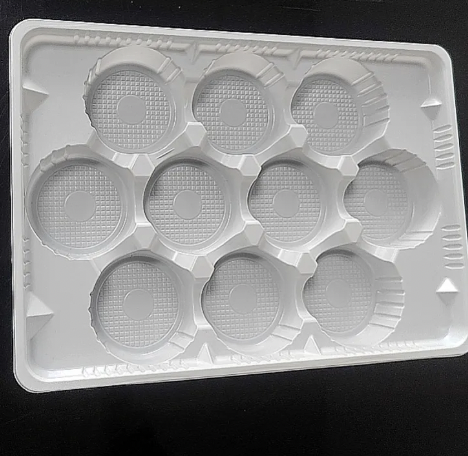
In today's competitive food market, the visual presentation of your product can make or break consumer purchasing decisions. When it comes to frozen dumplings and similar food products, effective dumpling packaging serves as the first point of contact between your brand and potential customers. The packaging design not only protects the product during transportation and storage but also communicates your brand's values, quality standards, and market positioning. Understanding how to create compelling dumpling packaging that resonates with your target audience while maintaining functionality is essential for building a successful food brand in the modern marketplace.
Understanding Consumer Psychology in Food Packaging Design
Visual Impact and First Impressions
The psychology behind consumer behavior reveals that shoppers make purchasing decisions within seconds of seeing a product on the shelf. For dumpling packaging, this means your design must immediately convey quality, freshness, and appetizing appeal. Colors play a crucial role in this process, with warm tones like golden yellows and rich oranges often associated with comfort food and home cooking. Research shows that consumers associate certain color combinations with specific flavors and cultural authenticity, making color selection a strategic decision rather than an aesthetic choice.
Typography also influences consumer perception significantly. Traditional fonts can evoke heritage and authenticity, while modern sans-serif typefaces suggest innovation and premium quality. The balance between these elements must align with your brand positioning and target demographic preferences. Additionally, the visual hierarchy of information on your packaging should guide the consumer's eye naturally from the brand name to product details, creating a seamless visual journey that enhances brand recall.
Cultural Considerations and Market Segmentation
Different consumer segments respond to various cultural cues and design elements when evaluating food products. For dumpling packaging targeting Asian communities, incorporating subtle cultural elements such as traditional patterns, appropriate color schemes, and culturally relevant imagery can create emotional connections with consumers. However, for mainstream markets, the approach might focus more on universal appeal, emphasizing quality ingredients, cooking convenience, and family-friendly messaging.
Market research indicates that younger consumers often gravitate toward packaging with modern, minimalist designs that suggest premium quality and Instagram-worthy presentation. Conversely, older demographics may prefer more traditional packaging designs that emphasize value, family recipes, and established brand heritage. Understanding these preferences allows you to tailor your dumpling packaging design to specific market segments while maintaining brand consistency across different product lines.
Material Selection and Functional Design Elements
Protective Features and Product Integrity
The functional aspects of dumpling packaging are just as important as visual appeal. The material selection must provide adequate protection against freezer burn, moisture loss, and physical damage during handling and transportation. Modern packaging materials offer various barrier properties that can extend shelf life while maintaining product quality. Multi-layer films with oxygen barriers, moisture barriers, and seal integrity are essential for frozen dumpling products that require extended storage periods.
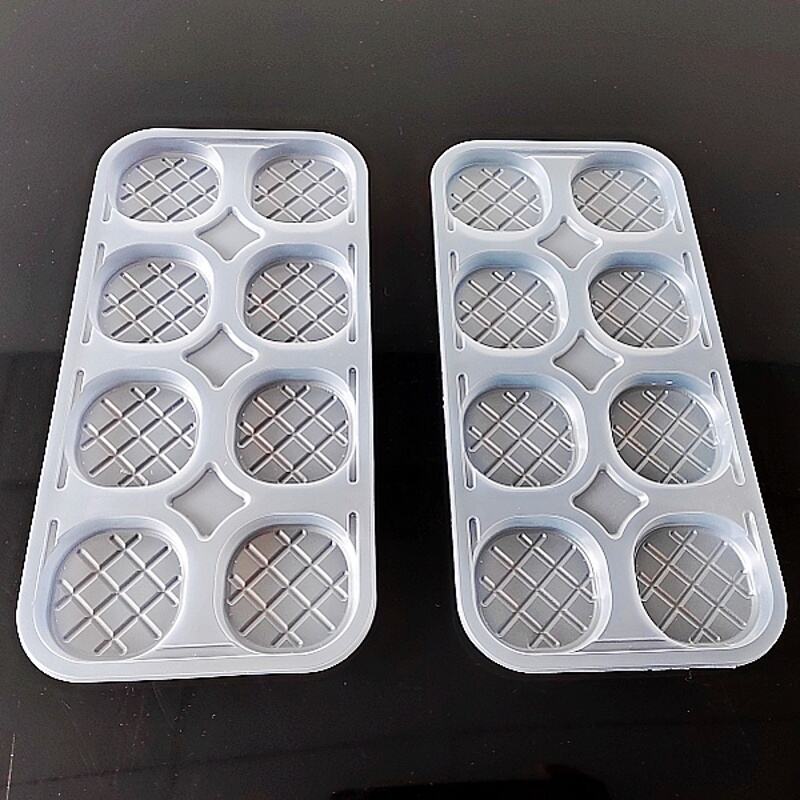
Tray design plays a critical role in maintaining product presentation and preventing damage during distribution. Individual cavity systems allow each dumpling to maintain its shape and prevent sticking, which is particularly important for premium products where visual appeal directly correlates with perceived value. The depth and spacing of cavities must accommodate different dumpling sizes and shapes while optimizing package dimensions for efficient storage and display.
Sustainability and Environmental Considerations
Contemporary consumers increasingly prioritize environmentally responsible packaging solutions. Incorporating recyclable materials, reducing overall packaging volume, and clearly communicating environmental benefits can significantly enhance brand appeal. Bio-based materials and compostable options are becoming more viable for dumpling packaging applications, though they must maintain the necessary barrier properties and shelf stability required for frozen food products.
Sustainable packaging design also extends to optimization of material usage and transportation efficiency. Lightweight designs that maintain structural integrity can reduce shipping costs and environmental impact while appealing to environmentally conscious consumers. Clear labeling of recycling instructions and environmental benefits helps consumers make informed choices and reinforces your brand's commitment to sustainability.
Branding Integration and Visual Identity Development
Logo Placement and Brand Recognition
Strategic logo placement on dumpling packaging ensures maximum brand visibility and recognition. The primary logo position should be prominently displayed on the front panel, while secondary brand elements can appear on side panels and back information areas. The size relationship between your logo and other package elements should reflect your brand's market position and help establish visual hierarchy that guides consumer attention effectively.
Brand consistency across different package sizes and product variants helps build recognition and trust over time. This includes maintaining consistent color schemes, typography choices, and design elements that create a cohesive brand family appearance on retail shelves. Even when adapting designs for different market segments or seasonal variations, core brand elements should remain recognizable to maintain brand equity and consumer loyalty.
Product Information and Regulatory Compliance
Effective dumpling packaging must balance attractive design with necessary product information and regulatory requirements. Nutritional information, ingredient lists, cooking instructions, and storage guidelines must be clearly presented without overwhelming the overall design aesthetic. Strategic use of typography, spacing, and information hierarchy can make required text elements feel integrated rather than afterthoughts.
Multilingual labeling requirements in diverse markets add complexity to design layouts but also present opportunities to demonstrate cultural awareness and inclusivity. Careful planning of text placement and font sizing ensures that all required information remains legible while maintaining visual appeal. Additionally, clear cooking instructions and serving suggestions can enhance the consumer experience and encourage repeat purchases.
Market Research and Consumer Testing Strategies
Focus Group Methodologies
Conducting thorough market research before finalizing your dumpling packaging design can prevent costly mistakes and ensure market acceptance. Focus groups provide valuable insights into consumer preferences, emotional responses, and purchasing motivations related to packaging design elements. These sessions should include diverse demographic representation to capture varying perspectives and preferences within your target market segments.
Testing multiple design variations allows you to identify the most effective combination of visual elements, messaging, and functional features. Participants can provide feedback on color preferences, perceived quality levels, price expectations, and emotional connections to different design approaches. This feedback should be analyzed alongside purchasing intent data to understand the correlation between design preferences and actual buying behavior.
Retail Environment Testing
Packaging design effectiveness must be evaluated within the actual retail environment where consumers encounter your products. Shelf visibility, competitor comparison, and shopping behavior observations provide crucial insights that laboratory testing cannot replicate. Mock retail displays allow you to assess how your dumpling packaging performs among competing products and whether it achieves the desired shelf impact.
Eye-tracking studies can reveal how consumers visually navigate your packaging design and identify areas that attract or lose attention. This information helps optimize the placement of key elements like brand names, product benefits, and call-to-action messages. Understanding the typical viewing time and attention patterns for your category helps inform design decisions that maximize impact within limited consumer attention spans.
Production Considerations and Cost Optimization
Manufacturing Efficiency and Scalability
Designing dumpling packaging that can be efficiently manufactured at scale requires careful consideration of production processes and equipment capabilities. Complex designs with multiple colors, special finishes, or intricate die-cuts may create beautiful packages but can significantly increase production costs and lead times. Balancing visual impact with manufacturing practicality ensures that your packaging design remains economically viable as production volumes increase.
Standardizing certain design elements across product lines can create economies of scale in production while maintaining brand consistency. Common base designs with variable elements for different products or flavors allow for efficient inventory management and reduced setup costs. This approach also simplifies quality control processes and reduces the risk of production errors that could compromise package integrity or visual appeal.
Supply Chain Integration
Your dumpling packaging design must integrate seamlessly with existing supply chain processes and distribution requirements. Package dimensions should optimize case packing efficiency and palletization for cost-effective transportation. Additionally, the packaging must withstand the rigors of cold chain distribution while maintaining structural integrity and visual appeal throughout the journey from manufacturer to consumer.
Collaboration with packaging suppliers during the design phase helps identify potential production challenges and optimization opportunities early in the development process. Supplier expertise in materials science, manufacturing processes, and regulatory compliance can inform design decisions that improve both functionality and cost-effectiveness. This collaborative approach often leads to innovative solutions that enhance both the consumer experience and operational efficiency.
Digital Integration and Modern Marketing Approaches
QR Codes and Interactive Elements
Modern dumpling packaging design can incorporate digital elements that extend the consumer experience beyond the physical product. QR codes strategically placed on packaging can link to recipe videos, cooking tips, brand stories, or loyalty program enrollment. These digital touchpoints create opportunities for ongoing consumer engagement and data collection that can inform future product development and marketing strategies.
Interactive packaging elements should enhance rather than complicate the consumer experience. The placement and design of digital elements must feel natural and valuable rather than intrusive or gimmicky. Clear value propositions for scanning codes or engaging with digital content increase participation rates and strengthen brand relationships. Additionally, digital elements provide measurable insights into consumer behavior and engagement levels that traditional packaging cannot offer.
Social Media Optimization
In an era where consumers frequently share food experiences on social media platforms, dumpling packaging design should consider photogenic qualities and shareability factors. Packaging that photographs well under various lighting conditions can generate organic social media exposure and word-of-mouth marketing. Design elements that encourage user-generated content, such as hashtag suggestions or photo-friendly layouts, can amplify brand reach through consumer advocacy.
Color schemes and design elements should translate effectively across different digital platforms and screen types. What appears vibrant and appealing in physical form must maintain its impact when photographed and shared online. Testing package designs under various lighting conditions and camera settings helps ensure consistent visual appeal across both physical and digital environments.
FAQ
What are the most important factors to consider when designing dumpling packaging for retail success?
The most critical factors include visual impact for shelf visibility, functional protection for product integrity, clear brand communication, and cost-effective manufacturing. Your design must immediately convey quality and appetite appeal while providing adequate barrier properties for frozen storage. Additionally, regulatory compliance and information hierarchy ensure that required details are clearly communicated without compromising visual appeal.
How can sustainable packaging materials be incorporated into dumpling packaging without compromising functionality?
Modern bio-based and recyclable materials can provide adequate barrier properties for frozen dumpling applications when properly engineered. Multi-layer constructions using renewable materials combined with minimal conventional barriers can achieve the necessary protection while improving environmental credentials. Working with experienced packaging suppliers helps identify sustainable options that meet both functional requirements and cost targets while appealing to environmentally conscious consumers.
What design elements help differentiate premium dumpling products from value-oriented competitors?
Premium positioning typically incorporates sophisticated color palettes, high-quality photography or illustrations, premium materials with special finishes, and refined typography. Individual cavity protection systems and clear product visibility windows suggest quality and attention to detail. Additionally, storytelling elements about ingredients, preparation methods, or cultural heritage can justify premium pricing while creating emotional connections with consumers.
How should dumpling packaging design vary between different target markets and demographics?
Market-specific design adaptations should consider cultural preferences, shopping behaviors, and value perceptions of different consumer segments. Asian markets may respond well to traditional design elements and authentic cultural cues, while mainstream markets might prefer modern, clean designs emphasizing convenience and quality. Younger demographics often favor minimalist aesthetics and sustainability messaging, while older consumers may prefer traditional approaches emphasizing value and family appeal. However, core brand elements should remain consistent to maintain brand recognition across all market segments.
Table of Contents
- Understanding Consumer Psychology in Food Packaging Design
- Material Selection and Functional Design Elements
- Branding Integration and Visual Identity Development
- Market Research and Consumer Testing Strategies
- Production Considerations and Cost Optimization
- Digital Integration and Modern Marketing Approaches
-
FAQ
- What are the most important factors to consider when designing dumpling packaging for retail success?
- How can sustainable packaging materials be incorporated into dumpling packaging without compromising functionality?
- What design elements help differentiate premium dumpling products from value-oriented competitors?
- How should dumpling packaging design vary between different target markets and demographics?