
 EN
EN
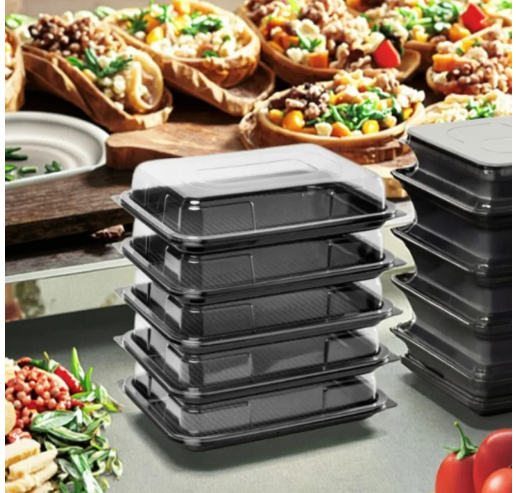
When selecting packaging solutions for food service operations, understanding the essential characteristics of sandwich boxes becomes crucial for maintaining food quality and customer satisfaction. These specialized containers serve as the primary barrier between freshly prepared sandwiches and external elements that could compromise taste, texture, and safety. Modern food businesses recognize that choosing the right sandwich boxes directly impacts operational efficiency, brand perception, and ultimately, customer retention rates.

The food packaging industry has evolved significantly, with manufacturers developing sophisticated solutions that address multiple concerns simultaneously. Today's sandwich boxes must balance protection, presentation, environmental responsibility, and cost-effectiveness while meeting stringent food safety regulations. Restaurant owners, catering companies, and food truck operators increasingly demand packaging that enhances their brand image while providing practical benefits throughout the supply chain.
Material Composition and Food Safety Standards
Food-Grade Materials and Certifications
The foundation of any quality sandwich box lies in its material composition, which must comply with food safety regulations established by health authorities. Food-grade materials prevent chemical migration into food products, ensuring that sandwiches maintain their intended flavor profiles without contamination risks. Buyers should specifically look for containers manufactured from materials that have received FDA approval or equivalent international certifications, as these designations guarantee safety for direct food contact applications.
Modern sandwich boxes typically utilize materials such as recycled paperboard, virgin cardboard, or specialized biodegradable composites that meet stringent safety standards. Each material type offers distinct advantages regarding barrier properties, structural integrity, and environmental impact. Understanding these material differences enables buyers to make informed decisions based on their specific operational requirements and sustainability goals.
Barrier Properties and Contamination Prevention
Effective barrier properties in sandwich boxes prevent moisture transfer, grease penetration, and external contaminant infiltration. High-quality containers feature specialized coatings or laminations that create protective barriers without compromising recyclability or biodegradability. These barrier technologies ensure that sandwich fillings remain fresh while preventing packaging deterioration that could affect food presentation and safety.
Advanced barrier systems also address specific challenges such as preventing soggy bread, maintaining crispy vegetables, and preserving delicate sauces or dressings. The most effective sandwich boxes incorporate multiple barrier technologies that work synergistically to extend shelf life and maintain optimal eating experiences for consumers.
Structural Design and Functionality Features
Closure Mechanisms and Security
The closure system of sandwich boxes plays a critical role in maintaining food integrity during transportation and storage. Effective closure mechanisms must provide secure sealing while remaining user-friendly for both food service workers and end consumers. Traditional tab-and-slot closures offer reliable security, while modern magnetic closures or adhesive strips provide enhanced sealing capabilities for premium applications.
Advanced closure designs also consider the unboxing experience, which has become increasingly important in today's social media-driven food culture. Boxes that open smoothly without tearing or requiring excessive force create positive impressions that can enhance brand perception and encourage repeat business. The best closure systems balance security, functionality, and aesthetic appeal to support overall marketing objectives.
Ventilation and Moisture Management
Proper ventilation design prevents condensation buildup that can compromise sandwich quality and create unsafe conditions for bacterial growth. Strategic placement of micro-perforations or ventilation panels allows controlled air circulation while maintaining protective barriers against external contamination. This ventilation approach helps preserve the texture contrast between different sandwich components, preventing soggy bread while maintaining filling freshness.
Moisture management systems in premium sandwich boxes often incorporate absorbent materials or specialized liner technologies that actively manage humidity levels within the container. These advanced systems prove particularly valuable for sandwiches containing high-moisture ingredients such as tomatoes, pickles, or specialty sauces that could otherwise compromise overall product quality during extended storage periods.
Size Variations and Customization Options
Standard Dimensions and Capacity Considerations
Sandwich boxes are available in various standardized dimensions designed to accommodate different sandwich types and serving sizes. Common configurations include compact options for individual sandwiches, medium sizes for club sandwiches or paninis, and large formats for oversized specialty sandwiches or multiple-item combinations. Understanding these size categories helps buyers select appropriate packaging that maximizes space efficiency while providing adequate protection.
Capacity considerations extend beyond simple dimensional measurements to include height requirements for thick sandwiches, width specifications for elongated submarine-style offerings, and depth measurements that accommodate garnishes or side items. Professional food service operations benefit from maintaining consistent box sizes that align with their menu offerings while optimizing storage space and transportation efficiency.
Custom Branding and Marketing Opportunities
Modern sandwich boxes serve dual purposes as packaging containers and marketing vehicles that extend brand visibility beyond the point of sale. Custom printing options allow businesses to incorporate logos, brand colors, nutritional information, and promotional messages directly onto packaging surfaces. High-quality printing techniques ensure that branding elements remain vibrant and professional throughout the distribution process.
Advanced customization options include specialized finishes such as matte or gloss coatings, embossed textures, or premium paper stocks that elevate perceived value and differentiate products in competitive markets. Smart businesses leverage packaging customization to communicate brand values, promote special offers, or provide useful information such as ingredient lists or social media handles that encourage customer engagement.
Environmental Impact and Sustainability Features
Recyclability and Waste Reduction
Environmental consciousness has become a decisive factor in packaging selection, with consumers and businesses increasingly prioritizing sustainable solutions. Quality sandwich boxes should feature recyclable materials that can be processed through standard municipal recycling systems without requiring specialized handling or separation procedures. Clear recyclability markings help consumers properly dispose of packaging materials, supporting circular economy principles.
Waste reduction strategies in modern sandwich box design include lightweighting initiatives that reduce material usage without compromising structural integrity, modular designs that eliminate unnecessary components, and manufacturing processes that minimize production waste. These approaches help businesses reduce their environmental footprint while often achieving cost savings through more efficient material utilization.
Biodegradable and Compostable Options
Biodegradable sandwich boxes offer advantages in markets where composting infrastructure exists or where businesses operate their own composting programs. These containers break down naturally under appropriate conditions, eliminating long-term waste accumulation concerns. However, buyers should verify that biodegradable options maintain adequate performance characteristics throughout their intended use period, particularly regarding moisture resistance and structural integrity.
Compostable packaging represents the premium tier of sustainable sandwich box options, featuring materials that break down completely in commercial composting facilities within specified timeframes. These solutions often carry certifications from recognized standards organizations, providing third-party verification of their environmental claims and composting performance characteristics.
Cost Considerations and Value Analysis
Initial Investment and Long-Term Economics
While premium sandwich boxes may require higher initial investments compared to basic alternatives, comprehensive cost analysis often reveals superior long-term value through reduced food waste, enhanced customer satisfaction, and improved operational efficiency. Quality packaging reduces the likelihood of product damage during transportation, minimizing costly replacements and maintaining profit margins on high-value menu items.
Economic factors extend beyond simple unit costs to include storage requirements, handling efficiency, and brand enhancement value that quality packaging provides. Businesses should evaluate total cost of ownership rather than focusing solely on purchase prices, considering factors such as storage space optimization, reduced labor costs for assembly, and potential premium pricing opportunities that superior packaging enables.
Volume Purchasing and Supply Chain Benefits
Strategic purchasing approaches can significantly impact the economics of sandwich box procurement, with volume discounts often available for businesses willing to commit to larger quantities or longer-term supply agreements. However, buyers must balance potential savings against storage costs, inventory management complexity, and the risk of material degradation during extended storage periods.
Supply chain reliability becomes crucial for food service operations that cannot afford packaging shortages during peak business periods. Established suppliers typically offer better inventory management support, consistent quality standards, and reliable delivery schedules that help businesses maintain operational continuity while optimizing their packaging costs through strategic procurement practices.
FAQ
What materials are considered safest for direct food contact in sandwich boxes
Food-grade materials that meet FDA approval or equivalent international standards provide the safest options for direct food contact applications. Virgin paperboard, recycled cardboard with appropriate barrier coatings, and certified biodegradable composites all offer excellent safety profiles when properly manufactured and certified by recognized testing organizations.
How do I determine the right size sandwich box for my menu items
Measure your largest sandwich offerings including height, width, and depth requirements, then add approximately 10-15% clearance space to ensure comfortable fit without compression. Consider standardizing on one or two box sizes that accommodate most menu items to simplify inventory management while ensuring adequate protection for all products.
Are custom printed sandwich boxes worth the additional investment
Custom printing provides significant marketing value by extending brand visibility beyond the point of sale and creating professional presentations that justify premium pricing. The return on investment typically justifies the additional costs for businesses focused on brand building and customer retention, particularly in competitive markets where differentiation is crucial.
What should I look for in terms of environmental certifications
Look for certifications from recognized organizations such as the Forest Stewardship Council for sustainable sourcing, Biodegradable Products Institute for compostability claims, or similar regional certification bodies. These third-party verifications ensure that environmental claims are legitimate and that packaging materials meet established sustainability standards rather than relying solely on manufacturer assertions.