
 EN
EN
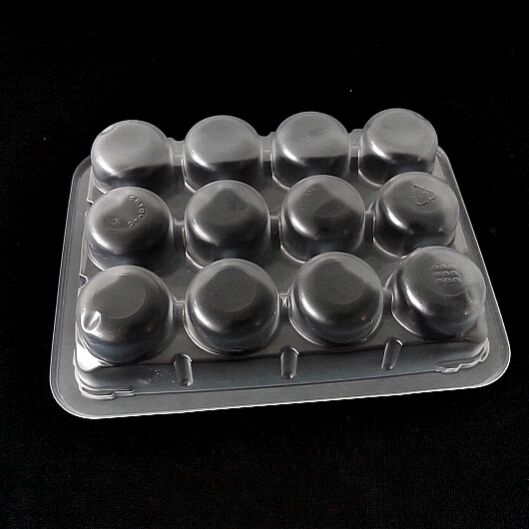
The evolution of blister packaging design has revolutionized how consumers interact with products across industries, from pharmaceuticals to consumer electronics. Modern blister packaging design combines enhanced functionality with user-centric features that prioritize accessibility, sustainability, and brand appeal. As manufacturers continue to innovate, the focus has shifted toward creating packaging solutions that not only protect products but also deliver exceptional user experiences while meeting stringent regulatory requirements and environmental standards.
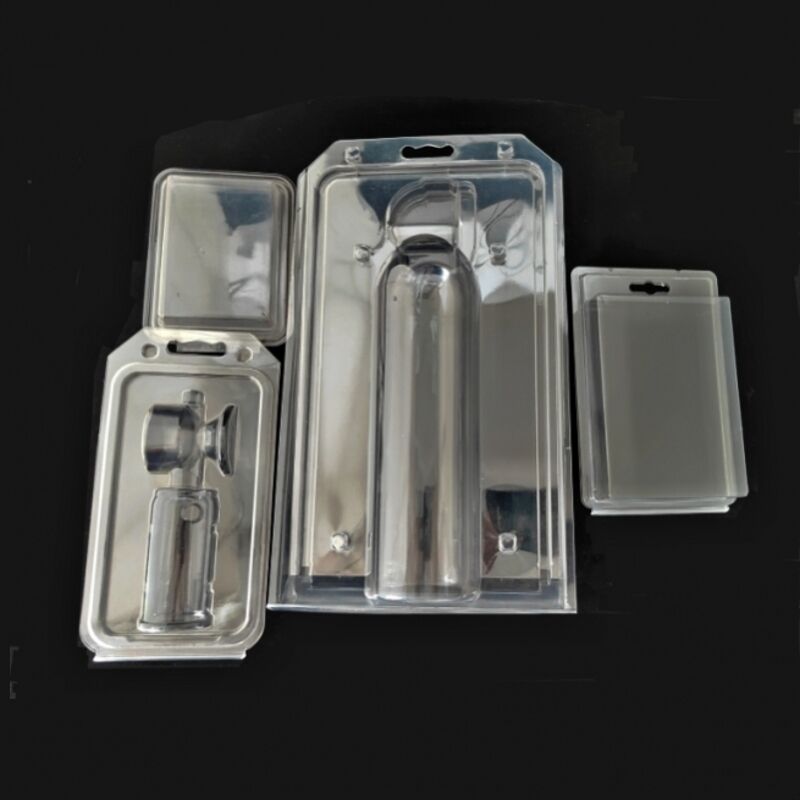
Advanced Materials and Barrier Technologies
Next-Generation Polymer Solutions
Contemporary blister packaging design incorporates cutting-edge polymer materials that offer superior barrier properties while maintaining cost-effectiveness. These advanced materials include cyclic olefin copolymers and specialized polyethylene terephthalate formulations that provide enhanced moisture and oxygen protection. The integration of these materials allows manufacturers to create thinner yet more durable packaging that reduces material usage without compromising product integrity. Modern polymer blends also offer improved clarity and chemical resistance, making them ideal for sensitive pharmaceutical and food applications where product visibility and contamination prevention are paramount.
The development of bio-based polymers has introduced sustainable alternatives that maintain performance standards expected in traditional blister packaging applications. These materials undergo rigorous testing to ensure they meet pharmaceutical-grade requirements while offering improved end-of-life disposal options. Manufacturers are increasingly adopting these innovative materials as part of their commitment to environmental responsibility without sacrificing the protective qualities essential for product safety and shelf life extension.
Smart Barrier Coatings
Innovation in barrier coating technology has enabled the creation of ultra-thin protective layers that significantly enhance product protection capabilities. These specialized coatings can be applied to various substrate materials to create customized barrier properties tailored to specific product requirements. Advanced coating formulations include aluminum oxide and silicon oxide vapor-deposited layers that provide exceptional moisture and gas barrier performance while maintaining transparency and flexibility.
The application of nanotechnology in barrier coatings has opened new possibilities for creating packaging with unprecedented protective capabilities. Nanocomposite coatings incorporate microscopic particles that create tortuous pathways for gas and moisture penetration, effectively extending product shelf life. These coatings can be engineered to provide selective permeability, allowing controlled gas exchange while blocking harmful environmental factors that could compromise product quality.
User-Centric Design Innovations
Enhanced Accessibility Features
Modern blister packaging design prioritizes accessibility for users with varying physical capabilities and dexterity levels. Easy-open technologies include perforated backing materials, tear strips, and push-through designs that require minimal force while maintaining tamper-evidence properties. These features are particularly crucial in pharmaceutical applications where elderly patients or those with arthritis may struggle with traditional blister packs.
Tactile indicators and Braille markings are increasingly incorporated into blister packaging to assist visually impaired users. These accessibility features are seamlessly integrated into the overall design aesthetic while providing essential functionality. Color contrast optimization and enlarged text printing ensure that critical information remains visible and legible across diverse user demographics. The implementation of universal design principles ensures that packaging remains functional and appealing to all users regardless of their physical limitations.
Intuitive Opening Mechanisms
Revolutionary opening mechanisms have transformed the user experience associated with blister packaging. Peel-back systems eliminate the need for excessive force while maintaining product security and tamper evidence. These systems utilize specialized adhesive formulations that provide strong initial bonds but release cleanly when proper opening techniques are employed. The development of directional opening indicators guides users through the optimal opening process, reducing frustration and potential injury.
Child-resistant features have evolved beyond traditional push-and-turn mechanisms to include more sophisticated designs that balance accessibility for adults with safety for children. Modern child-resistant blister packaging employs sequential opening steps or requires simultaneous actions that are challenging for young children but manageable for adults. These innovations maintain compliance with safety regulations while improving user satisfaction and reducing packaging-related injuries.
Sustainability and Environmental Considerations
Recyclable Material Integration
The integration of recyclable materials in blister packaging design reflects growing environmental consciousness within the packaging industry. Manufacturers are developing mono-material structures that eliminate the need for complex separation processes during recycling. These designs utilize compatible polymer combinations that can be processed together in standard recycling facilities, significantly improving the packaging's end-of-life environmental impact.
Post-consumer recycled content integration allows manufacturers to close the loop on packaging materials while maintaining performance standards. Advanced sorting and purification technologies enable the incorporation of recycled materials without compromising barrier properties or aesthetic appeal. The use of recycled content varies depending on application requirements, with non-direct food contact applications accommodating higher recycled content percentages while maintaining regulatory compliance.
Biodegradable and Compostable Options
Biodegradable blister packaging options utilize materials derived from renewable resources that break down naturally under appropriate conditions. These materials include modified polylactic acid and polyhydroxyalkanoate formulations that maintain packaging performance while offering improved environmental disposal options. The development of home-compostable blister packaging represents a significant advancement in sustainable packaging technology, allowing consumers to dispose of packaging through organic waste streams.
Industrial composting compatibility ensures that biodegradable blister packaging can be processed in commercial composting facilities where higher temperatures and controlled conditions accelerate decomposition. Certification programs verify the compostability claims of these materials, providing consumers and waste management facilities with confidence in proper disposal methods. The balance between biodegradability and shelf life performance continues to improve as material science advances enable longer-lasting biodegradable formulations.
Digital Integration and Smart Packaging
QR Codes and NFC Technology
Digital integration in blister packaging design enables enhanced consumer engagement and product authentication capabilities. Quick Response codes and Near Field Communication technology provide access to detailed product information, usage instructions, and authenticity verification systems. These digital elements are seamlessly integrated into the packaging design without compromising aesthetic appeal or functionality, offering manufacturers new channels for consumer communication and brand engagement.
Track and trace capabilities enabled by digital integration support supply chain transparency and anti-counterfeiting efforts. Each package can carry unique digital identifiers that allow consumers and healthcare providers to verify product authenticity and track the product's journey from manufacturing to consumption. This technology is particularly valuable in pharmaceutical applications where counterfeit products pose significant health risks and regulatory compliance requires detailed documentation of product handling.
Temperature and Condition Monitoring
Advanced sensor integration enables real-time monitoring of environmental conditions that could affect product quality. Temperature-sensitive indicators change color or pattern when products are exposed to conditions outside acceptable ranges, providing immediate visual feedback to consumers and supply chain partners. These indicators are particularly crucial for temperature-sensitive pharmaceuticals and biologics where exposure to inappropriate conditions can render products ineffective or dangerous.
Humidity and shock indicators provide additional layers of product protection by alerting users to potential quality compromises during storage and transportation. These monitoring systems can be integrated into the blister packaging structure or applied as labels that activate under specific conditions. The data collected by these systems can be transmitted wirelessly to monitoring systems that track product condition throughout the supply chain, enabling proactive quality management and reducing waste from compromised products.
Manufacturing Process Innovations
Precision Thermoforming Techniques
Advanced thermoforming technologies enable the creation of complex blister packaging geometries with precise dimensional control and enhanced aesthetic appeal. Multi-station forming processes allow for the integration of multiple materials and features in a single manufacturing operation, reducing production costs while improving packaging functionality. Computer-controlled heating and cooling systems ensure consistent wall thickness distribution and optimal material properties throughout the formed structure.
Innovative tooling designs incorporate conformal cooling channels and advanced surface treatments that improve cycle times and surface quality. These manufacturing improvements enable the production of blister packaging with intricate details and premium finishes that enhance brand appeal while maintaining cost-effectiveness. The integration of in-line quality control systems ensures that each package meets strict dimensional and aesthetic standards before leaving the production line.
Automated Assembly and Quality Control
Robotic assembly systems have revolutionized blister packaging production by improving consistency, speed, and quality while reducing labor costs and human error. Vision-guided robots can handle delicate products and perform precise placement operations that ensure optimal product presentation and protection. These systems can be rapidly reconfigured for different product sizes and packaging formats, providing manufacturers with flexibility to respond quickly to market demands.
Integrated quality control systems utilize advanced imaging and sensing technologies to detect defects and ensure package integrity throughout the production process. High-resolution cameras and laser scanning systems can identify microscopic defects that could compromise package performance or aesthetic appeal. Statistical process control systems analyze production data in real-time to identify trends and prevent quality issues before they result in defective products reaching consumers.
FAQ
What makes modern blister packaging more user-friendly than traditional designs
Modern blister packaging incorporates easy-open features such as perforated backing materials, tear strips, and reduced-force opening mechanisms that require less manual dexterity and strength. These designs maintain product protection and tamper evidence while significantly improving accessibility for elderly users and those with limited hand strength. Additionally, clear opening instructions and tactile indicators guide users through the proper opening process, reducing frustration and potential injuries associated with difficult-to-open packages.
How do sustainable materials affect the performance of blister packaging
Sustainable materials in blister packaging design maintain comparable barrier properties and product protection capabilities to traditional materials through advanced material engineering and processing techniques. Bio-based polymers and recycled content materials undergo extensive testing to ensure they meet pharmaceutical-grade requirements and provide adequate shelf life protection. While some sustainable materials may have slightly different processing requirements or cost implications, they generally offer equivalent performance when properly formulated and manufactured.
What role does digital technology play in modern blister packaging
Digital technology integration enables enhanced consumer engagement through QR codes and NFC chips that provide access to product information, usage instructions, and authenticity verification systems. Smart packaging features include temperature and condition monitoring capabilities that alert users to potential quality compromises during storage and transportation. These technologies also support supply chain transparency and anti-counterfeiting efforts by providing unique digital identifiers that can be tracked throughout the product lifecycle.
How do manufacturers ensure blister packaging meets accessibility requirements
Manufacturers implement universal design principles that consider the needs of users with varying physical capabilities and incorporate features such as Braille markings, high-contrast text, and easy-open mechanisms that require minimal force. Accessibility testing involves diverse user groups including elderly individuals and those with disabilities to validate packaging performance across different user demographics. Regulatory compliance with accessibility standards ensures that packaging designs meet legal requirements while providing practical functionality for all users.