
 EN
EN
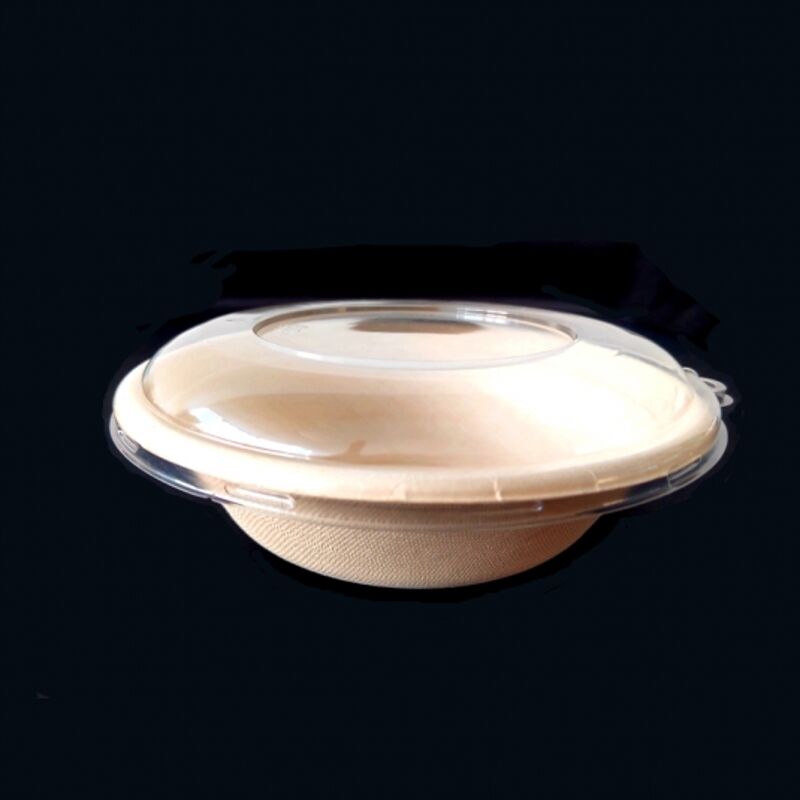
Roll over wrap trays represent a critical packaging solution for mass market applications, particularly in food service and retail environments. Understanding the production factors that define these specialized containers is essential for manufacturers seeking to deliver reliable, cost-effective packaging that meets the demanding requirements of high-volume distribution channels. The manufacturing process involves precise control over multiple variables that directly impact the final product's performance characteristics.
The production of roll over wrap trays for mass market use requires careful consideration of material selection, forming processes, dimensional tolerances, and quality control measures. These factors work together to create packaging solutions that can withstand the rigors of automated filling lines, transportation systems, and retail handling while maintaining product integrity and visual appeal. Each production parameter influences the tray's ability to perform consistently across diverse operational environments.
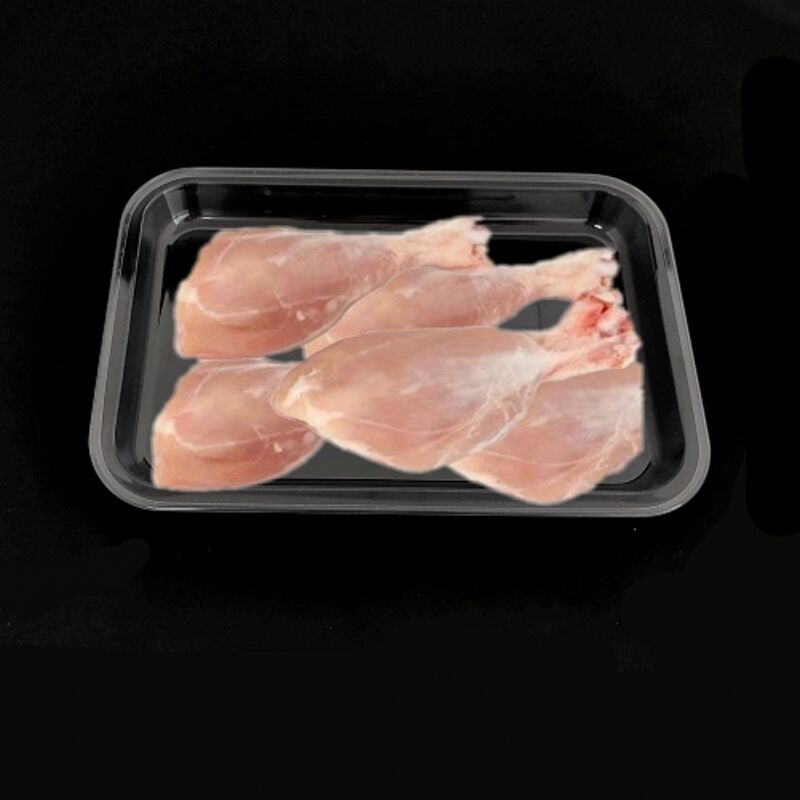
Material Composition and Selection Criteria
Primary Substrate Requirements
The foundation of effective roll over wrap trays begins with selecting appropriate substrate materials that balance performance characteristics with cost considerations. Polyethylene terephthalate (PET) emerges as the predominant choice for mass market applications due to its exceptional clarity, barrier properties, and thermoforming capabilities. The material thickness typically ranges from 0.5 to 1.2 millimeters, with specific gauge selection determined by the intended load capacity and handling requirements of the target application.
Recycled content integration has become increasingly important in roll over wrap tray production, with manufacturers incorporating post-consumer recycled (PCR) materials up to 30% by weight without compromising structural integrity. The crystalline structure of the base polymer must maintain consistent properties throughout the forming process, ensuring uniform wall thickness distribution and reliable sealing characteristics when subjected to modified atmosphere packaging protocols.
Advanced material formulations often include specialized additives that enhance specific performance attributes. Anti-fog agents prevent condensation buildup on interior surfaces, while UV stabilizers protect both the packaging and contents from light-induced degradation. These additives must be carefully balanced to avoid interference with recycling processes while delivering measurable benefits in real-world applications.
Barrier Property Engineering
Oxygen transmission rates represent a critical performance parameter for roll over wrap trays intended for perishable product packaging. Mass market applications typically require oxygen permeability levels below 10 cc/m²/day to ensure adequate shelf life extension without requiring expensive multi-layer constructions. The molecular orientation achieved during the thermoforming process significantly influences these barrier properties, making precise temperature and forming speed control essential.
Water vapor transmission characteristics must be engineered to match specific product requirements, with rates typically maintained below 3 grams per square meter per day for most food applications. The polymer's hygroscopic nature and processing conditions directly affect these properties, requiring careful monitoring of ambient moisture levels during production. Roll over wrap trays designed for frozen product applications often require enhanced moisture barrier performance to prevent ice crystal formation and maintain product quality.
Carbon dioxide permeability becomes particularly important for applications involving respiratory products or modified atmosphere packaging systems. The selective permeability characteristics of the tray material must complement the overall packaging system design, ensuring proper gas exchange rates that support product freshness while preventing unwanted atmospheric interactions.
Forming Process Parameters and Control
Temperature Management Systems
Thermoforming temperature profiles for roll over wrap trays require precise control to achieve consistent wall thickness distribution and dimensional accuracy. The heating zone typically operates between 160-180°C for PET substrates, with temperature uniformity maintained within ±3°C across the entire sheet width. Infrared heating systems provide rapid, even heat distribution while allowing for zone-specific temperature adjustments that accommodate varying tray geometries and wall thickness requirements.
Pre-heating duration directly affects the molecular orientation and crystallinity of the final product, influencing both mechanical properties and optical characteristics. Extended heating cycles can improve deep-draw capability but may compromise clarity and increase cycle times, requiring optimization based on specific tray designs and production volume targets. Advanced systems incorporate real-time temperature monitoring and feedback control to maintain consistent heating profiles throughout extended production runs.
Cooling rate management becomes equally critical in determining the final properties of roll over wrap trays. Controlled cooling prevents excessive shrinkage and warping while ensuring proper crystalline structure development. Multi-stage cooling systems allow for graduated temperature reduction that minimizes internal stress formation and optimizes dimensional stability in the finished product.
Forming Pressure and Vacuum Control
Vacuum forming pressure parameters for roll over wrap trays typically range from 0.6 to 0.9 bar, with specific settings determined by tray depth, corner radius requirements, and material thickness. The pressure differential must be sufficient to ensure complete material contact with mold surfaces while avoiding excessive thinning in high-draw areas. Progressive vacuum application helps control material flow and prevents web breakage during deep-draw operations.
Assist plug systems provide mechanical support during the forming process, particularly important for roll over wrap trays with complex geometries or deep sidewalls. The plug temperature, contact pressure, and timing must be carefully coordinated with vacuum application to achieve uniform wall thickness distribution. Improper plug operation can result in material webbing, incomplete corner formation, or excessive thinning that compromises tray performance.
Pressure hold times influence the final surface quality and dimensional accuracy of the formed trays. Extended hold periods ensure complete mold contact and minimize surface imperfections, but excessive dwell times can reduce production efficiency and potentially cause material degradation. Optimal hold times typically range from 2-5 seconds depending on material thickness and tray complexity.
Dimensional Specifications and Tolerance Management
Critical Dimension Control
Roll over wrap trays for mass market use must maintain stringent dimensional tolerances to ensure compatibility with automated filling equipment and packaging machinery. Overall length and width dimensions typically require tolerances of ±0.5mm, while depth measurements must be controlled within ±0.3mm to ensure proper product fit and sealing performance. These tight specifications demand careful mold design and precise process control throughout the production cycle.
Corner radius specifications directly impact both the structural integrity and filling characteristics of roll over wrap trays. Minimum radius requirements typically range from 2-4mm depending on material thickness and application requirements. Sharp corners can create stress concentration points that lead to cracking during handling, while excessive radii may interfere with product placement or reduce usable volume capacity.
Flange width and flatness characteristics are critical for effective sealing operations in mass market applications. The flange area must maintain consistent width dimensions typically within ±0.2mm to ensure proper heat seal formation and gas barrier integrity. Surface flatness across the flange area should not exceed 0.1mm deviation to prevent seal failures and maintain package integrity throughout the distribution chain.
Wall Thickness Distribution
Uniform wall thickness distribution in roll over wrap trays ensures consistent mechanical performance and prevents premature failure during use. Target wall thickness typically ranges from 60-80% of the original sheet thickness in the sidewall areas, with corner sections maintaining at least 50% of original gauge. Advanced forming techniques help minimize thickness variation and ensure adequate material distribution throughout complex tray geometries.
Bottom thickness retention becomes particularly important for roll over wrap trays designed to support heavy product loads during transportation and display. The bottom section should maintain 85-95% of original sheet thickness to provide adequate puncture resistance and structural support. Thickness monitoring systems help identify process variations that could compromise tray performance in real-world applications.
Rim thickness consistency affects both the visual appearance and functional performance of the finished trays. The rim area serves as the primary sealing surface and must maintain uniform thickness to ensure consistent heat seal quality. Variations in rim thickness can lead to uneven sealing pressure distribution and potential package failures during storage or transportation.
Quality Control and Testing Protocols
Physical Property Validation
Tensile strength testing protocols for roll over wrap trays evaluate the material's ability to withstand handling stresses and loading forces encountered in mass market applications. Standard test methods typically follow ASTM D638 procedures, with acceptance criteria requiring minimum tensile strength values of 50-60 MPa for PET-based trays. The testing frequency should include both incoming material verification and finished product sampling to ensure consistent performance characteristics.
Impact resistance testing simulates the handling conditions encountered during filling, transportation, and retail display operations. Drop testing from specified heights helps validate the tray's ability to maintain integrity under typical distribution stresses. Mass market applications typically require successful impact testing from heights of 0.5-1.0 meters without visible damage or structural compromise.
Thermal stability testing ensures that roll over wrap trays maintain their dimensional and structural properties across the intended temperature range. Testing protocols typically include exposure to temperatures from -18°C to +60°C to cover frozen storage through ambient display conditions. Dimensional measurements before and after thermal cycling help identify potential warping or shrinkage issues that could affect product fit or sealing performance.
Seal Integrity Assessment
Seal strength testing validates the tray's ability to form reliable bonds with covering materials used in mass market packaging operations. Peel testing typically follows ASTM F88 procedures, with minimum seal strength requirements ranging from 1.5-3.0 N/15mm depending on the specific application and sealing material combination. The testing should cover various sealing temperatures and dwell times to establish optimal processing parameters.
Leak detection protocols ensure package integrity throughout the intended shelf life period. Vacuum decay testing provides quantitative measurement of seal quality and helps identify potential failure modes before products reach the marketplace. Dye penetration testing offers visual confirmation of seal continuity and helps validate the effectiveness of quality control measures.
Burst testing evaluates the maximum internal pressure that sealed packages can withstand before failure. This testing becomes particularly important for applications involving gas flushing or vacuum packaging where pressure differentials create additional stress on the seal area. Test results help establish safe operating parameters and identify potential design improvements for enhanced performance.
Production Efficiency and Scalability Factors
Cycle Time Optimization
Production cycle times for roll over wrap trays in mass market applications typically range from 8-15 seconds per cycle, depending on tray complexity and material thickness. Heating time represents the largest component of cycle time, often accounting for 60-70% of total cycle duration. Advanced heating systems with improved heat transfer efficiency help reduce heating times while maintaining temperature uniformity across the forming area.
Forming and cooling operations can be optimized through improved mold design and enhanced heat dissipation systems. Quick-change mold systems enable rapid product changeovers while maintaining dimensional accuracy and surface quality. Automated trimming and stacking systems further reduce cycle times and labor requirements while ensuring consistent product quality throughout extended production runs.
Material handling efficiency directly impacts overall production economics for roll over wrap trays. Automated roll handling systems reduce manual labor requirements and minimize material waste from handling damage. Precise web tension control prevents material distortion and ensures consistent feeding into the forming station, contributing to improved dimensional accuracy and reduced scrap rates.
Yield Optimization Strategies
Material utilization efficiency for roll over wrap trays typically achieves 75-85% depending on tray spacing and nesting optimization. Advanced nesting algorithms help maximize the number of trays formed from each sheet while maintaining adequate web strength for handling and trimming operations. Optimized layouts consider both material efficiency and downstream processing requirements to achieve the best overall economics.
Trim waste management becomes critical for high-volume production of roll over wrap trays intended for mass market use. In-line grinding and recycling systems allow immediate reprocessing of trim waste back into the production stream, reducing raw material consumption and disposal costs. The recycled content integration must be carefully managed to maintain consistent material properties and avoid quality degradation.
Quality monitoring systems help identify process variations that could lead to increased scrap rates or product failures. Real-time dimensional monitoring, automated visual inspection, and statistical process control techniques enable rapid identification and correction of process deviations. These systems contribute to improved yield rates and reduced quality-related costs throughout the production process.
FAQ
What material thickness is optimal for roll over wrap trays in high-volume applications?
Material thickness for roll over wrap trays in mass market applications typically ranges from 0.5 to 1.2 millimeters, with 0.7-0.9mm being most common for general food packaging. The optimal thickness depends on product weight, handling requirements, and sealing equipment specifications. Thicker materials provide better puncture resistance and structural integrity but increase material costs and may require longer heating cycles.
How do forming temperatures affect the performance characteristics of finished trays?
Forming temperatures between 160-180°C for PET materials provide the best balance of formability and final properties. Lower temperatures may result in incomplete forming and poor surface quality, while excessive temperatures can cause material degradation and reduced clarity. Proper temperature control ensures optimal wall thickness distribution, dimensional accuracy, and sealing performance in the finished trays.
What dimensional tolerances are required for automated packaging line compatibility?
Roll over wrap trays for mass market use typically require dimensional tolerances of ±0.5mm for length and width, ±0.3mm for depth, and ±0.2mm for flange width to ensure proper operation with automated filling and sealing equipment. These tight tolerances prevent jamming, ensure proper product placement, and maintain consistent sealing performance across high-speed production lines.
How does recycled content integration affect production parameters and quality?
Recycled content up to 30% can be successfully integrated into roll over wrap tray production without significant parameter changes. Higher recycled content levels may require slight temperature adjustments and closer monitoring of material properties. Quality control testing should verify that recycled content integration maintains required barrier properties, clarity, and mechanical performance standards for the intended application.
Table of Contents
- Material Composition and Selection Criteria
- Forming Process Parameters and Control
- Dimensional Specifications and Tolerance Management
- Quality Control and Testing Protocols
- Production Efficiency and Scalability Factors
-
FAQ
- What material thickness is optimal for roll over wrap trays in high-volume applications?
- How do forming temperatures affect the performance characteristics of finished trays?
- What dimensional tolerances are required for automated packaging line compatibility?
- How does recycled content integration affect production parameters and quality?