
 EN
EN
Product damage during shipping and handling represents one of the most significant cost centers for manufacturers and distributors across industries. When fragile components, electronic devices, or precision instruments arrive damaged at their destination, the financial impact extends far beyond replacement costs to include customer dissatisfaction, return logistics, and brand reputation damage. Understanding how protective packaging solutions work to minimize these risks becomes crucial for businesses seeking to optimize their supply chain efficiency and maintain product quality standards throughout the distribution process.
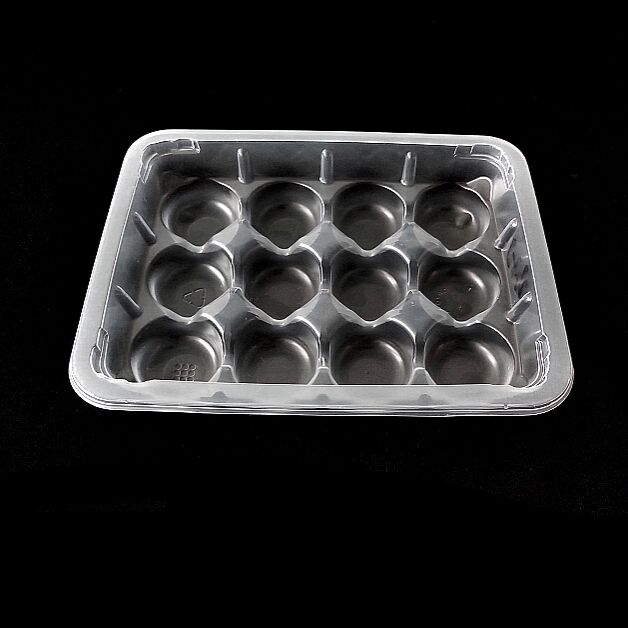
A blister vacuum form tray addresses product damage through sophisticated engineering principles that create custom-fitted protection around individual items. This thermoformed packaging solution uses precise molding techniques to establish secure cavities that hold products in fixed positions, preventing movement that typically leads to impact damage, scratches, or component separation during transit. The vacuum forming process allows manufacturers to design protection systems that accommodate specific product geometries, weight distributions, and fragility characteristics, resulting in measurably lower damage rates compared to traditional padding or loose-fill packaging approaches.
Protective Mechanisms of Vacuum Formed Packaging
Shock Absorption Through Material Properties
The damage reduction capabilities of a blister vacuum form tray begin with the inherent shock-absorbing properties of thermoformed plastics. When properly designed, these trays distribute impact forces across the entire surface area rather than allowing concentrated pressure points that can crack or damage delicate components. The material thickness and polymer composition work together to create a cushioning effect that dampens vibrations and sudden movements during handling and transportation.
Advanced vacuum forming techniques allow engineers to vary wall thickness within a single tray, creating thicker sections around high-stress areas while maintaining lighter weight overall. This selective reinforcement approach ensures that critical protection zones receive maximum impact resistance while keeping material costs and shipping weights optimized. The controlled deformation of the plastic material under stress helps absorb energy that would otherwise transfer directly to the protected product.
Different thermoplastic materials offer varying levels of shock absorption, with options ranging from rigid polystyrene for dimensional stability to flexible polyethylene for maximum cushioning. The selection of appropriate material properties allows packaging engineers to match protection levels precisely to product vulnerability, ensuring optimal damage prevention without over-engineering the solution.
Secure Product Positioning and Movement Prevention
Movement within packaging represents the primary cause of product damage during shipping, as loose items can collide with container walls or other products. A blister vacuum form tray eliminates this risk by creating precisely sized cavities that hold products in fixed positions throughout the entire distribution cycle. The custom-molded geometry ensures that items cannot shift, rotate, or impact each other regardless of handling conditions or transportation stresses.
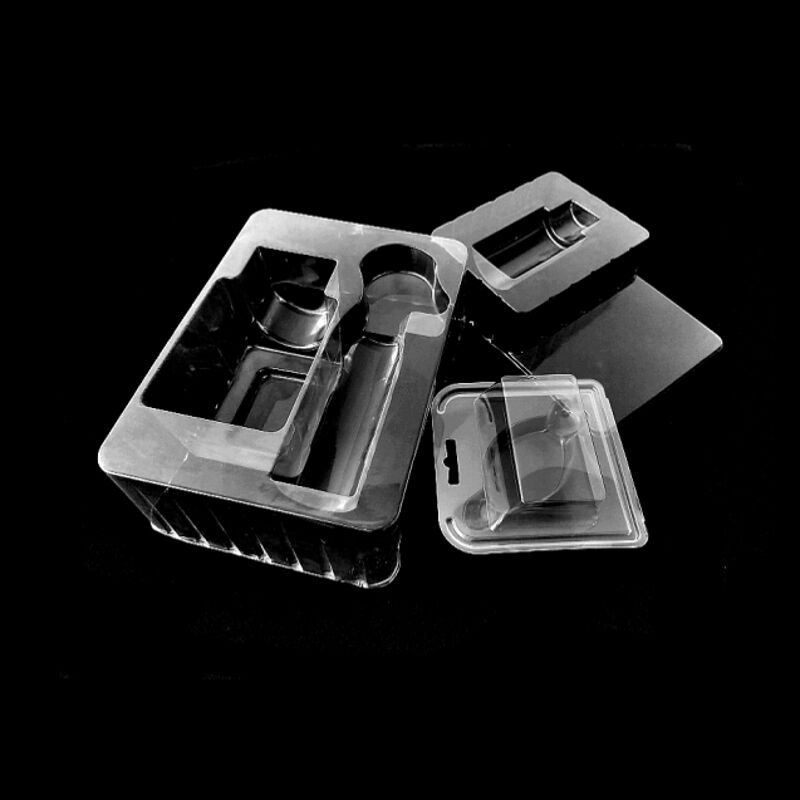
The vacuum forming process allows for the creation of complex three-dimensional shapes that accommodate product contours exactly, providing support at multiple contact points rather than relying on single-point restraint systems. This distributed support approach prevents stress concentrations that can lead to deformation or breakage of fragile components while maintaining secure positioning under dynamic loading conditions.
Product retention features can be integrated directly into the blister vacuum form tray design, including snap-fit elements, friction surfaces, and conforming walls that provide multiple levels of security. These features work together to create packaging systems that maintain product position even when subjected to dropping, impacts, or prolonged vibration exposure during long-distance shipping.
Engineering Design Factors for Damage Prevention
Cavity Geometry Optimization
The effectiveness of a blister vacuum form tray in reducing damage rates depends heavily on the precision of cavity geometry design. Engineers must analyze product dimensions, weight distribution, center of gravity, and potential failure modes to create optimal protection configurations. Proper cavity sizing ensures adequate clearance for easy product insertion while maintaining sufficient contact area for secure retention and impact protection.
Advanced computer-aided design tools allow packaging engineers to simulate various loading conditions and optimize cavity shapes for maximum protection efficiency. These simulations help identify potential stress concentration points and allow for design modifications before tooling production, ensuring that the final blister vacuum form tray provides optimal damage prevention performance under real-world conditions.
Multiple cavity depths within a single tray accommodate products with varying heights while maintaining consistent protection levels across all items. This flexibility allows manufacturers to package complete product sets or mixed configurations within a single protective system, reducing inventory complexity while ensuring comprehensive damage prevention for all components.
Wall Thickness and Structural Reinforcement
Strategic wall thickness variation within a blister vacuum form tray creates zones of enhanced protection where products are most vulnerable to damage. Thicker walls around sharp corners, delicate components, or high-stress areas provide additional impact resistance while maintaining overall weight efficiency. The vacuum forming process allows for precise control of material distribution, ensuring optimal protection without unnecessary material waste.
Structural reinforcement elements such as ribs, gussets, and support pillars can be integrated into the tray design to enhance overall strength and prevent deformation under load. These features help maintain cavity integrity even when trays are stacked or subjected to compression forces during storage and shipping, ensuring consistent protection performance throughout the product's journey.
The relationship between wall thickness and damage prevention follows engineering principles that balance material cost, weight considerations, and protection requirements. Optimal thickness selection requires analysis of expected impact energies, product fragility levels, and transportation conditions to achieve maximum damage reduction efficiency within practical constraints.
Material Science and Protection Performance
Polymer Selection for Damage Resistance
The choice of thermoplastic material significantly influences the damage prevention capabilities of a blister vacuum form tray. Different polymers offer distinct combinations of impact resistance, flexibility, chemical compatibility, and environmental stability that must be matched to specific product protection requirements. Engineering-grade materials provide enhanced performance characteristics for demanding applications where maximum damage prevention is critical.
Impact-modified polymers incorporate specialized additives that improve energy absorption capabilities, allowing the tray material to deform under stress without cracking or failing. This controlled deformation mechanism helps dissipate impact energy that would otherwise transfer to protected products, resulting in measurable reductions in damage rates during handling and shipping operations.
Environmental resistance properties of selected materials ensure that protection performance remains consistent across varying temperature, humidity, and chemical exposure conditions. Stable material properties prevent degradation that could compromise the protective capabilities of the blister vacuum form tray over extended storage periods or challenging shipping environments.
Surface Treatment and Friction Control
Surface treatments applied to blister vacuum form tray materials can enhance damage prevention through improved friction characteristics and product interaction properties. Anti-static treatments prevent electrical discharge damage to sensitive electronic components, while textured surfaces provide enhanced grip to prevent product slippage within cavities during dynamic loading conditions.
Controlled surface roughness helps distribute contact forces more evenly across product interfaces, reducing pressure concentrations that can cause indentation or surface damage to delicate items. The vacuum forming process allows for the integration of various surface textures directly into the molding operation, eliminating the need for secondary processing steps while ensuring consistent performance characteristics.
Chemical resistance of surface treatments ensures long-term protection performance without degradation that could compromise damage prevention capabilities. Properly selected treatments maintain their effectiveness throughout extended storage and shipping cycles, providing consistent protection reliability for manufacturers and distributors.
Testing and Validation of Damage Reduction
Impact Testing Protocols
Quantifying the damage reduction benefits of a blister vacuum form tray requires comprehensive testing protocols that simulate real-world shipping and handling conditions. Standard impact testing methods measure the tray's ability to protect products under controlled drop conditions, vibration exposure, and compression loading scenarios that represent typical distribution stresses.
Advanced testing equipment allows engineers to measure impact forces, acceleration levels, and energy transfer characteristics during protection events. These measurements provide quantitative data on damage reduction performance and help validate design calculations while identifying areas for potential improvement in tray configuration or material selection.
Comparative testing between protected and unprotected products demonstrates the measurable benefits of blister vacuum form tray protection systems. These studies typically show significant reductions in damage rates, often achieving protection improvements of 70-90% compared to conventional packaging approaches, depending on product type and shipping conditions.
Performance Metrics and Quality Standards
Establishing clear performance metrics for damage prevention allows manufacturers to specify appropriate protection requirements and evaluate tray effectiveness objectively. Key metrics include maximum allowable impact forces, acceptable vibration amplitudes, and required retention forces under various loading conditions that products may encounter during distribution.
Quality standards for blister vacuum form tray systems address both manufacturing consistency and protection performance requirements. These standards ensure that every tray provides the same level of damage protection and meets specified dimensional tolerances that are critical for proper product fit and retention characteristics.
Long-term performance validation involves extended testing under accelerated aging conditions to ensure that protection capabilities remain stable over expected product shelf life and storage periods. This testing helps identify potential degradation modes and validates material selection decisions for sustained damage prevention effectiveness.
FAQ
What types of products benefit most from blister vacuum form tray protection?
Electronic components, precision instruments, automotive parts, medical devices, and fragile consumer goods show the greatest damage reduction benefits from blister vacuum form tray protection. Products with complex geometries, multiple components, or high value-to-weight ratios particularly benefit from the custom-fitted protection and secure positioning that vacuum formed trays provide. The technology is especially effective for items that are sensitive to shock, vibration, or movement during shipping and handling operations.
How much can damage rates be reduced using vacuum formed packaging?
Properly designed blister vacuum form tray systems typically reduce product damage rates by 70-90% compared to conventional loose-fill or padding-based packaging methods. The actual reduction depends on product characteristics, shipping conditions, and tray design optimization. Independent testing studies consistently demonstrate significant improvements in product arrival condition when vacuum formed protection is implemented, with many manufacturers reporting damage rate reductions from 5-8% down to less than 1% of shipments.
What design factors are most important for maximizing damage protection?
Critical design factors include precise cavity sizing for secure product fit, appropriate material selection for impact resistance, strategic wall thickness variation for enhanced protection zones, and integration of retention features to prevent product movement. The cavity geometry must accommodate product contours while providing adequate clearance for insertion, and material properties must match expected impact energies and environmental conditions. Proper design requires analysis of product vulnerability points and expected shipping stresses to optimize protection performance.
How does cost compare between vacuum formed trays and other protective packaging?
While initial tooling costs for blister vacuum form tray systems are higher than generic packaging options, the total cost of ownership typically favors vacuum formed protection due to reduced damage rates, lower return logistics costs, and improved customer satisfaction. The per-unit cost becomes competitive at moderate to high production volumes, and the damage reduction benefits often justify the investment for valuable or fragile products. Additional savings come from reduced packaging material waste and optimized shipping densities compared to bulky alternative protection methods.
Table of Contents
- Protective Mechanisms of Vacuum Formed Packaging
- Engineering Design Factors for Damage Prevention
- Material Science and Protection Performance
- Testing and Validation of Damage Reduction
-
FAQ
- What types of products benefit most from blister vacuum form tray protection?
- How much can damage rates be reduced using vacuum formed packaging?
- What design factors are most important for maximizing damage protection?
- How does cost compare between vacuum formed trays and other protective packaging?