
 EN
EN
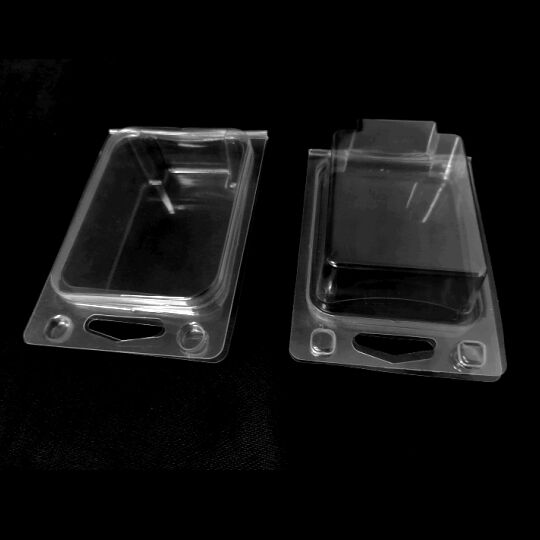
When selecting boxes for frozen meat packaging, understanding the critical material strengths becomes essential for maintaining product integrity throughout the cold chain distribution process. Frozen meat products face unique challenges during storage and transportation, requiring packaging solutions that can withstand extreme temperature fluctuations, moisture exposure, and physical stress while preserving food safety standards.
The material composition of boxes for frozen meat packaging directly impacts product quality, shelf life, and customer satisfaction. Professional packaging engineers must evaluate multiple material characteristics to ensure optimal performance in freezer environments where temperatures can range from -18°C to -40°C. These extreme conditions place exceptional demands on packaging materials that standard ambient-temperature solutions cannot adequately address.
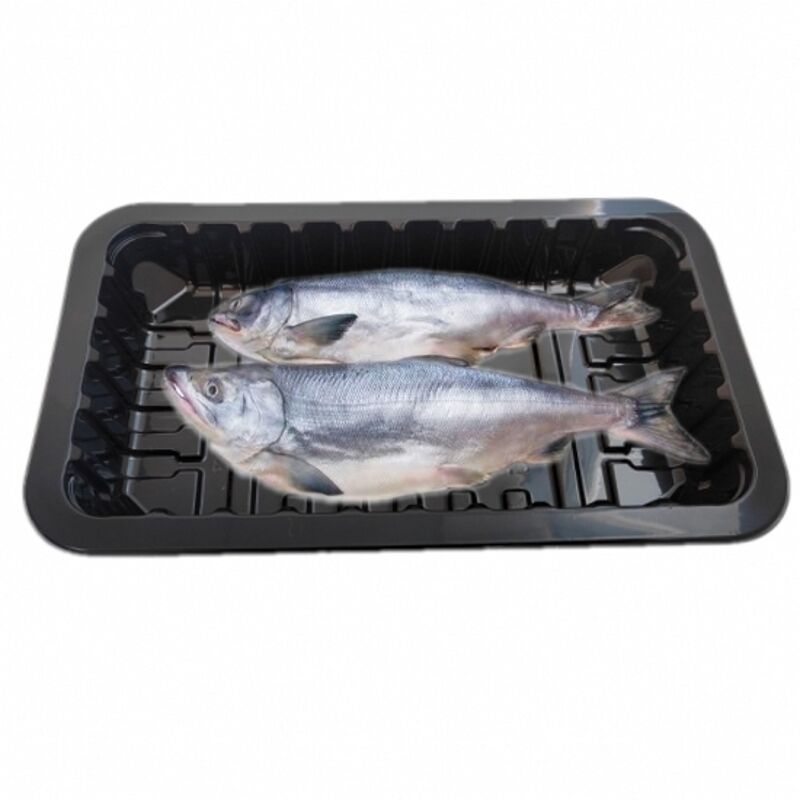
Structural Integrity Under Extreme Cold Conditions
Temperature Resistance and Thermal Stability
Material strength in boxes for frozen meat packaging begins with exceptional temperature resistance capabilities. The packaging substrate must maintain structural integrity when exposed to rapid temperature changes during loading, unloading, and storage transitions. High-quality frozen meat packaging utilizes materials engineered to resist brittleness at sub-zero temperatures, preventing cracking and structural failure that could compromise product protection.
Thermal expansion and contraction cycles create significant stress on packaging materials. Boxes for frozen meat packaging require materials with low thermal expansion coefficients to minimize dimensional changes during temperature fluctuations. This stability prevents warping, separation of laminated layers, and seal failures that could expose meat products to freezer burn or contamination.
Advanced polymer compositions in frozen meat packaging materials incorporate plasticizers and impact modifiers that maintain flexibility even at extremely low temperatures. These additives ensure that boxes for frozen meat packaging retain their protective qualities without becoming rigid or prone to impact damage during handling and transportation processes.
Impact Resistance and Durability
The physical demands placed on boxes for frozen meat packaging require materials with exceptional impact resistance. Frozen meat products are often heavy, and packaging must withstand dropping, stacking pressure, and rough handling throughout distribution channels. High-impact strength materials prevent punctures, tears, and structural collapse that could result in product loss or contamination.
Material toughness becomes particularly critical when boxes for frozen meat packaging encounter mechanical stress during automated sorting, conveyor transport, and warehouse handling operations. The packaging material must absorb and distribute impact forces without transferring shock to the meat products inside, protecting both product quality and package integrity.
Cold temperature environments reduce the impact resistance of many standard packaging materials, making material selection crucial for frozen meat applications. Specialized polymer blends and reinforcement strategies ensure that boxes for frozen meat packaging maintain protective performance even when subjected to sudden impacts at freezing temperatures.
Moisture Management and Barrier Performance
Water Vapor Transmission Control
Effective moisture management represents a fundamental requirement for boxes for frozen meat packaging, as uncontrolled water migration can lead to freezer burn, texture degradation, and quality loss. The packaging material must provide exceptional water vapor barrier properties to prevent moisture loss from meat products while blocking external humidity infiltration during temperature fluctuations.
Advanced barrier technologies in frozen meat packaging incorporate multi-layer structures with specialized polymer films that create tortuous pathways for water vapor molecules. These sophisticated barrier systems ensure that boxes for frozen meat packaging maintain optimal humidity levels around meat products throughout extended frozen storage periods.
Material permeability characteristics must remain stable across the entire temperature range encountered during frozen storage and distribution. Boxes for frozen meat packaging utilize materials with consistent barrier performance that does not degrade when exposed to thermal cycling between freezer storage and ambient loading dock temperatures.
Condensation Prevention Strategies
The formation of condensation inside boxes for frozen meat packaging can create quality problems and promote bacterial growth during thawing processes. Packaging materials must incorporate features that manage condensation formation through controlled permeability or moisture absorption mechanisms that prevent water accumulation on meat surfaces.
Surface treatments and interior liner materials in frozen meat packaging can provide anti-fog properties that prevent condensation droplets from forming on package walls. These specialized coatings maintain visibility of meat products while preventing moisture-related quality degradation that could affect consumer perception and product marketability.
Breathable zones or selective permeability regions in boxes for frozen meat packaging allow controlled moisture migration that prevents condensation buildup without compromising overall barrier performance. This balanced approach ensures optimal moisture management throughout the product lifecycle from processing to consumer purchase.
Chemical Resistance and Food Safety Compliance
Material Inertness and Migration Control
Food safety regulations require that boxes for frozen meat packaging utilize materials with proven chemical inertness to prevent migration of packaging components into food products. The packaging substrate must resist degradation from meat proteins, fats, and natural enzymes while maintaining structural integrity throughout extended frozen storage periods.
Migration testing protocols evaluate the transfer of potential contaminants from packaging materials to meat products under various temperature and time conditions. Boxes for frozen meat packaging must demonstrate compliance with food contact regulations through comprehensive testing that simulates real-world storage and distribution scenarios.
Chemical stability becomes particularly important when frozen meat packaging encounters cleaning chemicals, sanitizers, and processing aids used in meat handling facilities. The packaging material must resist degradation from these substances while maintaining its protective and barrier properties throughout the supply chain.
Antimicrobial Properties and Contamination Prevention
Modern boxes for frozen meat packaging may incorporate antimicrobial additives or surface treatments that provide additional protection against bacterial contamination. These enhancements create hostile environments for pathogens while remaining safe for food contact applications and maintaining material performance under frozen conditions.
Surface energy characteristics of packaging materials affect the adhesion of bacteria and other contaminants to package surfaces. Boxes for frozen meat packaging benefit from materials with optimized surface properties that resist bacterial attachment and facilitate cleaning processes in meat processing and retail environments.
Sterilization compatibility ensures that boxes for frozen meat packaging can undergo various sanitization processes without compromising material properties or food safety performance. Gamma irradiation, electron beam treatment, and chemical sterilization methods must not degrade packaging material strength or barrier characteristics.
Processing and Manufacturing Considerations
Thermoforming and Fabrication Requirements
The manufacturing process for boxes for frozen meat packaging requires materials that can withstand thermoforming temperatures while maintaining uniform thickness and structural properties. Material flow characteristics during heating and forming operations directly impact the final package strength and dimensional accuracy required for automated filling and sealing equipment.
Melt strength and thermal stability during processing ensure that boxes for frozen meat packaging maintain consistent wall thickness and corner integrity. Uneven material distribution or weak spots created during manufacturing can lead to failure points that compromise package performance under frozen storage stresses.
Cooling rates and thermal history during package formation affect the final crystalline structure and mechanical properties of frozen meat packaging materials. Controlled cooling protocols optimize material strength characteristics and ensure consistent performance across production batches of boxes for frozen meat packaging.
Seal Strength and Closure Integrity
Heat sealing performance becomes critical for maintaining the protective environment inside boxes for frozen meat packaging. The packaging material must provide strong, consistent seals that remain intact throughout temperature cycling and mechanical stress encountered during distribution and storage operations.
Peelable seal technologies allow controlled opening of boxes for frozen meat packaging while maintaining hermetic closure during storage. These specialized sealing systems require careful material selection to balance seal strength with consumer convenience and package integrity requirements.
Seal contamination resistance ensures that meat proteins, fats, or moisture present during packaging operations do not compromise seal integrity. Boxes for frozen meat packaging must accommodate real-world packaging conditions where perfect cleanliness may not always be achievable in high-speed processing environments.
FAQ
What temperature range must boxes for frozen meat packaging withstand?
Boxes for frozen meat packaging must maintain structural integrity and barrier properties across temperatures ranging from -40°C during blast freezing to +4°C during loading dock operations. The packaging material must resist brittleness at extreme cold temperatures while maintaining flexibility and impact resistance throughout this entire temperature spectrum.
How do moisture barrier properties affect frozen meat quality?
Moisture barrier performance in boxes for frozen meat packaging directly prevents freezer burn by blocking water vapor transmission that causes surface dehydration and texture degradation. High-quality barrier materials maintain meat moisture content while preventing external humidity infiltration that could promote ice crystal formation and quality loss.
What safety certifications are required for frozen meat packaging materials?
Boxes for frozen meat packaging must comply with FDA food contact regulations, USDA guidelines for meat packaging, and relevant international standards such as EU food contact material regulations. Materials require migration testing certification and documentation proving chemical inertness under frozen storage conditions to ensure food safety compliance.
How does material thickness impact packaging performance?
Material thickness in boxes for frozen meat packaging affects barrier properties, structural strength, and thermal insulation characteristics. Thicker materials provide enhanced puncture resistance and barrier performance but may reduce cost efficiency and storage space utilization. Optimal thickness balances protection requirements with economic and practical considerations for specific meat product applications.