
 EN
EN
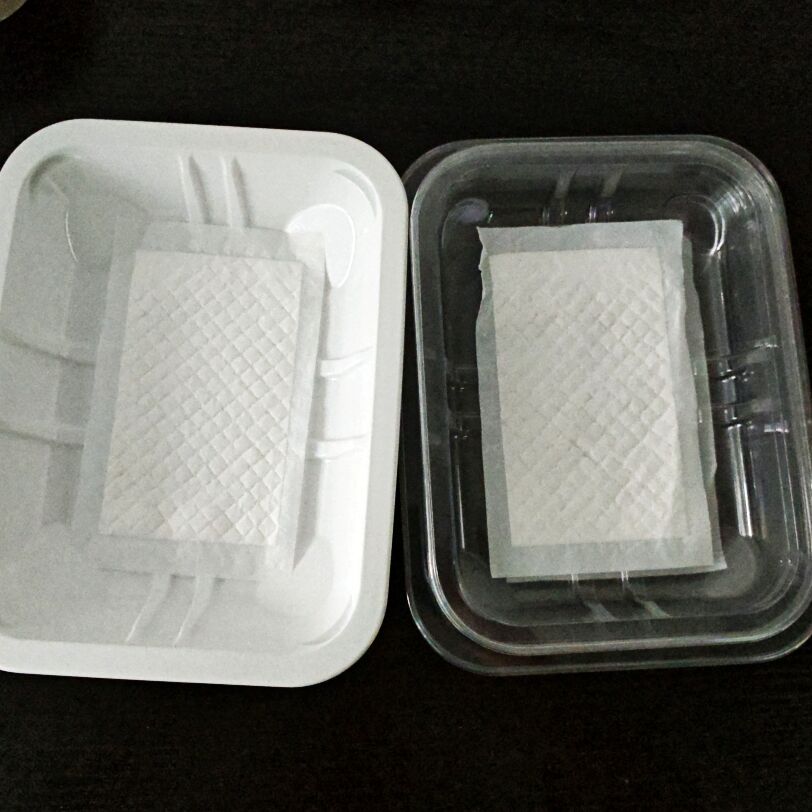
Overwrap poultry trays represent a sophisticated packaging solution designed to accommodate the inherent variability found in fresh poultry products. Unlike standardized items that maintain consistent dimensions, poultry products present unique challenges with their varying sizes, weights, and configurations that require specialized packaging approaches. The adaptability of overwrap poultry trays becomes crucial for processors seeking efficient packaging solutions that maintain product integrity while optimizing presentation and protection.
The engineering behind overwrap poultry trays incorporates flexible design elements and material properties that allow these packaging systems to conform to different bird sizes and formats without compromising functionality. This adaptability stems from carefully engineered tray dimensions, strategic material choices, and innovative design features that work together to create a versatile packaging platform capable of handling the natural variations found in poultry processing operations.
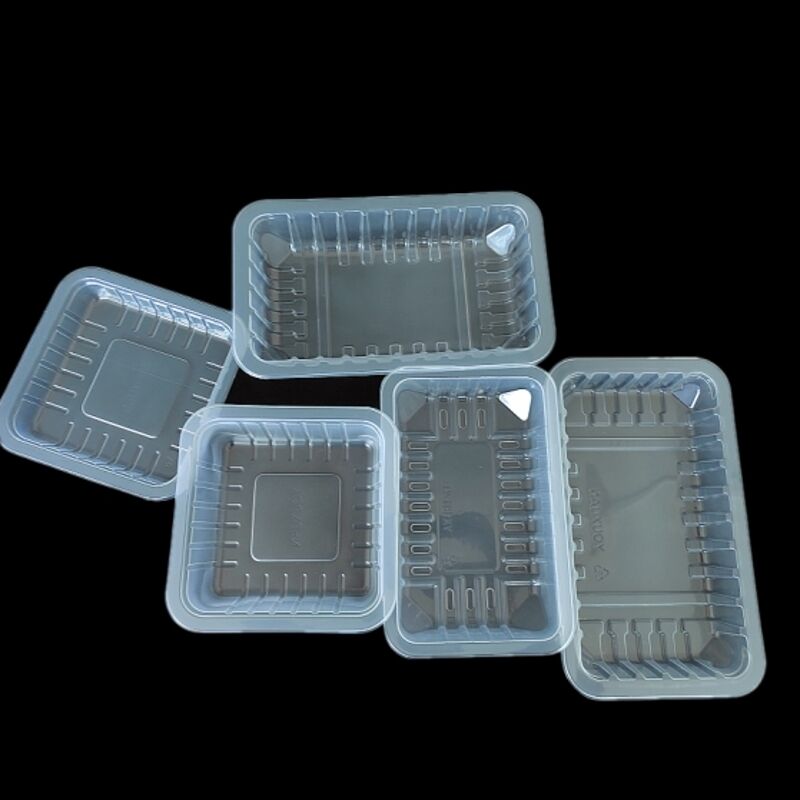
Design Flexibility Mechanisms
Adjustable Tray Configurations
Overwrap poultry trays achieve size adaptability through modular design principles that incorporate adjustable compartment configurations. These trays feature variable depth profiles that can accommodate both compact game birds and larger broiler chickens without requiring completely different packaging systems. The tray walls are engineered with specific angles and heights that provide adequate containment for smaller products while offering sufficient space for larger formats.
The compartment layout within overwrap poultry trays can be modified to suit different product arrangements, whether packaging whole birds, cut-up pieces, or specialty portions. This flexibility eliminates the need for processors to maintain extensive inventories of different tray sizes, reducing storage requirements and simplifying packaging operations. The design accommodates weight variations that typically range from small Cornish game hens to large roasting chickens.
Advanced tray designs incorporate removable or adjustable dividers that allow processors to customize compartment sizes based on specific product requirements. These features enable the same base tray design to handle multiple product formats efficiently, supporting operational flexibility while maintaining consistent packaging aesthetics across different poultry offerings.
Material Stretch and Conformability
The materials used in overwrap poultry trays possess specific mechanical properties that enable adaptation to varying product sizes. High-quality polyethylene terephthalate and other engineered plastics provide the necessary flexibility to conform to different product contours while maintaining structural integrity. These materials exhibit controlled stretch characteristics that allow the packaging to accommodate size variations without tearing or losing protective qualities.
Temperature resistance properties of tray materials ensure that overwrap poultry trays maintain their adaptability across different processing and storage conditions. The materials retain their flexibility even under refrigerated conditions, allowing the packaging to continue conforming to product shapes throughout the cold chain distribution process. This consistency ensures that the protective benefits remain effective regardless of temperature variations.
The selection of appropriate material thickness represents a critical balance between flexibility and protection. Thinner materials offer greater conformability but may compromise puncture resistance, while thicker materials provide enhanced protection but reduce adaptability. Modern overwrap poultry trays utilize advanced polymer formulations that optimize both characteristics simultaneously.
Size Accommodation Strategies
Universal Sizing Approaches
Overwrap poultry trays employ universal sizing strategies that create packaging solutions capable of handling the full spectrum of poultry sizes commonly encountered in commercial processing. These approaches focus on designing tray dimensions that encompass the largest expected product size while incorporating features that secure smaller products effectively. The universal approach reduces complexity in packaging line setup and inventory management.
The development of universal sizing requires extensive analysis of poultry size distributions within target markets to determine optimal tray dimensions. Processors must consider seasonal variations in bird sizes, breed differences, and processing standards that influence final product dimensions. Overwrap poultry trays designed with universal sizing principles accommodate these variations while maintaining packaging efficiency and cost-effectiveness.
Implementation of universal sizing strategies involves careful consideration of material usage efficiency to prevent excessive waste when packaging smaller products. Advanced design techniques incorporate features that minimize void space around smaller products while providing adequate protection and presentation quality. This optimization ensures economic viability across the entire product size range.
Graduated Sizing Systems
Alternative approaches to size accommodation involve graduated sizing systems that offer multiple tray sizes within a standardized family of packages. These systems provide processors with several tray options that cover different size ranges while maintaining design consistency and operational compatibility. Graduated systems offer improved material efficiency compared to universal approaches while providing better fit for specific product sizes.
The implementation of graduated sizing systems requires careful segmentation of product size ranges to minimize the number of different tray sizes while ensuring adequate coverage of all products. Overwrap poultry trays within graduated systems typically feature common design elements and processing requirements that simplify changeover procedures and maintain operational efficiency across different package sizes.
Inventory management considerations play a crucial role in graduated sizing system implementation, as processors must balance the benefits of improved fit against the complexity of maintaining multiple tray variants. Effective demand forecasting and production planning become essential for optimizing the benefits of graduated sizing approaches while minimizing operational complications.
Format Adaptation Technologies
Whole Bird Accommodation
Overwrap poultry trays designed for whole bird packaging incorporate specialized features that accommodate the three-dimensional variations inherent in poultry products. These trays feature contoured bases that follow natural bird anatomies while providing stable positioning during packaging and handling operations. The contour design prevents product movement within the package while accommodating size variations effectively.
Breast height variations represent one of the most significant challenges in whole bird packaging, as these dimensions can vary substantially between different bird sizes and types. Advanced overwrap poultry trays incorporate graduated depth profiles that provide adequate clearance for high-breast birds while maintaining efficient material usage for standard conformations. These design features ensure consistent packaging performance across diverse product specifications.
Wing positioning and leg arrangement considerations influence tray design parameters to ensure that overwrap poultry trays can accommodate different presentation formats. Some applications require wings to be tucked under the bird, while others position wings alongside the body. The tray design must provide adequate space and support for both arrangements while maintaining package integrity and visual appeal.
Cut-Up Product Flexibility
Cut-up poultry products present unique packaging challenges due to their irregular shapes and varying piece sizes that require specialized accommodation strategies. Overwrap poultry trays for cut-up products feature compartment designs that can handle different piece combinations while maintaining organized presentation and preventing product shifting during distribution. The flexibility to accommodate various cut-up formats enhances packaging versatility.
Thigh and drumstick variations significantly impact packaging requirements, as these pieces can vary considerably in size even within the same processing lot. Effective overwrap poultry trays incorporate design features that secure these irregularly shaped pieces while allowing for size variations. The tray structure prevents pieces from overlapping inappropriately while maintaining attractive product presentation.
Breast portion packaging requires specific consideration of thickness variations that can range from thin cutlets to thick bone-in portions. Overwrap poultry trays must accommodate these height differences while providing adequate protection and maintaining consistent packaging appearance. Advanced designs incorporate variable depth zones that optimize fit for different breast portion formats.
Processing Integration Benefits
Line Efficiency Optimization
The adaptability of overwrap poultry trays directly contributes to processing line efficiency by reducing the need for frequent changeovers and multiple packaging configurations. When trays can accommodate varying bird sizes without adjustment, processing lines operate more smoothly with fewer interruptions for package size changes. This continuity improves overall throughput and reduces labor requirements for packaging operations.
Automated packaging systems benefit significantly from the size adaptability features of modern overwrap poultry trays, as consistent tray dimensions enable reliable machine operation regardless of product size variations. The packaging equipment can maintain consistent handling parameters while the flexible tray design accommodates product differences automatically. This compatibility reduces setup time and minimizes adjustment requirements.
Quality control processes become more streamlined when overwrap poultry trays provide consistent packaging performance across different product sizes. Inspection procedures can follow standardized protocols without requiring size-specific adjustments, improving efficiency and reducing the potential for quality control errors. The consistent packaging presentation also facilitates automated inspection systems implementation.
Inventory Simplification
Processors utilizing adaptable overwrap poultry trays experience significant inventory simplification benefits through reduced packaging SKU requirements. Instead of maintaining separate inventories for multiple tray sizes, facilities can operate with fewer packaging variants while still accommodating their full product range. This simplification reduces storage space requirements and minimizes inventory management complexity.
Purchasing benefits emerge from consolidated packaging requirements that allow processors to negotiate better terms for larger volume commitments. The reduced number of different overwrap poultry trays needed simplifies procurement processes and reduces administrative overhead associated with managing multiple supplier relationships and delivery schedules. These operational efficiencies translate into tangible cost savings.
Warehouse management becomes more efficient when fewer packaging variants require storage and handling. Staff training requirements decrease when workers become familiar with fewer packaging types, reducing training time and improving operational consistency. The simplified inventory also reduces the potential for packaging errors and mismatched product-package combinations.
FAQ
How do overwrap poultry trays maintain structural integrity when accommodating larger bird sizes?
Overwrap poultry trays maintain structural integrity through engineered material thickness and reinforcement features strategically placed in high-stress areas. The materials selected possess specific tensile strength properties that resist deformation under increased loads, while the tray geometry distributes weight forces effectively across the entire structure to prevent localized stress concentrations that could compromise package integrity.
Can the same overwrap poultry tray accommodate both bone-in and boneless products effectively?
Yes, properly designed overwrap poultry trays can accommodate both bone-in and boneless products through variable depth zones and flexible containment features. The key lies in designing sufficient depth capacity for bone-in products while incorporating securing elements that prevent boneless products from shifting within the larger space, ensuring both product types receive adequate protection and presentation quality.
What factors determine the size range that a single overwrap poultry tray design can accommodate?
The size range accommodation depends on material stretch limits, structural load capacity, and economic efficiency considerations. Material properties define maximum stretch before failure, while structural design determines weight-bearing capabilities. Economic factors involve balancing material usage efficiency against the cost of maintaining multiple tray sizes, with optimal ranges typically spanning approximately 40-50% size variation from the smallest to largest accommodated products.
How do overwrap poultry trays adapt to seasonal variations in bird sizes?
Overwrap poultry trays address seasonal size variations through design margins that accommodate the typical annual range of bird sizes encountered in commercial processing. The tray specifications incorporate analysis of historical size data to ensure adequate capacity during peak seasons when birds tend to be larger, while maintaining efficient material usage during periods when smaller birds predominate, providing consistent packaging performance year-round.
Table of Contents
- Design Flexibility Mechanisms
- Size Accommodation Strategies
- Format Adaptation Technologies
- Processing Integration Benefits
-
FAQ
- How do overwrap poultry trays maintain structural integrity when accommodating larger bird sizes?
- Can the same overwrap poultry tray accommodate both bone-in and boneless products effectively?
- What factors determine the size range that a single overwrap poultry tray design can accommodate?
- How do overwrap poultry trays adapt to seasonal variations in bird sizes?