
 EN
EN
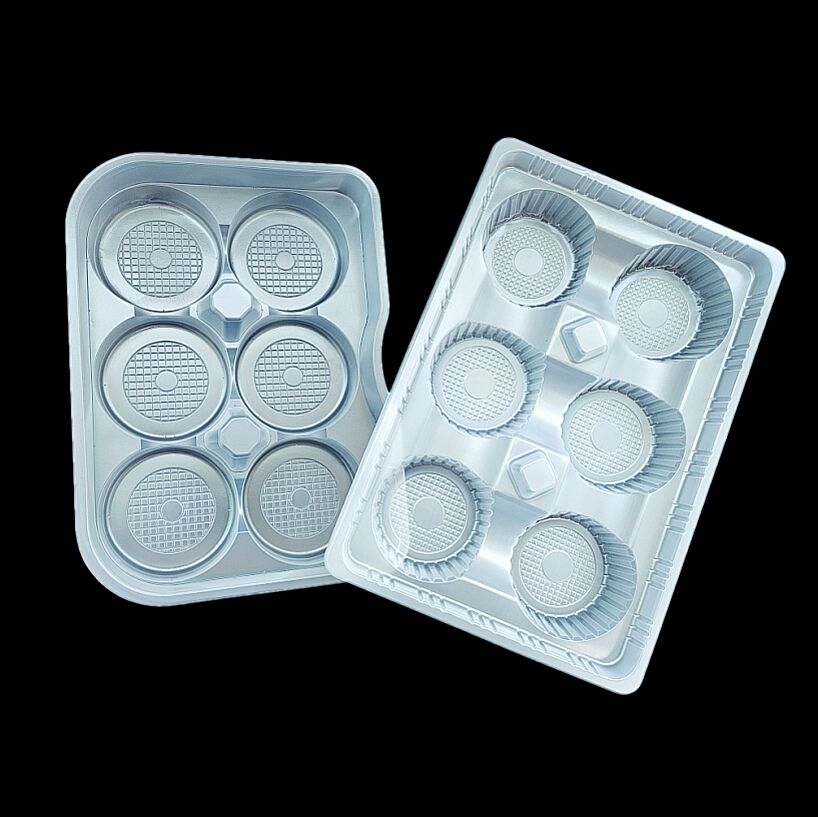
The selection of packaging materials has become increasingly complex as businesses balance functionality requirements with environmental responsibility, particularly when choosing polypropylene trays for food packaging applications. Understanding the recyclability concerns that influence pp tray selection is crucial for manufacturers, food service operators, and retailers who seek sustainable packaging solutions without compromising product protection or operational efficiency.
Multiple recyclability factors directly impact the decision-making process when specifying a pp tray for packaging applications, from material composition and contamination potential to end-of-life processing capabilities within existing waste management infrastructure. These concerns extend beyond simple material identification to encompass practical considerations about how the chosen tray design will perform throughout its entire lifecycle, including collection, sorting, cleaning, and reprocessing phases that determine ultimate recyclability success.
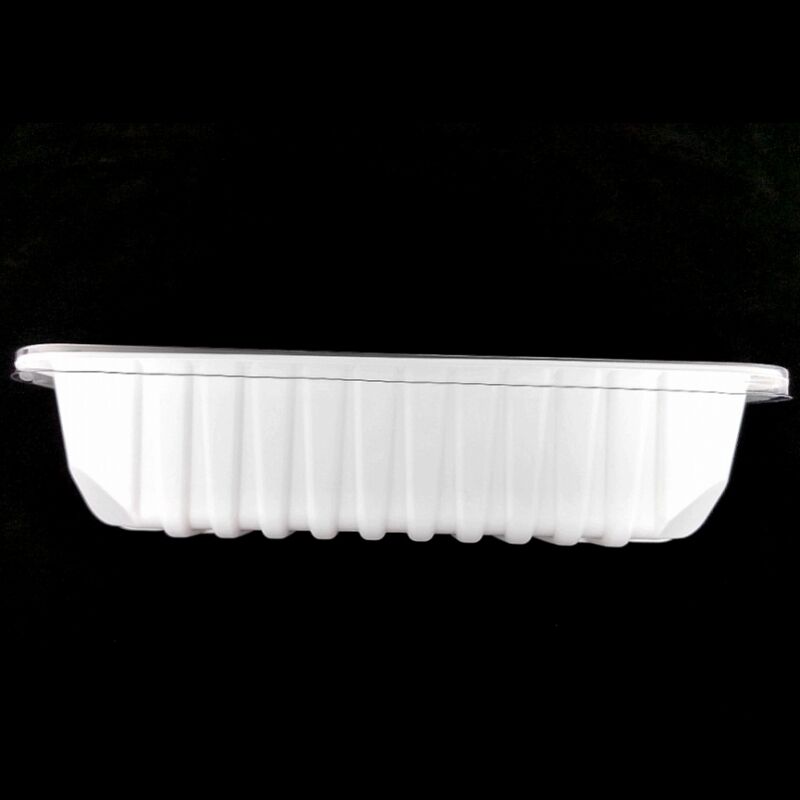
Material Composition and Purity Requirements
Single Polymer Structure Benefits
The fundamental recyclability advantage of a pp tray lies in its single polymer composition, which eliminates the complexity associated with multi-material packaging systems that require separation before processing. Pure polypropylene construction ensures that the entire tray can be processed through established recycling streams without contaminating other plastic types, making it particularly valuable for facilities that rely on density separation and optical sorting technologies to manage incoming waste streams effectively.
When selecting a pp tray for packaging applications, buyers must verify that the material maintains consistent polypropylene composition throughout all components, including any integrated features such as hinges, closure mechanisms, or structural reinforcements. Mixed polymer systems within a single tray can compromise recyclability by introducing incompatible materials that either contaminate the recycling stream or require costly separation processes that many facilities cannot accommodate economically.
The grade and molecular weight distribution of the polypropylene used in tray construction also influences recyclability outcomes, as certain formulations maintain better structural integrity through multiple processing cycles. High-quality virgin polypropylene typically offers superior recyclability compared to heavily filled or modified grades that may include additives or reinforcing materials that complicate the reprocessing workflow.
Additive and Filler Considerations
Additives incorporated into pp tray formulations to enhance performance characteristics such as UV resistance, antioxidant protection, or colorant stability can significantly impact recyclability by altering the material properties of the resulting recycled resin. While some additives remain compatible with recycling processes and may even provide benefits in secondary applications, others can degrade during reprocessing or introduce contaminants that limit the quality and utility of recycled output.
Mineral fillers commonly used to reduce material costs or improve specific mechanical properties in a pp tray can create challenges during recycling by increasing ash content in the recycled resin and potentially affecting processing equipment through increased wear rates. The concentration and type of fillers must be carefully evaluated against the requirements of target recycling facilities and end markets for recycled polypropylene to ensure compatibility with established processing capabilities.
Pigmentation systems used to achieve specific colors in pp tray applications require particular attention, as certain colorants can interfere with optical sorting systems used in recycling facilities or create aesthetic limitations in recycled products. Dark colors, metallic finishes, and some organic pigments may reduce the marketability of recycled material or require specialized processing approaches that are not universally available across recycling infrastructure.
Design Features and Contamination Potential
Surface Area and Cleaning Efficiency
The geometric design of a pp tray directly influences its contamination potential and subsequent cleanability during recycling preparation, with complex surface features, deep recesses, and intricate texturing creating opportunities for food residue, adhesive labels, or other contaminants to accumulate in areas that resist standard washing processes. Smooth, accessible surfaces with minimal undercuts and crevices facilitate more effective cleaning during recycling preparation, improving the quality of recycled material and reducing processing costs.
Compartmentalization within a pp tray design, while beneficial for product presentation and portion control, can create cleaning challenges that affect recyclability by providing multiple surfaces where contaminants can adhere and resist removal through conventional washing systems. The depth, accessibility, and drainage characteristics of individual compartments must be evaluated against cleaning system capabilities to ensure that contamination does not render the tray unsuitable for recycling.
Texture patterns, grip features, and decorative elements that enhance the functional or aesthetic appeal of a pp tray often increase surface area and create microscopic spaces where contaminants can lodge, potentially requiring more aggressive cleaning processes that may not be economically viable for recycling operations. Design optimization for recyclability often involves balancing functional requirements against cleanability considerations to achieve acceptable contamination removal without excessive processing costs.
Label and Adhesive Compatibility
Labeling systems applied to a pp tray for product identification, regulatory compliance, or marketing purposes introduce recyclability concerns through both the label material itself and the adhesive system used for attachment. Pressure-sensitive labels that remain firmly adhered during normal use may resist removal during recycling preparation, creating contamination that affects the quality and processability of recycled polypropylene resin.
Water-soluble adhesives and biodegradable label materials can improve recyclability by facilitating easier separation during washing processes, while permanent adhesive systems may require mechanical removal or chemical treatment that increases recycling costs and complexity. The selection of labeling systems should consider the washing and separation capabilities of target recycling facilities to ensure compatibility with established processing methods.
Direct printing technologies applied to pp tray surfaces eliminate adhesive-related contamination concerns but introduce different recyclability considerations related to ink chemistry, coverage density, and removal efficiency during recycling processes. Food-safe printing systems that use compatible chemistry and minimal coverage can maintain recyclability while providing necessary product information and branding.
End-of-Life Processing Requirements
Collection and Sorting Infrastructure
The recyclability success of a pp tray depends heavily on its compatibility with existing collection and sorting infrastructure, which varies significantly across geographic regions and waste management systems. Municipal recycling programs may have different acceptance criteria, processing capabilities, and contamination tolerances that directly influence whether a specific tray design can be effectively recovered and processed through local facilities.
Optical sorting systems commonly used in materials recovery facilities rely on near-infrared spectroscopy to identify and separate different plastic types, requiring that the pp tray material and any surface treatments or labels do not interfere with accurate polymer identification. Metallic films, certain pigments, or thick label materials can mask the underlying polypropylene signal and cause misidentification that diverts the tray to incorrect waste streams.
Size and weight characteristics of a pp tray affect its behavior in mechanical sorting systems, with very lightweight designs potentially being lost to residue streams or misclassified by density separation equipment. Conversely, oversized trays may jam sorting machinery or require manual handling that increases processing costs and reduces throughput efficiency.
Reprocessing Capability Alignment
The thermal processing requirements for recycling a pp tray must align with the capabilities and limitations of available reprocessing equipment, particularly regarding temperature tolerance, melt flow characteristics, and degradation resistance during multiple heat cycles. Polypropylene formulations with poor thermal stability may experience significant molecular weight reduction or polymer chain scission during recycling, limiting the performance characteristics and application suitability of recycled resin.
Contamination tolerance levels vary significantly among recycling facilities and end markets for recycled polypropylene, with some applications accepting higher contamination levels while others require near-virgin quality material. Understanding the quality requirements and contamination thresholds of target recycling outlets helps inform design decisions that optimize recyclability success for specific waste management systems.
Processing equipment modifications or specialized handling procedures may be required for certain pp tray designs, particularly those with unusual geometries, integrated features, or material combinations that do not conform to standard recycling protocols. The availability and cost of such specialized processing capabilities within the relevant geographic area directly affects the practical recyclability of non-standard tray designs.
Market Demand and Application Suitability
Recycled Content Integration
The long-term recyclability success of a pp tray depends partially on the existence of viable markets for recycled polypropylene and the ability to integrate recycled content into new tray production cycles. Closed-loop recycling systems that can accommodate food-grade recycled content offer the highest value recovery but require careful contamination control and processing standards that may influence initial tray design decisions.
Quality degradation during recycling processes affects the suitability of recycled polypropylene for different applications, with some performance characteristics such as impact resistance, clarity, or processing stability declining through repeated recycling cycles. Design optimization for recyclability should consider how material property changes during recycling will affect the viability of recycled content in target applications.
Regulatory requirements for food contact applications create additional complexity when incorporating recycled content into pp tray production, as recycled polypropylene must meet stringent purity and migration standards that may require specialized processing or contamination control measures not available in all recycling facilities.
Economic Viability Assessment
The economic sustainability of recycling a pp tray involves complex interactions between collection costs, processing expenses, contamination levels, and market values for recycled material that vary significantly across different waste management systems and geographic regions. High contamination removal costs or low recycled material values can render recycling economically unviable despite technical feasibility.
Transportation costs and logistics requirements for moving used pp tray materials from collection points to processing facilities represent significant economic factors that influence recyclability success, particularly for lightweight packaging that may not achieve sufficient value density to justify long-distance transportation to specialized recycling facilities.
Market volatility in recycled polypropylene prices creates uncertainty that affects long-term recycling viability and may influence facility investment decisions regarding processing capability expansion or contamination tolerance improvements. Stable, predictable demand for recycled material supports infrastructure development that enhances overall recyclability outcomes.
FAQ
How does pp tray thickness affect recyclability outcomes?
Tray thickness influences recyclability through its effects on cleaning efficiency, sorting behavior, and reprocessing yield, with extremely thin designs potentially creating handling challenges in recycling equipment while excessively thick trays may require additional processing energy. Optimal thickness balances material efficiency with processing compatibility to achieve reliable recyclability without unnecessary material waste or processing complications.
What contamination levels make a pp tray unsuitable for recycling?
Contamination tolerance varies among recycling facilities and target applications, but generally includes organic residue levels above 2-5%, non-removable adhesive coverage exceeding 10% of surface area, or metal contamination that interferes with magnetic separation systems. Successful recycling requires contamination levels that can be economically removed through available washing and separation processes without compromising recycled material quality.
Can transparent and colored pp trays be recycled together?
Transparent and colored pp trays can typically be processed through the same recycling equipment but may require separation to maintain color consistency and market value in recycled products, with clear material generally commanding higher prices for applications requiring optical clarity. Mixed color processing results in darker recycled resin suitable for non-critical applications but may limit market opportunities and economic returns.
How do hinge designs in clamshell pp trays affect recyclability?
Integral polypropylene hinges maintain recyclability by avoiding multi-material construction, though stress concentration around hinge areas may create weak points that fragment during processing and potentially generate fine particles that complicate separation processes. Robust hinge designs that resist premature failure during normal use and recycling handling improve overall material recovery efficiency and recycled content quality.