
 EN
EN
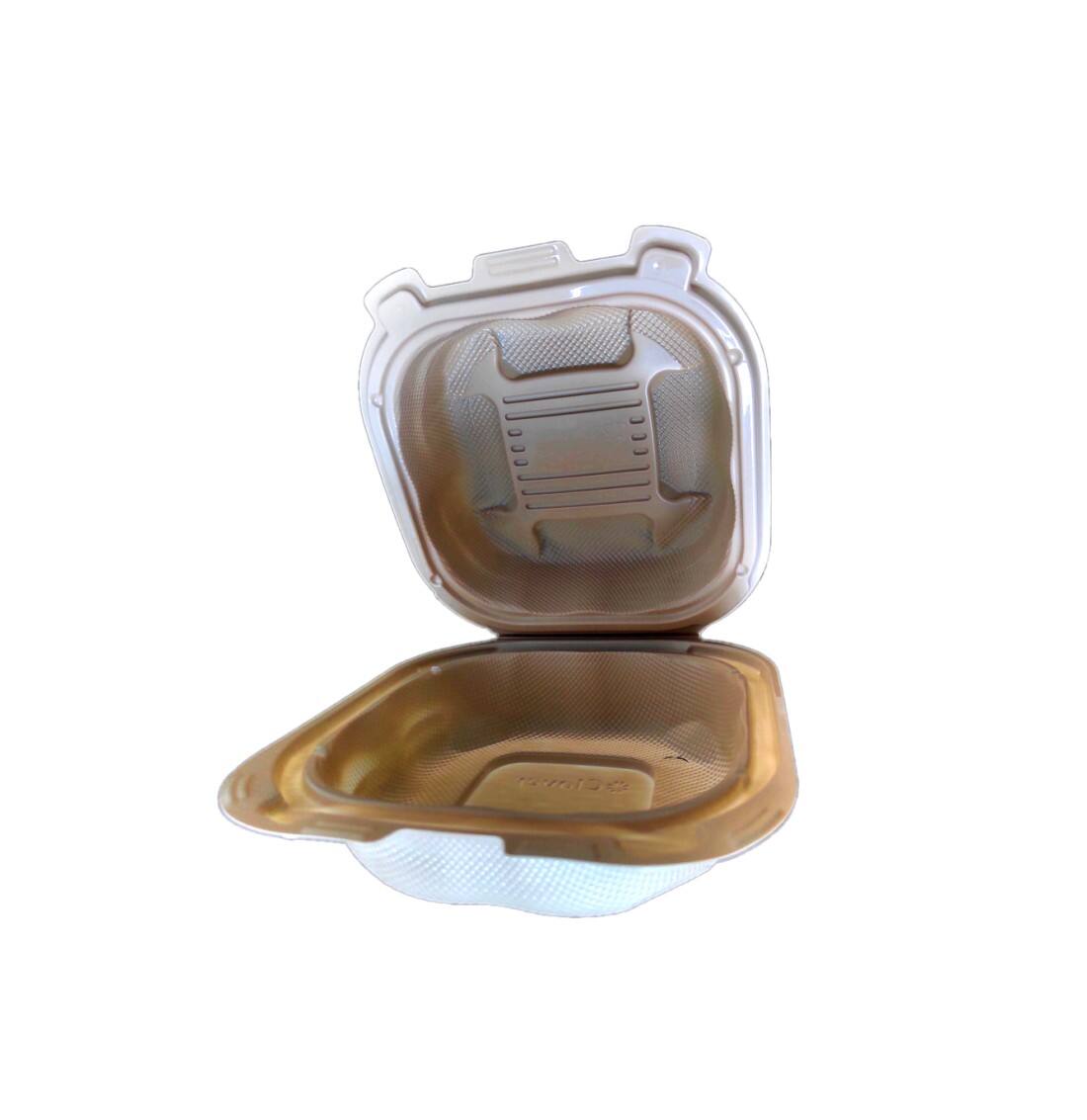
Moisture management stands as one of the most critical challenges in fresh meat packaging, directly impacting product quality, shelf life, and consumer safety. When selecting a plastic meat tray for commercial use, understanding which specific features contribute most effectively to moisture control can mean the difference between maintaining premium product presentation and facing costly shrinkage, discoloration, or bacterial growth. The right plastic meat tray design incorporates multiple engineered features that work synergistically to manage moisture accumulation, preserve meat freshness, and extend display time without compromising food safety standards.
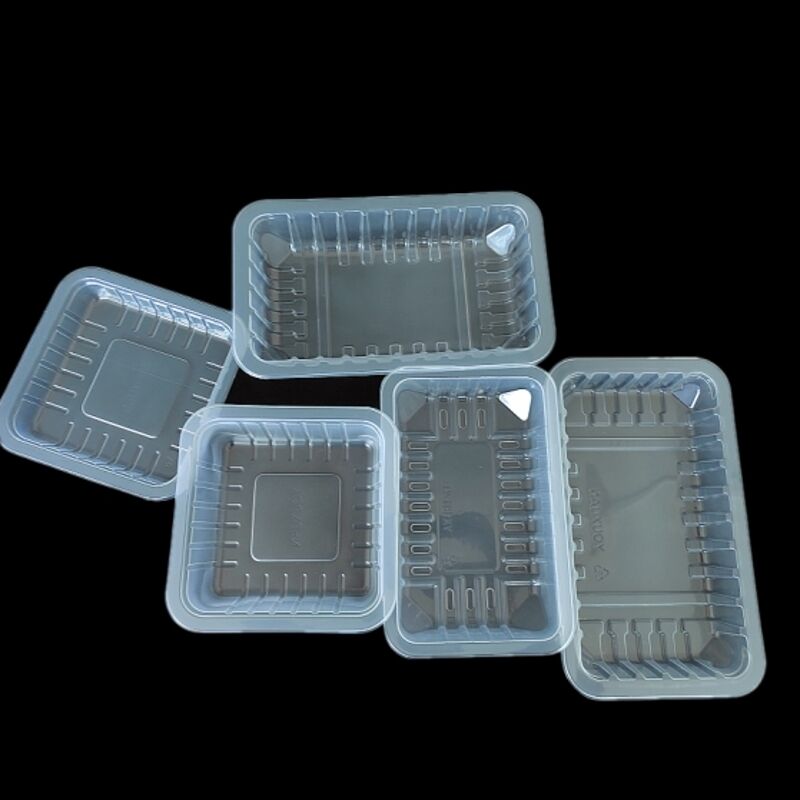
The effectiveness of moisture control in a plastic meat tray depends on several interdependent design elements including absorbent pad integration systems, drainage channel configurations, material permeability characteristics, and structural geometry. Each feature addresses specific aspects of the moisture challenge that fresh meat presents during refrigerated storage and retail display. Retailers and meat processors must evaluate these features not in isolation but as integrated systems that collectively determine how well a tray performs under real-world conditions involving temperature fluctuations, varying meat cuts, and extended display periods.
Absorbent Pad Integration Architecture
Pad Positioning and Retention Systems
The most effective plastic meat tray designs incorporate purposefully engineered recesses or pockets that securely position absorbent pads beneath the meat product. These retention systems prevent pad displacement during handling and transportation, ensuring consistent contact with meat surfaces where purge naturally accumulates. Superior tray designs feature molded channels that guide moisture toward absorbent materials while preventing pad bunching or folding that reduces absorption capacity. The dimensional precision of these retention features directly influences how efficiently a plastic meat tray manages the moisture release that occurs as meat proteins break down and cellular structures release liquid during refrigerated storage.
The depth and configuration of pad integration zones within a plastic meat tray determine both the volume of moisture that can be sequestered and the visual presentation of the packaged product. Shallow integration allows for minimal visual interference while deeper pocket designs accommodate higher-capacity absorbent materials suitable for moisture-rich cuts like ground beef or marinated products. Advanced tray architectures incorporate graduated depth profiles that concentrate moisture collection in specific zones away from consumer sight lines, maintaining premium product appearance even as natural purge occurs. This strategic spatial planning transforms a simple plastic meat tray into an active moisture management system rather than a passive container.
Absorbent Material Compatibility
The physical interface between a plastic meat tray and its compatible absorbent pad materials significantly affects overall moisture control performance. Tray designs must accommodate standard pad dimensions while providing sufficient clearance for pad expansion as absorption occurs without creating gaps that allow moisture migration. The surface texture of pad contact zones within the plastic meat tray influences how effectively capillary action draws moisture from meat surfaces into absorbent materials, with micro-textured surfaces generally outperforming smooth alternatives. Material compatibility extends to ensuring that tray polymers do not chemically interact with pad materials or release compounds that might compromise absorption efficiency over extended storage periods.
Leading plastic meat tray manufacturers engineer specific surface treatments in pad zones that enhance wicking performance while maintaining structural integrity during repeated thermal cycling in refrigerated environments. These treatments may include hydrophilic coatings or textured patterns that increase effective surface area for moisture transfer. The synergy between tray architecture and absorbent pad technology represents a critical selection criterion, as even high-capacity pads perform poorly when paired with incompatible tray geometries. Processors evaluating moisture control effectiveness must consider this integrated system performance rather than assessing tray or pad capabilities independently.
Drainage Channel Engineering
Channel Geometry and Flow Dynamics
Strategically designed drainage channels within a plastic meat tray create pathways that direct moisture away from meat contact surfaces toward collection zones or absorbent materials. The cross-sectional profile of these channels determines flow velocity and capacity, with wider, shallow channels generally providing better performance for viscous meat purge compared to narrow, deep alternatives. Channel placement must balance drainage efficiency with structural support requirements, as excessive channeling can compromise tray rigidity and stacking stability. The most effective plastic meat tray designs incorporate radiating or grid patterns that provide multiple drainage pathways regardless of tray orientation, ensuring consistent performance even when trays are tilted or stacked at angles during display.
The angle and gradient of drainage channels within a plastic meat tray directly influence how quickly moisture migrates away from meat surfaces under gravity alone. Trays designed with optimal channel slopes—typically between three and seven degrees—achieve passive drainage without requiring excessive tray depth that increases material costs and storage volume. Channel terminus design proves equally important, as inadequate collection zone volume or poorly positioned outlets can create moisture backup that defeats the drainage system purpose. Advanced tray engineering incorporates computational fluid dynamics modeling to optimize channel networks that handle varying moisture viscosities and flow rates associated with different meat types and storage temperatures.
Anti-Pooling Surface Features
Beyond active drainage channels, effective plastic meat tray designs incorporate micro-scale surface features that prevent moisture pooling in meat contact zones. These may include embossed patterns, raised dots, or linear ridges that minimize the meat surface area in direct contact with the tray bottom, allowing air circulation and moisture escape. The spacing and height of these anti-pooling features must be optimized to support meat weight without creating pressure points that damage product appearance while maintaining sufficient clearance for moisture migration. A well-designed plastic meat tray balances contact reduction with structural support, ensuring that delicate cuts maintain shape integrity while benefiting from enhanced moisture evacuation.
The pattern density and distribution of anti-pooling features across a plastic meat tray surface affect both drainage performance and consumer perception of product quality. Overly aggressive texturing can create undesirable imprint patterns on meat surfaces, while insufficient texturing fails to provide meaningful moisture control benefits. Industry-leading designs typically employ 15-25% contact reduction through strategic feature placement, concentrating support in areas where meat naturally rests while maximizing drainage potential in perimeter zones. This sophisticated approach to surface engineering represents a key differentiator among plastic meat tray options, with measurable impacts on purge accumulation rates and visible moisture presence during retail display periods.
Material Selection and Permeability Control
Polymer Characteristics for Moisture Management
The base polymer composition of a plastic meat tray fundamentally determines its moisture barrier properties and interaction with packaged meat products. Food-grade polystyrene and polyethylene terephthalate materials commonly used in tray manufacturing exhibit different moisture vapor transmission rates that affect how humidity equilibrates between meat surfaces and the surrounding refrigerated environment. Lower permeability materials help maintain meat surface moisture during display while preventing external humidity from condensing on cold meat surfaces when trays move between temperature zones. The selection of appropriate polymers for a plastic meat tray application must consider both moisture retention within the meat itself and prevention of external moisture intrusion that can promote bacterial growth.
Advanced plastic meat tray formulations may incorporate moisture-regulating additives or multi-layer constructions that provide selective permeability characteristics. These engineered materials allow controlled moisture vapor escape while blocking liquid water penetration, creating a balanced microenvironment that extends meat freshness without excessive dehydration. The thermal stability of tray polymers also influences moisture control performance, as materials that maintain consistent properties across refrigerated temperature ranges provide more predictable moisture management compared to formulations that become brittle or excessively flexible with temperature fluctuations. Processors selecting trays for optimal moisture control must evaluate material specifications beyond basic food contact approval to assess actual performance under operational conditions.
Surface Energy and Moisture Adhesion
The surface energy characteristics of plastic meat tray materials determine how readily moisture droplets adhere to tray surfaces versus beading and flowing toward drainage features. High surface energy materials tend to spread moisture into thin films that are difficult to drain effectively, while lower surface energy formulations promote droplet formation and gravity-driven flow. Manufacturers can modify surface energy through plasma treatments, chemical coatings, or polymer additive selection to optimize moisture behavior within their plastic meat tray designs. This surface engineering approach proves particularly valuable in multi-temperature distribution chains where condensation management becomes critical to maintaining product presentation and preventing moisture-related quality degradation.
The long-term stability of surface treatments on a plastic meat tray affects sustained moisture control performance throughout the product lifecycle. Treatments that degrade under refrigeration conditions, exposure to meat proteins, or repeated handling may initially perform well but fail to maintain effectiveness over extended storage periods. Quality plastic meat tray suppliers validate surface property retention through accelerated aging protocols that simulate weeks of refrigerated storage and handling stress. Purchasers evaluating moisture control features should request performance data demonstrating consistent surface behavior rather than accepting specifications based solely on initial properties, as real-world effectiveness depends on sustained performance under cumulative stress conditions.
Structural Design for Moisture Isolation
Compartmentalization and Barrier Features
Sophisticated plastic meat tray designs incorporate internal barriers or raised sections that compartmentalize moisture collection zones and prevent purge migration across the tray surface. These features become particularly important in multi-portion trays or family-pack configurations where moisture from one meat piece should not contact adjacent products. Effective barrier heights must exceed typical purge accumulation volumes while remaining low enough to avoid interfering with overwrap film application or consumer product access. The strategic placement of these barriers within a plastic meat tray transforms a single container into multiple isolated moisture management zones, each optimized for the specific meat product it contains.
The junction design where barriers meet the tray base determines whether these features successfully contain moisture or create channels for unintended flow. Quality plastic meat tray manufacturing employs reinforced corner radii and continuous barrier construction that eliminates leak paths while maintaining structural integrity during filling operations and transportation stress. Some advanced designs incorporate selectively permeable barriers that allow gas exchange for modified atmosphere packaging benefits while blocking liquid moisture transfer between compartments. This level of engineering sophistication reflects the evolution of the plastic meat tray from simple commodity packaging to an engineered system component that actively contributes to product quality preservation.
Edge and Rim Configuration
The perimeter design of a plastic meat tray significantly influences moisture containment during handling, stacking, and display orientations. Raised rims with adequate height prevent purge spillage when trays tilt during transportation or when consumers handle packages, while rim width provides structural rigidity that prevents deformation under load. The internal edge profile where rim transitions to tray floor creates a critical junction for moisture management—sharp transitions can trap moisture in corner zones inaccessible to drainage features, while gradual transitions with appropriate radii promote flow toward collection areas. A well-engineered plastic meat tray balances rim height for containment with internal geometry for drainage, recognizing that excessive rim elevation increases material usage and package volume without proportional performance benefits.
Rim design also affects how effectively overwrap films seal to plastic meat tray surfaces, creating moisture barriers that prevent external contamination and internal moisture loss. Flat, smooth rim surfaces with consistent width facilitate reliable heat-seal or adhesive-seal formation, while textured or irregular rims may create leak paths that compromise package integrity. The dimensional tolerance control during tray manufacturing determines rim consistency, with precision-molded trays providing superior sealing surfaces compared to lower-quality alternatives with warpage or dimensional variation. Processors prioritizing moisture control should evaluate rim specifications as part of the complete system assessment, recognizing that even excellent internal drainage features lose effectiveness if rim design allows moisture intrusion or escape at the package perimeter.
Performance Optimization Through Integrated Design
Synergistic Feature Interaction
The most effective plastic meat tray solutions integrate multiple moisture control features into cohesive systems where individual elements reinforce rather than compromise each other. For example, drainage channels positioned to terminate at absorbent pad locations maximize purge capture efficiency, while anti-pooling surface textures work synergistically with channel networks to accelerate moisture migration. This systems-engineering approach to plastic meat tray design requires careful analysis of moisture behavior throughout the product lifecycle, from initial filling through refrigerated storage, retail display, and consumer handling. Manufacturers who optimize these interactions achieve moisture control performance that exceeds the sum of individual feature capabilities, delivering measurable improvements in meat appearance retention and shelf life extension.
The thermal response characteristics of integrated moisture control systems within a plastic meat tray determine performance consistency across varying refrigeration conditions. Features that perform well at stable 2°C storage may behave differently during temperature cycling associated with distribution and retail display, where condensation and evaporation cycles create dynamic moisture challenges. Advanced tray designs incorporate thermal mass considerations and material selection that minimize performance variation across operational temperature ranges. Processors evaluating plastic meat tray options should request performance validation data from thermal cycling tests rather than relying solely on static condition assessments, as real-world effectiveness depends on robust performance under variable thermal stress.
Customization for Specific Meat Applications
Different meat products generate varying moisture management challenges that optimal plastic meat tray design addresses through application-specific feature selection. Ground meat products with high surface area and rapid moisture release require aggressive drainage and high-capacity absorbent integration, while intact muscle cuts benefit from moderate moisture retention to prevent surface dehydration. Marinated or value-added products introduce additional liquid volumes that standard tray designs may not accommodate effectively, necessitating enhanced drainage capacity and specialized barrier features. Leading plastic meat tray suppliers offer product portfolios with graduated moisture control capabilities matched to specific meat categories, enabling processors to optimize packaging performance for their particular product mix.
The economic balance between moisture control performance and tray cost requires careful analysis of product value and target shelf life. Premium meat products commanding higher prices justify investment in sophisticated plastic meat tray designs with advanced moisture management features, while commodity products may perform adequately with basic drainage and standard absorbent pad integration. However, the cost of product loss due to inadequate moisture control often exceeds the incremental expense of upgrading to better-engineered trays, making feature-rich options economically justified even for mid-tier products. Processors should conduct total cost analyses that account for shrinkage reduction, markdown avoidance, and quality claim prevention when evaluating plastic meat tray alternatives rather than focusing narrowly on unit packaging costs.
FAQ
How do drainage channels in a plastic meat tray compare to absorbent pads for moisture control effectiveness?
Drainage channels and absorbent pads serve complementary rather than competing functions in effective moisture management systems. Channels provide passive, continuous moisture evacuation from meat contact surfaces, preventing pooling that creates bacterial growth conditions and visual quality degradation. However, channels alone cannot sequester moisture—they merely relocate it within the package. Absorbent pads capture and immobilize moisture that channels deliver, preventing re-contact with meat surfaces. The most effective plastic meat tray designs integrate both features, using channels to rapidly move moisture away from meat while pads provide final containment. Neither feature alone achieves optimal performance, as channels without absorption capacity allow moisture accumulation in collection zones, while pads without delivery systems can only absorb moisture in their immediate contact area, leaving distant portions of meat sitting in purge.
What plastic meat tray material properties have the greatest impact on long-term moisture control during extended refrigerated storage?
Material moisture vapor transmission rate and surface energy stability represent the most critical polymer properties for sustained moisture control performance. Low moisture vapor transmission prevents atmospheric humidity from condensing on cold meat surfaces when packages move between temperature zones, while also limiting moisture loss from meat tissue that causes weight shrinkage and surface drying. Surface energy stability ensures that moisture-repelling treatments or inherent polymer characteristics maintain effectiveness throughout storage duration rather than degrading due to protein contact, temperature cycling, or time-dependent polymer reorganization. Additionally, material dimensional stability under refrigeration temperatures prevents tray warping that can compromise drainage channel function and absorbent pad positioning. A plastic meat tray manufactured from polymers optimized for these properties maintains consistent moisture control effectiveness from packaging through end-of-shelf-life, whereas inferior materials may show acceptable initial performance but deteriorate during extended cold storage typical of meat distribution systems.
Can anti-pooling surface textures on a plastic meat tray damage meat appearance or create food safety concerns?
Properly engineered anti-pooling textures provide moisture control benefits without adverse effects when designed within appropriate dimensional parameters. Features with heights under two millimeters and rounded contact geometries minimize meat surface marking while providing effective moisture clearance. However, aggressive textures with sharp edges or excessive relief can create pressure-point damage visible as localized discoloration or texture disruption, particularly with tender cuts or extended display periods. From a food safety perspective, well-designed textures actually enhance safety by preventing moisture pooling that creates bacterial growth conditions, provided the texture pattern allows effective cleaning and does not create crevices where meat particles or bacteria might lodge. The key lies in balanced engineering—textures must provide sufficient clearance for moisture evacuation while distributing meat weight across adequate surface area to prevent damage. Quality plastic meat tray manufacturers validate texture designs through meat contact studies that assess appearance impact across multiple meat types and storage durations, ensuring that moisture control benefits are not achieved at the expense of product presentation or safety.
What testing protocols best predict real-world moisture control performance of a plastic meat tray before committing to large-scale adoption?
Comprehensive moisture control validation requires multi-stage testing that simulates distribution chain conditions rather than static laboratory assessments. Initial screening should include standardized purge volume testing where controlled moisture quantities are introduced to trays and drainage efficiency measured over time at refrigeration temperatures. This should progress to actual meat product trials using representative cuts, packaging methods, and storage durations matching operational practices. Critical testing must include thermal cycling protocols that expose packaged meat to temperature fluctuations typical of transportation and retail display, as moisture behavior changes dramatically during condensation and evaporation cycles. Visual assessment protocols should document meat appearance degradation rates, moisture visibility, and package integrity throughout shelf life. Additionally, microbial testing of meat surfaces and purge samples provides food safety validation. The most predictive plastic meat tray evaluations combine quantitative measurements of moisture migration rates and volumes with qualitative assessment of visual presentation and organoleptic properties across the full intended shelf life under worst-case temperature conditions. This comprehensive approach identifies performance limitations before they manifest as costly quality issues in commercial operations.
Table of Contents
- Absorbent Pad Integration Architecture
- Drainage Channel Engineering
- Material Selection and Permeability Control
- Structural Design for Moisture Isolation
- Performance Optimization Through Integrated Design
-
FAQ
- How do drainage channels in a plastic meat tray compare to absorbent pads for moisture control effectiveness?
- What plastic meat tray material properties have the greatest impact on long-term moisture control during extended refrigerated storage?
- Can anti-pooling surface textures on a plastic meat tray damage meat appearance or create food safety concerns?
- What testing protocols best predict real-world moisture control performance of a plastic meat tray before committing to large-scale adoption?