
 EN
EN
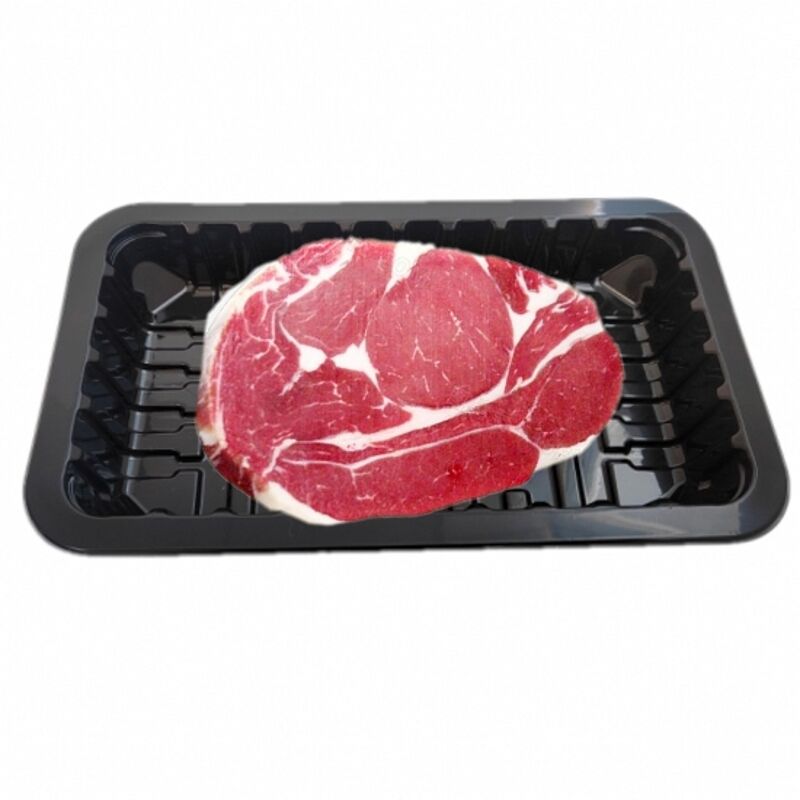
Large-scale industrial distribution demands packaging solutions that balance durability, cost-efficiency, and operational compatibility across complex supply chains. A custom plastic tray serves as a critical component in protecting products during transit, facilitating automated handling, and ensuring compliance with diverse regulatory environments. Optimizing these trays for industrial distribution requires strategic design decisions that address material selection, structural engineering, dimensional standardization, and lifecycle performance. When organizations invest in tailored tray solutions, they gain the ability to reduce damage rates, streamline warehouse operations, and achieve measurable improvements in distribution efficiency.
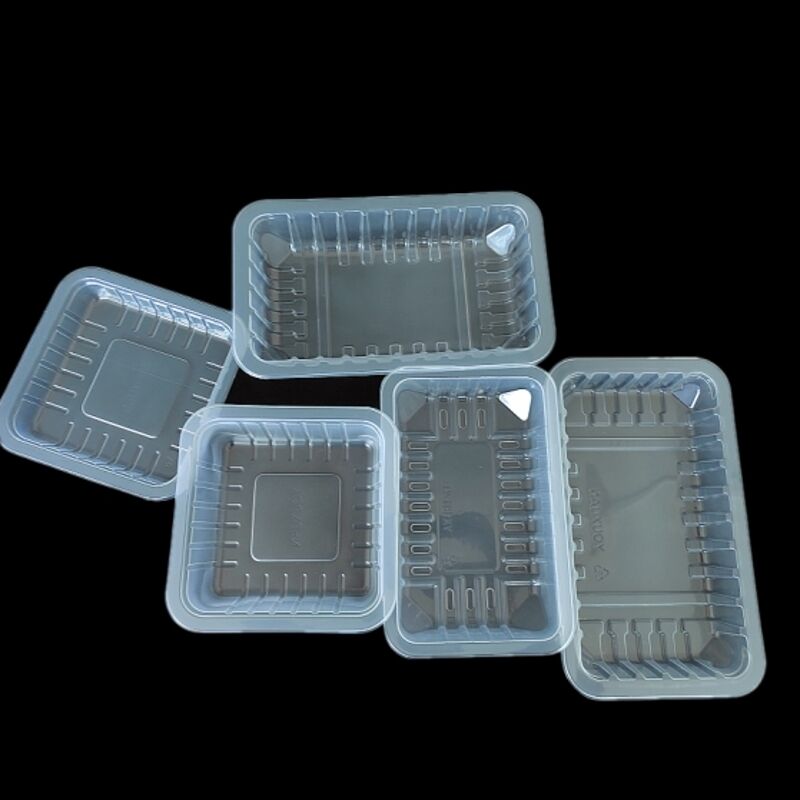
The optimization process extends beyond basic structural integrity to encompass thermal stability, chemical resistance, dimensional tolerances, and integration with existing material handling equipment. Industrial distribution environments expose packaging to mechanical stress, temperature fluctuations, moisture exposure, and repetitive loading cycles that can compromise inferior designs. A well-engineered custom plastic tray addresses these challenges through intelligent feature integration, including reinforced corner geometry, ergonomic handling provisions, stackability optimization, and compatibility with automated sortation systems. This comprehensive approach ensures that the tray performs reliably throughout its intended service life while supporting operational goals such as reduced labor costs, minimized product loss, and enhanced supply chain velocity.
Material Selection and Performance Engineering for Distribution Environments
Polymer Chemistry and Structural Integrity Requirements
The foundation of an optimized custom plastic tray begins with selecting polymer materials that deliver the mechanical properties necessary for large-scale distribution. High-density polyethylene offers excellent impact resistance and moisture barrier properties, making it suitable for applications requiring durability under variable environmental conditions. Polypropylene provides superior chemical resistance and maintains structural integrity across a wider temperature range, which becomes critical when products move through temperature-controlled warehouses, refrigerated transport, and ambient storage facilities. The selection process must account for anticipated stress loads, stacking heights, and the specific failure modes that could compromise product protection during distribution.
Material engineering also addresses long-term performance characteristics such as creep resistance, fatigue tolerance, and dimensional stability over repeated use cycles. Industrial distribution typically involves hundreds or thousands of handling events throughout a single distribution cycle, placing continuous stress on the custom plastic tray structure. Advanced polymer formulations incorporate impact modifiers, UV stabilizers, and reinforcement additives that extend service life and maintain consistent performance even after extended exposure to challenging conditions. These material enhancements translate directly into reduced replacement frequency, lower total cost of ownership, and improved sustainability through extended product lifecycles.
Additive Integration for Enhanced Functionality
Optimizing a custom plastic tray for industrial distribution often requires incorporating functional additives that address specific operational challenges. Antimicrobial additives become essential in food distribution applications where hygiene standards mandate contamination prevention throughout the supply chain. Anti-static formulations protect sensitive electronic components during transport by dissipating electrostatic charges that could damage products or create safety hazards in automated handling environments. Colorants and optical brighteners improve visual inspection capabilities, enabling quality control personnel to quickly identify product segregation and maintain inventory accuracy across distribution networks.
Friction modification represents another critical additive category that influences distribution efficiency. Controlled slip characteristics ensure that stacked custom plastic trays remain stable during transport while still allowing efficient separation during automated destacking operations. This balance prevents load shifting that could cause product damage or create safety issues for distribution personnel. Advanced formulations achieve this balance through precise surface energy management, creating predictable interaction between tray surfaces and the products they contain. These seemingly minor adjustments accumulate into substantial operational improvements when multiplied across thousands of daily distribution cycles.
Structural Design Optimization for Automated Handling Systems
Dimensional Standardization and Modular Compatibility
Large-scale industrial distribution relies heavily on standardized dimensions that enable efficient space utilization and equipment compatibility. An optimized custom plastic tray incorporates dimensional planning that aligns with standard pallet footprints, warehouse racking systems, and transportation container specifications. This standardization maximizes cube utilization during transport, reduces wasted space in storage facilities, and ensures compatibility with existing material handling infrastructure. Design teams must balance customization requirements with industry standards, creating solutions that address specific product protection needs while maintaining interoperability across diverse distribution networks.
Modular design principles further enhance distribution efficiency by enabling flexible configuration options that adapt to varying product assortments. A well-designed custom plastic tray system incorporates interlocking features, standardized corner posts, and compatible stacking interfaces that allow for mixed-load configuration without compromising stability. This modularity supports dynamic distribution strategies where product mixes change frequently based on customer demand patterns, seasonal variations, or promotional activities. The ability to reconfigure tray arrangements without requiring entirely new packaging solutions delivers substantial cost savings and operational flexibility for organizations managing complex distribution networks.
Automated Equipment Interface Engineering
Modern distribution facilities increasingly rely on automated handling systems including conveyor networks, robotic palletizers, and autonomous sortation equipment. Optimizing a custom plastic tray for these environments requires designing specific interface features that enable reliable mechanical interaction with automated equipment. Underside geometry must accommodate conveyor rollers and belt systems without creating interference or instability during transport. Side profile design ensures positive engagement with robotic grippers while providing sufficient clearance for automated insertion and extraction movements. These interface requirements demand precise dimensional control and geometric consistency across production volumes to maintain reliable automation performance.
Vision system compatibility represents another critical design consideration for automated distribution environments. Many modern facilities employ machine vision systems for inventory tracking, quality inspection, and sortation control. An optimized custom plastic tray incorporates features such as contrasting color zones, embedded tracking markers, or optical reference points that enable accurate vision system recognition under variable lighting conditions. This integration supports advanced distribution capabilities including real-time inventory visibility, automated defect detection, and dynamic routing based on product characteristics. The cumulative effect of these automation-friendly design features significantly enhances throughput capacity while reducing labor requirements and operational errors.
Load Optimization and Product Protection Engineering
Internal Geometry and Product Containment Strategy
The internal configuration of a custom plastic tray directly determines product protection effectiveness and load stability during distribution. Optimized designs incorporate product-specific containment features such as formed pockets, retention ribs, or cushioning elements that prevent movement and protect fragile components. The geometry must account for product dimensional tolerances, weight distribution patterns, and potential impact vectors that occur during normal handling operations. Strategic placement of support structures ensures that loads remain stable under acceleration, deceleration, and vertical shock events while minimizing material usage and maintaining cost efficiency.
Advanced containment strategies integrate multi-level protection hierarchies that address different risk scenarios throughout the distribution cycle. Primary containment features provide basic positioning and prevent gross movement during routine handling. Secondary retention elements engage under higher stress conditions such as rough transport or emergency stops, preventing product ejection or collision with adjacent items. Tertiary cushioning zones absorb impact energy during drop events or collision scenarios, protecting products from damage even when handling errors occur. This layered approach maximizes protection effectiveness across the full range of distribution conditions while optimizing material efficiency and production economics.
Stacking Performance and Vertical Load Distribution
Large-scale distribution frequently involves high-density stacking to maximize storage capacity and transportation efficiency. A custom plastic tray optimized for these conditions incorporates structural features that safely distribute vertical loads across the entire tray footprint. Column elements positioned at strategic locations transfer compression forces directly to lower tray levels, preventing deformation or collapse under loaded conditions. The geometry must account for both static stacking loads in warehouse environments and dynamic conditions during transport where vibration and acceleration create additional stress patterns.
Nesting and denesting characteristics significantly influence distribution efficiency and storage space requirements for empty custom plastic trays. Optimized designs incorporate controlled nesting ratios that reduce empty tray volume during return logistics while maintaining sufficient structural separation to prevent jamming during automated denesting operations. This balance requires careful consideration of draft angles, interference features, and surface friction characteristics. Organizations that optimize these parameters achieve substantial reductions in transportation costs for empty container returns and warehouse space requirements for empty tray storage, creating measurable economic benefits across the complete distribution cycle.
Lifecycle Performance and Sustainability Integration
Durability Engineering for Multi-Cycle Distribution
Industrial distribution typically requires custom plastic trays to survive numerous use cycles, making durability engineering essential for optimization. Material selection must account for fatigue resistance under repetitive loading, wear resistance in contact areas, and retention of mechanical properties after exposure to cleaning chemicals and temperature extremes. Stress concentration analysis during the design phase identifies potential failure points where geometric discontinuities or material transitions create vulnerability. Reinforcement strategies targeting these high-stress regions extend service life and maintain consistent performance throughout the intended operational lifespan.
Durability testing protocols validate design performance before full-scale production, ensuring that custom plastic trays meet distribution requirements under realistic operating conditions. Accelerated lifecycle testing simulates thousands of use cycles, exposing trays to mechanical stress, thermal cycling, chemical exposure, and impact events that replicate actual distribution environments. Performance monitoring throughout these tests identifies degradation patterns and validates safety margins built into the design. This validation process reduces the risk of premature failure in operational environments and provides data-driven confidence in long-term performance predictions.
End-of-Life Management and Circular Economy Integration
Optimizing a custom plastic tray for large-scale distribution increasingly requires consideration of end-of-life scenarios and circular economy principles. Design for recyclability incorporates material selection strategies that favor mono-material construction or easily separable components that enable efficient recycling processes. Material identification markings and composition documentation support proper sorting and processing when trays reach end-of-life. Organizations adopting these practices reduce environmental impact while potentially creating value recovery opportunities through material reclamation programs.
Closed-loop systems represent the most advanced approach to custom plastic tray lifecycle optimization, where manufacturers establish take-back programs that reclaim used trays for reprocessing into new packaging products. This approach maximizes material utilization efficiency, reduces virgin material consumption, and creates predictable supply streams of recycled content. Design optimization for closed-loop systems considers reprocessing requirements, incorporating features that maintain material integrity through grinding and remanufacturing processes. Organizations implementing these systems demonstrate environmental leadership while achieving economic benefits through reduced material costs and enhanced corporate sustainability credentials.
Quality Control and Production Consistency Management
Manufacturing Process Optimization for Dimensional Control
Large-scale distribution demands that every custom plastic tray meets exacting dimensional specifications to ensure compatibility with automated handling equipment and consistent stacking performance. Manufacturing process optimization begins with mold design that incorporates advanced cooling strategies, gate placement optimization, and pressure distribution management. These factors directly influence dimensional accuracy, surface finish quality, and internal stress distribution within molded parts. Statistical process control methodologies monitor critical dimensions throughout production runs, enabling real-time adjustments that maintain tight tolerances across high-volume manufacturing.
Material handling and conditioning protocols significantly influence production consistency and final part quality. Resin drying systems eliminate moisture that could cause dimensional instability or surface defects. Temperature control throughout the manufacturing process ensures consistent material flow characteristics and crystallization patterns that determine final mechanical properties. Cooling rate management prevents warpage and maintains the precise geometry required for automated distribution systems. These process controls create the foundation for reliable, consistent custom plastic tray production that meets the demanding requirements of industrial distribution applications.
Inspection Systems and Quality Validation Protocols
Comprehensive quality control for custom plastic trays combines automated inspection technologies with sampling protocols that validate critical performance characteristics. Vision inspection systems examine dimensional accuracy, surface quality, and feature completeness at production speeds, rejecting non-conforming parts before they enter distribution channels. Mechanical testing validates load-bearing capacity, impact resistance, and stacking performance through standardized test procedures applied to production samples. Chemical testing confirms material composition and additive content, ensuring consistent performance characteristics across production batches.
Documentation systems create traceable quality records that support continuous improvement initiatives and provide accountability throughout the supply chain. Batch tracking enables rapid identification and isolation of any quality issues that emerge during distribution operations. Performance data collected from field applications informs design refinements and manufacturing process adjustments, creating a feedback loop that drives ongoing optimization. Organizations that implement robust quality management systems for custom plastic trays achieve higher reliability, reduced field failures, and enhanced customer satisfaction throughout large-scale distribution networks.
FAQ
What factors most significantly impact the cost of optimizing a custom plastic tray for industrial distribution?
Material selection and tooling complexity represent the primary cost drivers when optimizing a custom plastic tray. High-performance polymers with specialized additives increase material costs but deliver enhanced durability and extended service life that often justify the premium through reduced replacement frequency. Tooling investments for precision molds capable of producing complex geometries with tight tolerances require substantial upfront capital but enable cost-effective high-volume production. Production volume significantly influences unit economics, with larger quantities distributing fixed costs across more units and reducing per-piece pricing. Organizations should evaluate total cost of ownership rather than focusing solely on initial purchase price, considering factors such as service life, damage reduction, and operational efficiency improvements enabled by optimized designs.
How do temperature extremes during distribution affect custom plastic tray performance?
Temperature variations challenge custom plastic tray performance by affecting material properties and dimensional stability. Most thermoplastic materials exhibit reduced impact resistance at low temperatures, increasing brittleness and fracture risk during cold-chain distribution. Elevated temperatures can reduce load-bearing capacity and cause dimensional changes that affect stacking stability or equipment compatibility. Optimized designs account for the anticipated temperature range through material selection that maintains adequate performance across expected conditions. Polypropylene copolymers often provide superior low-temperature impact resistance compared to homopolymers, while high-density polyethylene maintains better dimensional stability under heat exposure. Organizations distributing through extreme temperature environments should specify materials and validate performance through environmental testing that simulates actual distribution conditions.
What design modifications improve custom plastic tray compatibility with existing pallet configurations?
Dimensional coordination represents the most critical factor for pallet compatibility, requiring custom plastic tray designs that maximize pallet surface utilization while maintaining stability. Standard pallet footprints follow established dimensions such as forty-eight by forty inches in North America or twelve hundred by one thousand millimeters in Europe. Optimized tray dimensions divide evenly into these footprints, enabling complete pallet coverage without gaps that waste space or create instability. Underside geometry must accommodate pallet deck boards and gaps without creating interference or instability. Corner and edge details should align with pallet perimeter dimensions to prevent overhang that could cause damage during handling. Organizations using specialized pallet types should communicate exact specifications early in the design process to ensure proper integration and avoid compatibility issues during distribution operations.
How frequently should custom plastic trays be inspected and potentially replaced in industrial distribution systems?
Inspection frequency depends on use intensity, distribution conditions, and performance requirements, but most industrial applications benefit from systematic inspection at regular intervals. High-throughput distribution operations handling fragile or high-value products may require inspection after every use cycle or at predetermined intervals such as weekly or monthly. Visual inspection protocols identify obvious damage such as cracks, deformation, or excessive wear that compromises product protection. Functional testing validates critical dimensions and load-bearing capacity at longer intervals such as quarterly or annually. Replacement decisions should balance safety and performance requirements against economic considerations, removing trays from service when damage affects product protection, automation compatibility, or worker safety. Organizations implementing formal inspection programs typically achieve optimal balance between tray longevity and operational reliability while maintaining documented compliance with quality standards.
Table of Contents
- Material Selection and Performance Engineering for Distribution Environments
- Structural Design Optimization for Automated Handling Systems
- Load Optimization and Product Protection Engineering
- Lifecycle Performance and Sustainability Integration
- Quality Control and Production Consistency Management
-
FAQ
- What factors most significantly impact the cost of optimizing a custom plastic tray for industrial distribution?
- How do temperature extremes during distribution affect custom plastic tray performance?
- What design modifications improve custom plastic tray compatibility with existing pallet configurations?
- How frequently should custom plastic trays be inspected and potentially replaced in industrial distribution systems?