
 EN
EN
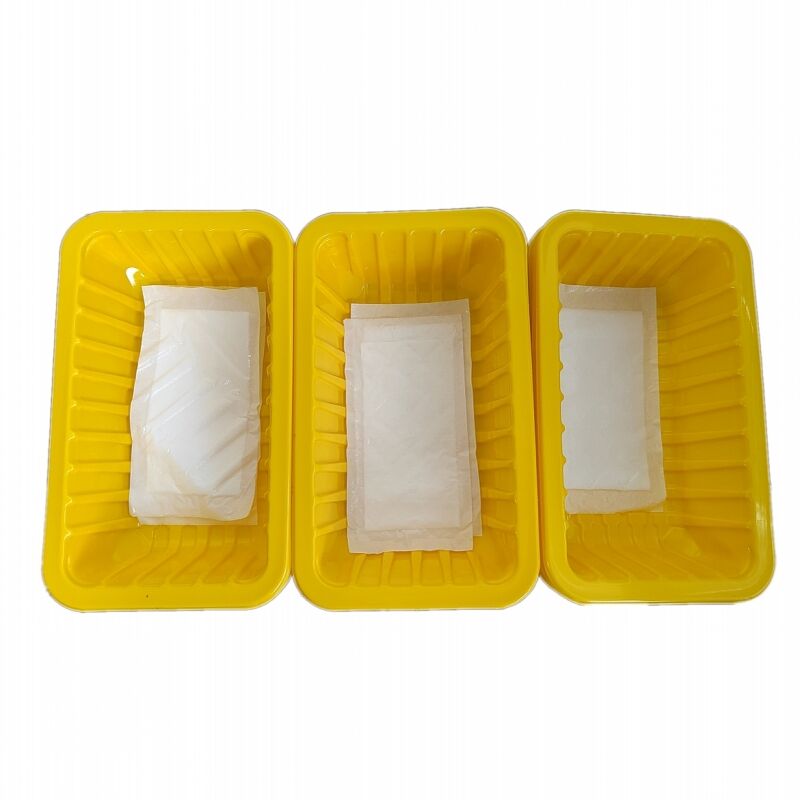
In today's competitive marketplace, protecting delicate items during storage, transportation, and display remains a critical challenge for manufacturers and retailers across multiple industries. From fragile electronics and medical devices to cosmetics and pharmaceutical products, the integrity of these items directly impacts customer satisfaction, brand reputation, and bottom-line profitability. Among the various protective packaging solutions available, blister plastic packaging has emerged as a preferred choice for safeguarding vulnerable products. This specialized packaging method combines transparent visibility with robust physical protection, creating a secure barrier that cushions items against impact, moisture, contamination, and tampering while simultaneously enhancing product presentation at the point of sale.
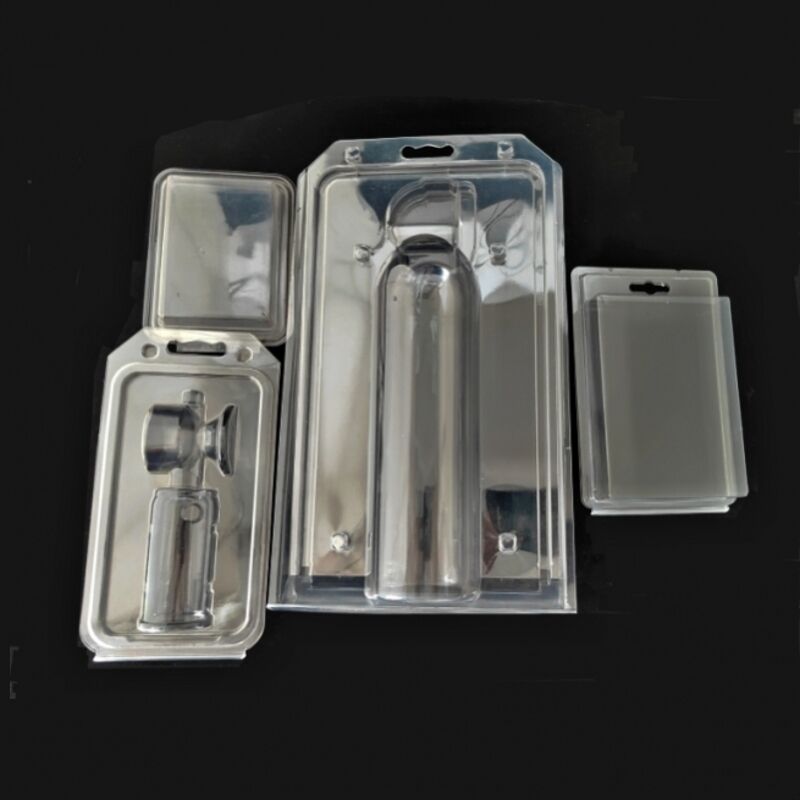
The unique structural characteristics of blister plastic packaging make it particularly well-suited for delicate items that demand exceptional care. Unlike conventional packaging methods that may leave products vulnerable to external forces, this thermoformed solution creates a custom-fitted protective shell that holds items securely in place while absorbing shocks and preventing movement during handling. The material properties, design flexibility, and manufacturing precision inherent to blister plastic packaging address the specific vulnerabilities of fragile products in ways that alternative packaging formats simply cannot match. Understanding what makes this packaging format ideal for protecting delicate items requires examining its fundamental design principles, material science advantages, protective mechanisms, and real-world performance characteristics across diverse application scenarios.
The Structural Engineering Behind Blister Plastic Packaging Protection
Custom-Contoured Cavities That Eliminate Movement
The protective superiority of blister plastic packaging begins with its ability to create precisely contoured cavities that match the exact dimensions and geometry of delicate items. Through the thermoforming process, heated plastic sheets are shaped over custom molds to produce cavities that cradle products with minimal clearance. This tight-fitting design eliminates the primary cause of damage during transit—product movement within the package. When delicate items shift inside loose packaging, they become vulnerable to impact forces, abrasion from repeated contact with packaging walls, and potential collision with other products. The custom-fitted nature of blister plastic packaging prevents this movement entirely, holding items in a suspended, protected position that distributes external forces across the entire cavity structure rather than concentrating stress on vulnerable product areas.
The engineering precision achievable with modern thermoforming technology allows manufacturers to design cavity geometries that support delicate items at their strongest structural points while avoiding contact with fragile components. For electronics containing sensitive circuit boards, the cavities can be designed to support the device housing without applying pressure to display screens or connector ports. For pharmaceutical vials and ampoules, the blister plastic packaging creates individual compartments that prevent glass-to-glass contact while supporting the container body. This level of geometric customization transforms the packaging from a simple container into a protective fixture specifically engineered for each product's unique vulnerability profile.
Impact Absorption Through Material Selection and Thickness Control
Beyond geometric fit, the material properties of blister plastic packaging contribute significantly to its protective performance for delicate items. Manufacturers can select from various thermoplastic materials—including PET, PVC, PETG, and polystyrene—each offering distinct combinations of rigidity, flexibility, clarity, and impact resistance. For delicate items requiring maximum shock absorption, thicker gauge materials or multi-layer constructions provide enhanced cushioning capacity. The plastic material itself acts as a spring-like barrier that deforms slightly under impact, converting kinetic energy into temporary material deformation rather than transmitting force directly to the protected product. This energy absorption mechanism proves particularly valuable for items vulnerable to mechanical shock, such as precision instruments, glass components, and micro-electronic assemblies.
Thickness control across different areas of the blister plastic packaging allows engineers to optimize protection where it matters most. High-risk zones that typically experience the greatest impact forces during handling and shipping—such as corners and edges—can be reinforced with thicker material sections, while areas requiring transparency for product visibility can utilize thinner gauges. This strategic thickness variation maximizes protective performance without unnecessarily increasing material costs or package weight. Advanced finite element analysis during the design phase enables packaging engineers to simulate drop tests and compression scenarios, identifying stress concentration points and adjusting material distribution accordingly before committing to production tooling.
Sealed Barrier Properties That Protect Against Environmental Threats
Delicate items often face threats beyond physical impact, including moisture infiltration, dust contamination, oxidation, and exposure to atmospheric pollutants. The barrier properties of blister plastic packaging provide a sealed protective environment that isolates products from these environmental hazards. When heat-sealed to backing cards or lidding materials, the thermoformed blister creates an enclosed chamber with controlled atmospheric conditions. For moisture-sensitive items such as desiccant-packed pharmaceuticals or hygroscopic electronic components, this sealed environment prevents humidity ingress that could compromise product integrity. The transparency of the plastic material allows visual verification of the sealed condition, enabling both quality control personnel and end users to confirm package integrity before opening.
The barrier effectiveness of blister plastic packaging extends to preventing particulate contamination that poses particular risks to delicate items with sensitive surfaces or tight mechanical tolerances. Medical devices, optical components, and precision mechanical assemblies can suffer performance degradation from dust particle intrusion. The hermetic seal created when blister cavities are bonded to backing substrates establishes a Class 1000 or better cleanroom-equivalent environment that maintains the pristine condition achieved during manufacturing. Additionally, the chemical resistance of properly selected thermoplastic materials protects contents from reactive gases and volatile organic compounds that might be present in storage or transportation environments, preventing corrosion of metal components or degradation of sensitive materials.
Material Science Advantages for Delicate Item Protection
Optical Clarity That Enables Visual Inspection Without Opening
One distinctive advantage of blister plastic packaging for protecting delicate items lies in its optical transparency, which allows comprehensive visual inspection without compromising the protective seal. This characteristic proves invaluable for quality control processes, where inspectors need to verify product condition, proper assembly, and the absence of defects without exposing items to handling damage. In pharmaceutical applications, pharmacists and patients can confirm pill count, color consistency, and absence of contamination while the medication remains securely sealed. For electronic components, engineers can verify part numbers, pin configurations, and visual condition before committing products to assembly processes. This inspection capability reduces the risk of discovering damaged or incorrect items only after protective packaging has been breached.
The transparency of blister plastic packaging also serves a protective function by enabling early detection of package compromise. Visible condensation inside the cavity immediately signals seal failure and potential moisture exposure. Discoloration, particle presence, or product displacement becomes instantly apparent, allowing removal of compromised units before they reach end users. This visual feedback mechanism effectively extends the protective function of the packaging beyond its physical barrier properties, creating a monitoring system that alerts stakeholders to environmental exposure that might have occurred during the distribution chain. For delicate items where even brief exposure to adverse conditions can cause irreversible damage, this early warning capability prevents costly failures and safety incidents.
Chemical Stability That Prevents Package-Product Interactions
The chemical inertness of properly selected blister plastic packaging materials ensures that the packaging itself does not become a source of contamination or degradation for delicate items. Unlike some packaging materials that may outgas plasticizers, residual solvents, or other volatile compounds, food-grade and pharmaceutical-grade thermoplastics used in blister applications maintain stable chemical compositions that do not interact with packaged products. This stability proves critical for items sensitive to chemical exposure, including medical devices that must remain sterile, electronic assemblies where ionic contamination can cause circuit failures, and food products where flavor or aroma compounds might be affected by packaging interactions.
The compatibility between blister plastic packaging materials and various sterilization methods further enhances their suitability for protecting delicate medical and pharmaceutical items. Materials such as PETG withstand gamma radiation sterilization without significant property changes, while maintaining the clarity and mechanical strength required for effective protection. Ethylene oxide sterilization processes can be applied to sealed blister packages, with the gas penetrating through permeable backing materials to sterilize contents while the formed plastic blister provides structural protection. This dual functionality—serving as both protective structure and sterilization barrier—makes blister plastic packaging uniquely valuable for delicate items requiring validated sterility assurance without compromising physical protection or visual accessibility.
Dimensional Stability Across Temperature Variations
Delicate items often experience temperature fluctuations during storage and transportation, creating potential risks when packaging materials expand, contract, or lose structural integrity across thermal ranges. High-quality blister plastic packaging materials demonstrate excellent dimensional stability across the temperature ranges typically encountered in distribution environments. Unlike corrugated paperboard that absorbs moisture and loses strength in humid conditions, or foam materials that may compress permanently under sustained loads at elevated temperatures, thermoformed plastic blisters maintain their protective geometry and mechanical properties across wide thermal ranges. This stability ensures that the carefully engineered protective cavity continues to cradle delicate items securely whether packages are stored in climate-controlled warehouses or exposed to seasonal temperature extremes during transportation.
The glass transition temperatures and heat deflection properties of materials commonly used in blister plastic packaging position them ideally for protecting temperature-sensitive delicate items. PET and PETG materials, for example, maintain structural rigidity at temperatures well above those encountered in non-refrigerated supply chains, ensuring that protective cavities do not soften or deform when packages are stacked in warm storage facilities or transported in uninsulated vehicles during summer months. Conversely, these materials remain impact-resistant at temperatures below freezing, preventing the brittleness that might cause package failure during cold-weather handling. This thermal performance range protects delicate items not only from direct temperature effects but also from secondary damage that could result from packaging failure under thermal stress.
Design Flexibility That Addresses Specific Vulnerability Patterns
Multi-Cavity Configurations That Prevent Inter-Product Contact
For applications involving multiple delicate items that must be packaged together, blister plastic packaging offers multi-cavity configurations that maintain individual product isolation while consolidating items into single package units. This design approach proves particularly valuable for products sold in sets—such as precision drill bit assortments, pharmaceutical regimen packs, or multi-component electronic kits—where individual pieces must be protected from contact with each other. The thermoforming process creates discrete, separated cavities within a single plastic sheet, with structural walls between cavities that prevent any possibility of product-to-product impact. This isolation eliminates damage scenarios that commonly occur in bulk packaging methods where multiple items jostle against each other during handling and transit.
The flexibility of blister plastic packaging design extends to creating cavity arrangements optimized for the specific handling characteristics of different delicate item types. Items with protruding features that could snag or break can be oriented within their cavities to position vulnerable protrusions in protected recesses. Products with asymmetric weight distribution can be positioned to maintain optimal center of gravity within the overall package, reducing tipping forces during handling. Sequential use items, such as daily-dose pharmaceutical blisters, can be arranged in calendar formats with each cavity clearly labeled, ensuring that users access products in the correct order while maintaining protection for unconsumed items. This design intelligence transforms blister plastic packaging from passive protection into an active system that guides proper product handling throughout the usage lifecycle.
Integrated Hanging and Display Features That Reduce Handling Damage
The retail environment presents unique risks to delicate items, where repeated customer handling, improper shelf stacking, and accidental drops contribute significantly to product damage rates. Blister plastic packaging addresses these challenges through integrated structural features that facilitate proper display while minimizing handling-related damage opportunities. Hanging tabs molded directly into the blister structure enable products to be displayed on peg hooks or rack systems, elevating items above crowded shelf surfaces where they might be crushed under other merchandise. This vertical display orientation not only improves product visibility and reduces theft opportunities but also substantially decreases the likelihood of compression damage from stacked inventory.
When customers handle products for examination, the rigid structure of blister plastic packaging acts as a protective cage that allows manipulation of the package without direct contact with delicate items inside. Consumers can turn packages to view products from multiple angles, read instruction details on backing cards, and compare products side-by-side without ever touching the actual items. This handling mediation proves especially important for delicate items where fingerprints, oils, or pressure from direct touching could cause damage or contamination. The psychological effect of visible-but-inaccessible products also creates a perceived value proposition, with the protective barrier subconsciously signaling product quality and precision that justifies premium pricing positions in competitive market segments.
Tamper-Evidence Features That Preserve Protective Integrity
For delicate items where unauthorized access poses safety risks or quality concerns, blister plastic packaging incorporates tamper-evidence features that make any breach of the protective seal immediately visible. Unlike resealable packaging formats where tampering might go undetected, the permanent seal between blister cavities and backing materials cannot be opened without visible destruction of the package structure. Perforated tear strips, frangible seal areas, and purposely designed weak points ensure that any attempt to access products creates obvious evidence of package compromise. This tamper-evidence characteristic extends the protective function of the packaging into the security domain, preventing substitution of counterfeit items, contamination attempts, or theft followed by package resealing.
The tamper-evidence provided by blister plastic packaging particularly benefits delicate pharmaceutical items where product integrity relates directly to patient safety. Regulatory frameworks in most jurisdictions require tamper-evident packaging for oral medications, with blister formats widely recognized as meeting these requirements without additional security seals or overwraps. Each individual dose remains sealed until the moment of consumption, with the intact blister providing visual confirmation that no tampering has occurred. For delicate medical devices, the combination of tamper-evidence and sterile barrier properties creates a comprehensive protection system that maintains both physical integrity and microbiological safety from manufacturing through point of use, addressing the full spectrum of risks that threaten delicate item quality throughout the distribution chain.
Manufacturing Precision and Quality Control Advantages
Repeatable Production Processes That Ensure Consistent Protection
The manufacturing processes used to produce blister plastic packaging deliver exceptional repeatability, ensuring that every package provides identical protective performance regardless of production batch or timing. Modern thermoforming equipment operates with tight process controls over heating temperatures, forming pressures, cooling rates, and cycle times, producing cavity geometries that match design specifications within tolerances measured in hundredths of millimeters. This manufacturing precision eliminates the variability that plagues hand-assembled packaging solutions or processes dependent on operator skill levels. For delicate items where even slight variations in protective cavity dimensions could compromise product security, the automated consistency of blister plastic packaging production provides reliable protection across millions of units.
Quality control integration within blister plastic packaging manufacturing lines enables real-time detection of production anomalies before defective packages reach filling operations. Vision inspection systems verify cavity formation quality, seal integrity, and dimensional accuracy at production speeds, automatically rejecting units that fail to meet specifications. This inline quality verification ensures that only packages meeting full protective performance standards advance to product loading, eliminating the risk that delicate items might be placed in compromised packaging. The statistical process control data generated during production provides documentation of packaging quality that supports regulatory compliance requirements for pharmaceutical and medical device applications, creating traceable evidence that protective packaging met validated performance standards.
Automated Filling Operations That Minimize Handling Exposure
The standardized dimensions and geometry of blister plastic packaging enable integration with automated product loading systems that minimize human handling of delicate items during the packaging process itself. High-speed blister cartoning lines use precision robotic placement mechanisms to position products into cavities without the finger contact, improper pressure, or accidental drops that can occur during manual packaging operations. For extremely delicate items such as semiconductor components, optical elements, or micro-mechanical assemblies, this automated loading occurs in controlled-environment chambers that maintain cleanliness standards impossible to achieve with hand packaging. The blister plastic packaging serves as the transport mechanism that carries products through these automated processes, with cavity geometry designed to facilitate reliable robotic handling while maintaining product protection.
The compatibility between blister plastic packaging and automated systems extends throughout the distribution chain, with standardized package dimensions enabling efficient case packing, palletization, and warehouse handling using automated material handling equipment. Delicate items remain secured within their protective cavities throughout these processes, never exposed to the direct handling that creates damage opportunities. The rigid structure of sealed blister packages also facilitates automated quality inspection at various supply chain checkpoints, where package weight verification, seal integrity testing, and visual inspection can be performed without removing products from their protective packaging. This end-to-end automation capability transforms blister plastic packaging into a comprehensive protection system that shields delicate items from the moment of manufacture through final customer delivery.
Validation Testing That Confirms Protective Performance
The protective claims made for blister plastic packaging can be validated through standardized testing protocols that simulate real-world distribution hazards and quantify package performance. Drop testing from specified heights onto various surface types measures the ability of the package to protect contents from impact forces encountered during handling accidents. Vibration testing simulating transportation conditions verifies that products remain secured within cavities despite sustained oscillation and that package materials do not fatigue or crack under prolonged dynamic loading. Compression testing determines the stacking strength of packages, ensuring that delicate items remain protected even when subjected to the weight of multiple layers of stacked inventory in warehouse environments.
For blister plastic packaging protecting pharmaceutical and medical device items, validation extends to specialized testing protocols that verify sterile barrier integrity, aging stability, and compatibility with various sterilization modalities. Accelerated aging studies expose sealed packages to elevated temperature and humidity conditions equivalent to years of real-time storage, confirming that seal strength and barrier properties remain effective throughout intended shelf life periods. Dye penetration testing and microbial challenge studies provide quantitative evidence that sealed blister packages maintain sterile conditions despite handling and environmental exposure. This validation data not only confirms the protective capabilities of specific packaging designs but also provides the documented evidence required by regulatory agencies overseeing medical and pharmaceutical product distribution, ensuring that protection claims are supported by objective performance data.
Economic and Sustainability Considerations
Material Efficiency That Reduces Protection Costs
Despite its superior protective performance, blister plastic packaging often delivers these benefits at lower total costs compared to alternative protection methods for delicate items. The thermoforming process creates protective structures from thin-gauge plastic sheets, using minimal material volume to achieve substantial protective strength through strategic geometry rather than mass. A typical blister package protecting a delicate electronic component might use only a few grams of plastic material, compared to the foam inserts, corrugated dividers, and outer cartons that would be required to achieve equivalent protection using traditional packaging approaches. This material efficiency translates directly into reduced packaging costs per unit, freeing budget resources for other quality investments while maintaining excellent product protection.
The space efficiency of blister plastic packaging contributes additional economic advantages throughout the distribution chain. The close-fitting nature of thermoformed cavities eliminates void space, creating compact packages that maximize product density during shipping and storage. Transportation costs decrease proportionally to the number of units that fit within standard shipping containers and vehicle loads. Warehouse space requirements diminish as more product units can be stored within available facility footprints. For delicate items with high value-to-volume ratios, these logistical efficiencies can generate substantial cost savings that offset packaging material expenses many times over. The rigid, stackable nature of sealed blister packages also enables higher stacking heights in storage compared to products in flexible packaging, further increasing space utilization efficiency.
Recyclability and Material Recovery Pathways
Modern blister plastic packaging designs increasingly incorporate sustainability considerations, with material selection and package architecture decisions made to facilitate end-of-life recycling and material recovery. Monomaterial constructions using single plastic types—such as all-PET or all-PETG packages—simplify recycling processes by eliminating the need to separate different polymer types. Clear labeling with resin identification codes enables consumers and waste management systems to correctly sort packages for material recovery. Some blister plastic packaging manufacturers have adopted post-consumer recycled content in their sheet materials, creating closed-loop systems where recycled packages become feedstock for new packaging production, reducing dependence on virgin plastic resins.
The long-term sustainability trajectory for blister plastic packaging protecting delicate items increasingly points toward advanced material innovations including bio-based plastics derived from renewable feedstocks and biodegradable polymers that break down under industrial composting conditions. While maintaining the protective performance characteristics essential for delicate item protection, these next-generation materials address environmental concerns about persistent plastic waste in natural ecosystems. Research into barrier coatings applied to biodegradable substrates aims to replicate the moisture and oxygen barrier properties currently provided by conventional thermoplastics, potentially enabling compostable blister plastic packaging for pharmaceutical and food applications where environmental protection remains essential throughout shelf life but package persistence after disposal becomes unnecessary.
FAQ
How does blister plastic packaging compare to foam cushioning for protecting delicate electronics?
Blister plastic packaging offers several advantages over foam cushioning for delicate electronics protection. The thermoformed plastic creates a rigid protective shell with custom-fitted cavities that prevent product movement entirely, while foam allows some displacement that can permit impact forces to reach products. The transparency of blister plastic packaging enables visual verification of product condition and proper placement without opening packages, which foam materials do not allow. Additionally, blister packages provide superior protection against moisture and contamination through sealed barrier properties, whereas foam materials may absorb humidity and harbor particulate matter. The dimensional stability of plastic across temperature ranges also exceeds that of many foam materials, which can compress permanently under sustained loads or elevated temperatures. For applications requiring both physical protection and environmental isolation, blister plastic packaging typically delivers more comprehensive protection than foam alone.
Can blister plastic packaging protect items during international shipping and extended storage periods?
Yes, properly designed blister plastic packaging provides excellent protection for delicate items throughout international shipping and extended storage durations. The sealed barrier created when blisters are bonded to backing materials protects contents from humidity variations, temperature fluctuations, and contamination exposure encountered during transcontinental transportation. The rigid structure withstands the compression forces from stacked cargo and repeated handling during multiple transfer points in complex logistics chains. Material selection incorporating UV stabilizers prevents degradation from sunlight exposure during outdoor storage or transport in open containers. For extended storage applications, accelerated aging validation testing confirms that seal integrity and material properties remain stable for periods of two years or more under controlled warehouse conditions. The key to successful long-duration protection lies in appropriate material selection, validated seal methods, and package design matched to the specific vulnerability profile of protected items and anticipated environmental exposure during the distribution journey.
What makes blister plastic packaging particularly suitable for pharmaceutical products compared to bottle packaging?
Blister plastic packaging offers distinct advantages for pharmaceutical products that bottle packaging cannot match. Individual dose isolation in separate sealed cavities prevents cross-contamination between tablets or capsules and maintains product integrity even if one cavity is compromised. The hermetic seal of each cavity protects medications from atmospheric moisture that can degrade hygroscopic drugs, providing superior stability compared to bottle packaging where the entire contents are exposed each time the container is opened. The unit-dose format facilitates medication adherence by clearly presenting each dose separately, reducing confusion about whether medication has been taken. Tamper-evidence is inherent to the blister format, with any attempt to access medication creating visible package destruction, whereas bottle caps can potentially be removed and replaced. The barrier properties of blister plastic packaging also enable targeted protection matched to specific drug sensitivity, with material selection and cavity design customized to the stability requirements of individual pharmaceutical compounds in ways that standardized bottles cannot accommodate.
Does the transparency of blister plastic packaging compromise protection compared to opaque packaging materials?
The transparency of blister plastic packaging does not inherently compromise protective performance and actually enhances certain protection aspects compared to opaque alternatives. While transparency provides less light blocking than opaque materials, UV stabilizers and light-blocking coatings can be incorporated into clear plastics when photosensitive products require light protection, maintaining transparency for visual inspection while providing necessary UV barriers. The ability to visually verify package integrity and product condition without opening packages actually strengthens protection by enabling early detection of seal failures, contamination, or damage before products are deployed or consumed. For many delicate items, the mechanical and environmental protection provided by sealed plastic cavities represents a greater threat mitigation than light exposure, making transparency a net protective advantage. In applications where complete light blocking is essential, amber-tinted or opaque thermoformed materials can be specified while retaining all other protective characteristics of blister plastic packaging, demonstrating that optical properties can be tailored to specific product requirements without sacrificing structural protection capabilities.
Table of Contents
- The Structural Engineering Behind Blister Plastic Packaging Protection
- Material Science Advantages for Delicate Item Protection
- Design Flexibility That Addresses Specific Vulnerability Patterns
- Manufacturing Precision and Quality Control Advantages
- Economic and Sustainability Considerations
-
FAQ
- How does blister plastic packaging compare to foam cushioning for protecting delicate electronics?
- Can blister plastic packaging protect items during international shipping and extended storage periods?
- What makes blister plastic packaging particularly suitable for pharmaceutical products compared to bottle packaging?
- Does the transparency of blister plastic packaging compromise protection compared to opaque packaging materials?