
 EN
EN
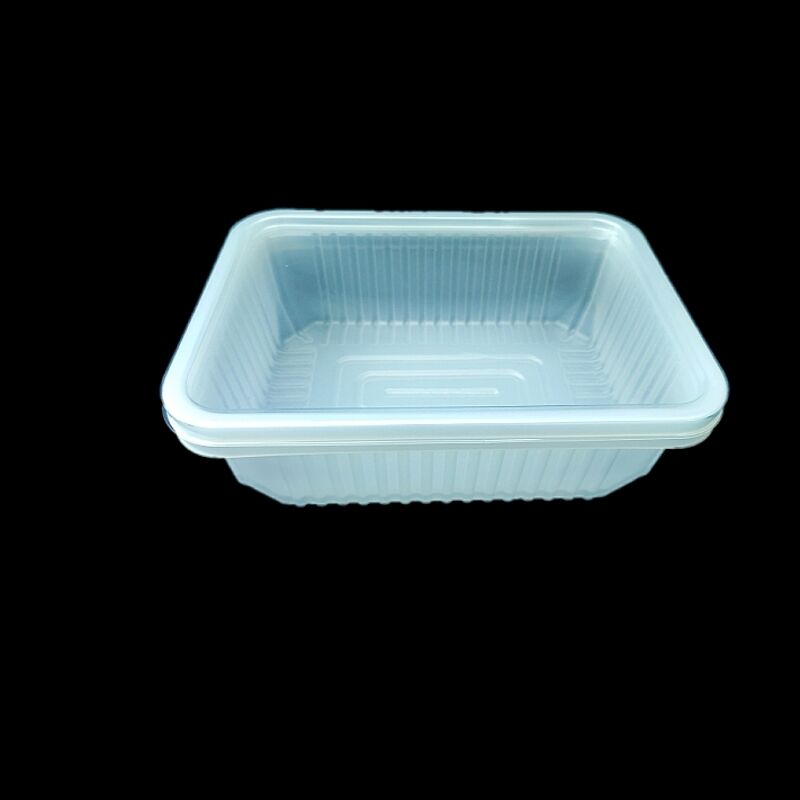
Automated meat packing plants face constant pressure to increase throughput, reduce labor costs, and maintain strict hygiene standards while handling delicate protein products. Among the numerous packaging innovations that have emerged to address these challenges, roll over wrap trays have gained significant attention for their potential to streamline operations and enhance overall efficiency. These specialized packaging solutions are designed to work seamlessly with automated wrapping equipment, offering a compelling alternative to traditional rigid trays and manual wrapping processes that often create bottlenecks in high-volume production environments.
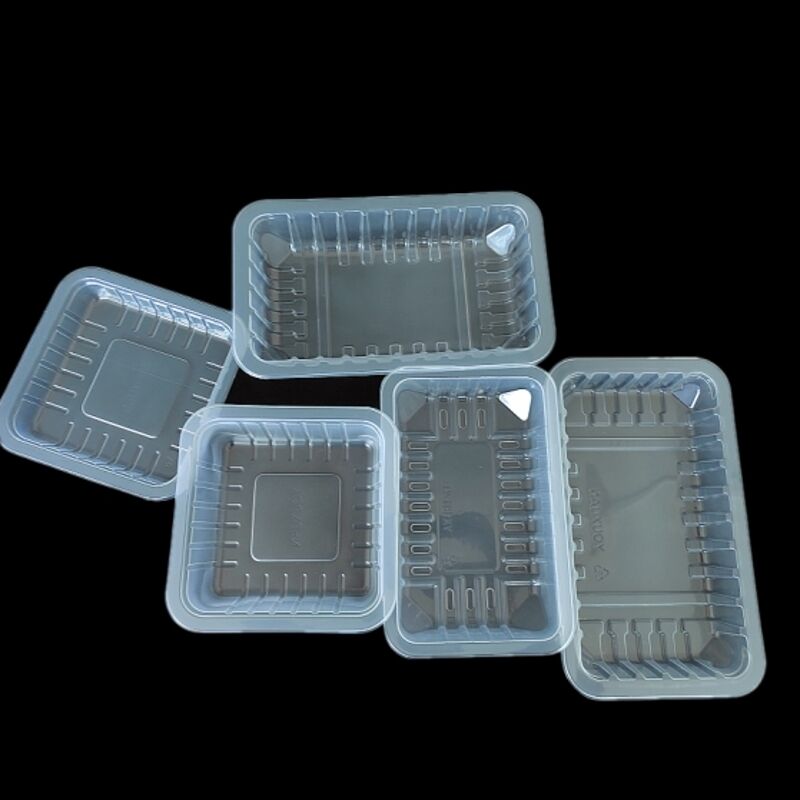
The answer to whether roll over wrap trays can improve efficiency in automated meat packing plants is affirmative, but the extent of improvement depends on several operational factors including production volume, product variety, existing equipment compatibility, and workflow design. When properly integrated into automated systems, these trays can significantly reduce packaging time per unit, minimize material waste, lower labor requirements, and improve presentation consistency. However, achieving these benefits requires careful consideration of tray specifications, machine calibration, and staff training to ensure the packaging system operates at optimal performance levels throughout extended production runs.
Understanding the Operational Mechanism Behind Roll Over Wrap Trays
Design Features That Enable Automation Compatibility
Roll over wrap trays are engineered with specific geometric and material properties that make them uniquely suited for automated packaging lines. Unlike conventional trays that require complex positioning and manipulation, roll over wrap trays feature standardized dimensions and precisely molded corners that allow automated equipment to handle them with minimal adjustment. The tray design typically incorporates registration points or alignment guides that enable vision systems and mechanical grippers to locate and orient each tray consistently, which is essential for maintaining high-speed operation without frequent stoppages for repositioning.
The material composition of roll over wrap trays plays a critical role in their automation performance. Most are manufactured from food-grade polymers that provide the right balance of rigidity for structural integrity and flexibility for film adhesion. This material engineering ensures that when the wrapping film is applied and sealed, it creates a tight, wrinkle-free package that protects the meat product while presenting an attractive retail appearance. The tray edges are designed with specific profiles that facilitate smooth film release during the roll-over wrapping process, preventing tearing or incomplete seals that would trigger rejection mechanisms in quality control systems.
Another key design aspect is the drainage and ventilation features integrated into many roll over wrap trays. These channels or perforations allow purge fluids to collect away from the meat surface, maintaining product presentation quality during the distribution cycle. For automated systems, this design consideration becomes particularly important because it reduces the need for absorbent pads or additional processing steps that would slow down the packaging line. The standardized placement of these features across all trays in a production run ensures that automated equipment can apply films and seals without accommodation for variable tray configurations.
Integration With High-Speed Wrapping Equipment
The efficiency gains from roll over wrap trays become most apparent when examining their interaction with automated wrapping machinery. Modern wrapping systems designed for these trays can process units at rates exceeding two hundred packages per minute under optimal conditions, a throughput level that would be impossible with manual operations or less compatible tray designs. The automated equipment uses precisely timed mechanical arms or conveyors to position each loaded tray under the film dispenser, where a measured length of packaging film is deployed, wrapped around the tray perimeter, and sealed to the tray flange in a continuous motion.
The synchronization between tray feed systems and wrapping mechanisms is critical for maintaining efficiency. Roll over wrap trays are typically supplied in stacks that can be automatically de-nested and fed into the loading station where meat products are placed either manually or through robotic systems. The uniform dimensions and stacking characteristics of these trays enable reliable denesting without jamming, which is a common problem with irregular or damaged packaging materials. This consistency translates directly into reduced downtime and fewer operator interventions, allowing the packaging line to run for extended periods with minimal supervision.
Quality control integration represents another efficiency dimension enabled by roll over wrap trays. Because these trays move through automated systems in predictable orientations, inline inspection equipment such as weight checkers, metal detectors, and vision systems can be positioned to verify package integrity without slowing the production flow. Any packages that fail to meet specifications can be automatically diverted to rejection lanes while conforming units continue toward case packing stations. This seamless quality verification process, facilitated by the standardized nature of roll over wrap trays, helps meat packing plants maintain food safety compliance while maximizing production efficiency.
Quantifying Efficiency Improvements in Production Environments
Labor Cost Reduction Through Automation
One of the most significant efficiency improvements that roll over wrap trays deliver in automated meat packing plants is the reduction in direct labor requirements for packaging operations. Traditional manual wrapping processes typically require multiple workers per packaging station to handle product placement, film application, sealing, labeling, and quality inspection. When roll over wrap trays are integrated with automated equipment, these labor-intensive steps are consolidated into machine operations that require only supervisory oversight and periodic material replenishment. This transformation can reduce packaging labor costs by forty to sixty percent in high-volume facilities, allowing workforce resources to be reallocated to value-added activities such as product preparation and quality assurance.
The consistency of output from automated systems using roll over wrap trays also reduces the need for rework and correction of packaging defects. Manual wrapping inevitably produces variations in seal quality, film tension, and presentation appearance, requiring additional personnel to inspect and correct substandard packages before they can be shipped. Automated systems eliminate much of this variability, producing packages that meet specifications on the first pass and reducing the labor hours spent on quality correction. For meat packing plants operating on thin margins, this improvement in first-pass yield translates directly into cost savings and improved profitability.
Beyond direct labor reduction, roll over wrap trays contribute to efficiency by simplifying training requirements and reducing workforce turnover impact. Automated packaging systems require operators with technical skills to monitor equipment performance and perform routine maintenance, but these positions typically require fewer workers than manual packaging lines. When turnover occurs, the training period for new automation operators is generally shorter than training manual wrappers to achieve consistent quality standards, resulting in less disruption to production schedules and lower ongoing training costs.
Material Utilization and Waste Minimization
Efficiency in automated meat packing extends beyond labor considerations to encompass material utilization, where roll over wrap trays demonstrate measurable advantages. Automated wrapping systems precisely measure and cut packaging film to match the tray dimensions, eliminating the excess material consumption common in manual operations where workers tend to use longer film lengths to ensure complete coverage and secure seals. This precision can reduce film consumption by ten to twenty percent compared to manual methods, generating substantial cost savings given the high volumes of packaging material used in industrial meat processing facilities.
The design of roll over wrap trays also contributes to waste reduction through improved product protection during distribution. The secure sealing and consistent packaging quality achieved with automated systems minimizes product damage and spoilage, which represents a significant source of waste in the meat industry. When packages arrive at retail destinations with compromised seals or damaged trays, the product must be discarded or repackaged, creating losses that impact overall system efficiency. By reducing these losses, roll over wrap trays help meat packing plants improve their effective yield from raw material inputs, enhancing profitability while reducing environmental impact.
Tray recyclability and end-of-life considerations further enhance the efficiency profile of roll over wrap trays in sustainability-conscious operations. Many modern formulations use mono-material constructions that facilitate recycling, and the standardized dimensions of these trays make them easier to collect and process in recycling streams compared to mixed material packaging. For meat packing plants facing increasing regulatory pressure and customer demands for sustainable packaging solutions, the efficiency gains from roll over wrap trays extend beyond immediate operational metrics to include long-term environmental performance and brand reputation benefits.
Operational Factors That Influence Efficiency Outcomes
Production Volume and Throughput Requirements
The efficiency improvements that roll over wrap trays deliver are not uniform across all meat packing operations; they are significantly influenced by production volume characteristics. High-volume plants processing thousands of packages per shift realize the greatest efficiency gains because the capital investment in automated wrapping equipment and compatible roll over wrap trays is amortized across a large number of units. In these environments, the speed advantages of automated systems become decisive factors in meeting production targets, and the consistency of roll over wrap trays ensures that equipment operates at rated capacity without frequent adjustments or downtime.
Conversely, smaller meat packing facilities with lower throughput requirements may find that the efficiency benefits of roll over wrap trays are less pronounced, particularly when considering the upfront investment in automation equipment. These operations might achieve adequate efficiency using semi-automated systems or even manual wrapping with standardized trays, depending on their labor cost structure and market positioning. The decision to implement roll over wrap trays should therefore be based on a thorough analysis of production volume projections, labor availability, and competitive positioning rather than assuming universal efficiency improvements across all operational scales.
Product changeover frequency also affects the efficiency equation for roll over wrap trays in automated systems. Facilities that package a wide variety of meat products in different sizes and configurations may experience more frequent equipment adjustments and tray changeovers, which can reduce the net efficiency gains compared to plants with more homogeneous product mixes. Modern automated systems often incorporate quick-change features that minimize downtime during product transitions, but even with these capabilities, operations with extensive product variety may not achieve the same efficiency levels as those with standardized product ranges that allow continuous runs of identical roll over wrap trays.
Equipment Compatibility and System Integration
The extent to which roll over wrap trays improve efficiency depends critically on the compatibility between the trays and existing or planned automation equipment. Not all wrapping machines are designed to handle all tray configurations, and selecting trays without verifying equipment compatibility can result in performance problems that negate potential efficiency gains. Meat packing plants must work closely with equipment manufacturers and tray suppliers to ensure that dimensional specifications, material properties, and handling characteristics align with the capabilities of their automated systems. This coordination may require tray customization or equipment modification to achieve optimal performance.
Integration of roll over wrap trays into broader plant automation systems represents another factor influencing efficiency outcomes. In advanced facilities, packaging lines are connected to enterprise resource planning systems, inventory management platforms, and quality tracking databases that require seamless data exchange. The packaging process using roll over wrap trays must be designed to capture and transmit relevant information such as package weights, lot codes, and production timestamps without creating system bottlenecks. When this integration is properly executed, roll over wrap trays contribute to efficiency not only through direct packaging speed improvements but also through enhanced traceability and inventory accuracy.
Maintenance requirements and equipment reliability considerations also impact the realized efficiency benefits of roll over wrap trays. Automated wrapping systems require regular maintenance to maintain performance specifications, and the complexity of these machines means that unplanned downtime can be costly. Roll over wrap trays that are engineered to minimize equipment wear and reduce the frequency of component replacement contribute to higher overall equipment effectiveness by extending intervals between maintenance events. Meat packing plants should evaluate the total cost of ownership for automated systems using roll over wrap trays, including maintenance labor, spare parts inventory, and downtime costs, to accurately assess efficiency improvements over the equipment lifecycle.
Strategic Implementation Considerations for Maximum Efficiency
Workflow Design and Line Balancing
Achieving maximum efficiency improvements from roll over wrap trays requires careful attention to overall workflow design and production line balancing. The packaging operation must be synchronized with upstream processes such as portioning, marinating, and product loading to prevent bottlenecks that would limit throughput despite the speed capabilities of automated wrapping equipment. This synchronization often requires investment in buffer systems or accumulation conveyors that allow continuous operation of the wrapping line even when upstream processes experience temporary slowdowns, ensuring that the efficiency potential of roll over wrap trays is fully realized.
Downstream integration with case packing and palletizing operations is equally important for capturing efficiency gains. High-speed wrapping systems using roll over wrap trays can produce packaged products faster than manual or semi-automated downstream operations can handle, creating accumulation points that require additional floor space and material handling equipment. Progressive meat packing plants address this challenge by implementing automated case packing systems that match the output rate of their wrapping lines, creating a balanced flow from raw product input through finished goods palletization. This holistic approach to line design ensures that efficiency improvements at the packaging stage translate into overall plant productivity gains.
Quality control checkpoints must also be strategically positioned within workflows utilizing roll over wrap trays to maintain efficiency while ensuring product safety and compliance. Inline inspection systems should be located immediately after the wrapping operation to identify and divert defective packages before they enter the case packing stage, minimizing the labor required for quality correction and reducing the risk of shipping nonconforming products. The consistent presentation and orientation of packages in roll over wrap trays facilitates the deployment of automated inspection technologies such as vision systems and leak detectors, which can verify package integrity at production speeds without human intervention.
Staff Training and Change Management
The human factors associated with implementing roll over wrap trays in automated systems significantly influence the magnitude of efficiency improvements. Production personnel who have operated manual or semi-automated packaging equipment may initially resist transitioning to fully automated systems, viewing the change as threatening to job security or requiring unfamiliar technical skills. Effective change management programs that clearly communicate the benefits of automation, provide comprehensive training, and create opportunities for workers to develop new capabilities are essential for realizing the full efficiency potential of roll over wrap trays in meat packing environments.
Training programs should address both the technical aspects of operating automated equipment and the quality standards that must be maintained when using roll over wrap trays. Operators need to understand how to load trays correctly, monitor equipment performance indicators, recognize common problems such as film tracking errors or seal defects, and perform routine adjustments to maintain optimal operation. This knowledge enables the workforce to maximize uptime and production quality, directly contributing to the efficiency improvements that justify investment in roll over wrap trays and associated automation equipment.
Continuous improvement initiatives that engage frontline workers in identifying efficiency optimization opportunities can further enhance the benefits of roll over wrap trays. Operators who work daily with automated packaging equipment often develop insights into minor adjustments or procedural refinements that can incrementally improve throughput or reduce waste. Creating formal mechanisms for capturing and implementing these suggestions, such as regular improvement meetings or suggestion programs with recognition for contributions, helps meat packing plants extract maximum value from their investment in roll over wrap trays and automation technology.
FAQ
What production volume justifies investing in roll over wrap trays and automated equipment?
The investment in roll over wrap trays and compatible automated wrapping equipment typically becomes economically justified when a meat packing plant processes at least five hundred to one thousand packages per hour on a consistent basis. At this volume threshold, the labor savings and efficiency improvements offset the capital costs within a reasonable payback period of two to four years. Smaller operations may still benefit from roll over wrap trays if they are planning for growth, face acute labor shortages, or compete in premium markets where consistent packaging quality provides competitive advantage. The specific break-even point varies based on local labor costs, product margins, and available automation incentives or financing options.
How do roll over wrap trays perform with different types of meat products?
Roll over wrap trays demonstrate versatility across various meat product categories including beef steaks, pork chops, chicken portions, and ground meat, though performance optimization may require specific tray designs for different product characteristics. Products with irregular shapes or high moisture content may require trays with enhanced drainage features and specialized sealing parameters to maintain package integrity throughout the distribution cycle. Fresh products that require modified atmosphere packaging can be accommodated by automated systems using compatible roll over wrap trays, though this application typically requires more sophisticated equipment with gas flushing capabilities. Processed and marinated products generally package well in standard roll over wrap trays without special accommodations.
Can existing packaging lines be retrofitted to use roll over wrap trays?
Retrofitting existing packaging lines to accommodate roll over wrap trays is possible in many cases, but feasibility depends on the current equipment configuration and the extent of automation already present. Lines that currently use manual wrapping can often be upgraded with automated wrapping modules designed for roll over wrap trays, though this may require modifications to conveyor systems and product loading stations to ensure proper integration. Facilities using older automated equipment may face more significant challenges if their existing machines are not compatible with modern tray designs or cannot be adapted through software updates and mechanical adjustments. A thorough assessment by equipment specialists and tray suppliers is essential before committing to a retrofit project to ensure that anticipated efficiency improvements justify the conversion costs.
What are the main maintenance requirements for automated systems using roll over wrap trays?
Automated wrapping equipment designed for roll over wrap trays requires regular preventive maintenance to sustain efficiency levels, including daily cleaning of film paths and sealing surfaces, weekly lubrication of mechanical components, and periodic replacement of wear items such as cutting blades and seal bars. The frequency and complexity of maintenance depend on production volume and operating conditions, with high-volume operations typically requiring more intensive maintenance schedules. Most equipment manufacturers provide detailed maintenance protocols and offer service contracts that include scheduled inspections and emergency support. Meat packing plants should budget approximately three to five percent of equipment value annually for maintenance parts and services, though this percentage may be higher during the initial years of operation as staff develop familiarity with equipment requirements and optimal operating parameters.
Table of Contents
- Understanding the Operational Mechanism Behind Roll Over Wrap Trays
- Quantifying Efficiency Improvements in Production Environments
- Operational Factors That Influence Efficiency Outcomes
- Strategic Implementation Considerations for Maximum Efficiency
-
FAQ
- What production volume justifies investing in roll over wrap trays and automated equipment?
- How do roll over wrap trays perform with different types of meat products?
- Can existing packaging lines be retrofitted to use roll over wrap trays?
- What are the main maintenance requirements for automated systems using roll over wrap trays?