
 EN
EN
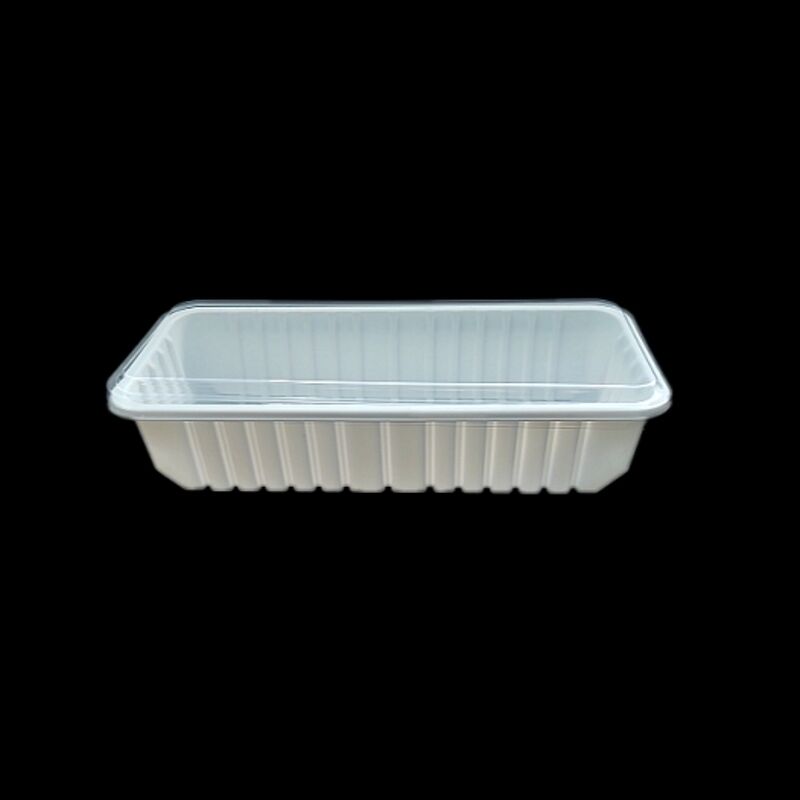
Retailers constantly seek packaging solutions that not only protect products but also drive sales at critical decision points. The checkout counter represents one of the most valuable real estate locations in any retail environment, where customers make last-minute purchasing decisions within seconds. A plastic clamshell box serves as a powerful merchandising tool specifically engineered to capture attention, communicate product value, and trigger spontaneous buying behavior precisely when shoppers are primed to add one more item to their cart. Understanding how this packaging format influences consumer psychology and purchasing patterns can transform your product presentation strategy and significantly boost conversion rates at the point of sale.
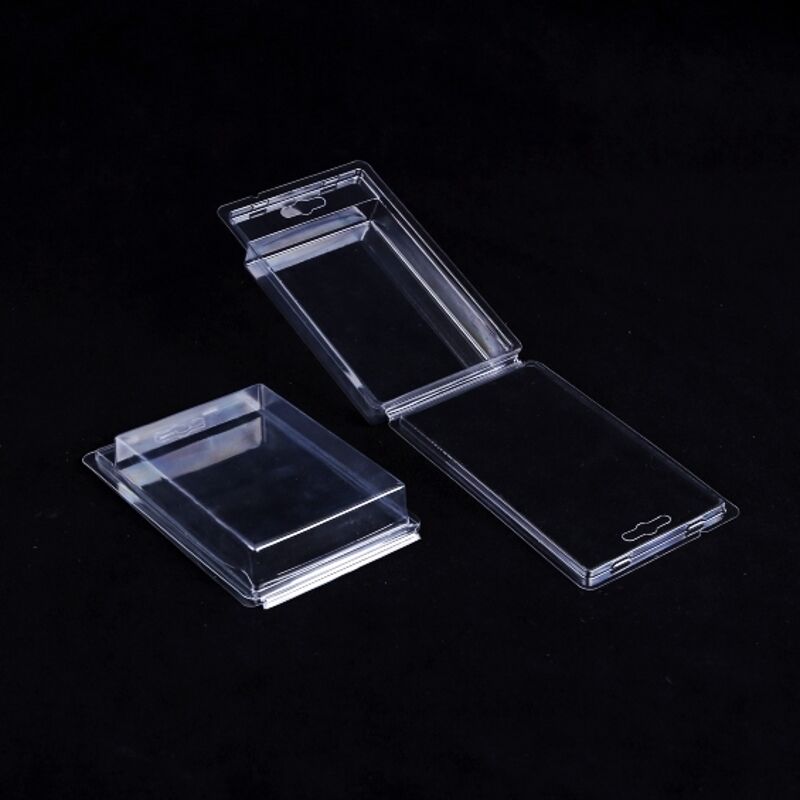
The mechanics of impulse purchasing rely heavily on visual stimulation, perceived value, and minimal friction in the decision-making process. When products are displayed in a plastic clamshell box near checkout lanes, they benefit from premium visibility combined with protective clarity that allows complete product inspection without opening the package. This packaging format eliminates common barriers to impulse buying by presenting merchandise in a way that feels both accessible and secure, while simultaneously conveying quality and professionalism that justifies spontaneous spending. The transparent nature of clamshell packaging creates an immediate connection between the shopper and the product, reducing hesitation and accelerating purchase decisions during those crucial final moments before payment.
Visual Impact and Attention Capture Mechanisms
Transparency as a Psychological Trigger
The transparent design of a plastic clamshell box fundamentally changes how consumers perceive products at checkout. Unlike opaque packaging that requires imagination or trust, clear clamshell formats provide complete visual access to the actual product, eliminating uncertainty and creating immediate desire. This transparency functions as a psychological accelerator because shoppers can instantly assess quality, color, size, and features without handling the package or reading extensive descriptions. Research in retail psychology consistently demonstrates that visible products generate higher impulse purchase rates because they reduce cognitive load and decision-making time, two critical factors when customers are standing in line with limited patience and attention span.
The clarity of plastic clamshell box packaging also communicates product quality through association. When consumers see merchandise protected within rigid, transparent packaging, they subconsciously assign higher value to the contents compared to items in basic pouches or cardboard boxes. This perception of premium quality justifies higher price points and reduces price resistance during impulse buying moments. The visual honesty of showing the actual product builds trust instantaneously, which is essential for unplanned purchases where brand familiarity may be low and decision time is compressed to mere seconds.
Strategic Product Positioning and Display Optimization
A plastic clamshell box enables vertical display configurations that maximize visibility in crowded checkout environments. The rigid structure allows products to stand upright on hooks, spinners, or shelf edges, ensuring they occupy eye-level positions where impulse purchases are most likely to occur. This three-dimensional presentation creates multiple viewing angles, allowing shoppers to examine products from various perspectives while waiting in line. The ability to hang clamshell packaging on pegboards or display racks transforms otherwise wasted vertical space into high-performing sales territory, multiplying the number of impulse items that can be positioned within the critical checkout zone.
The consistent dimensions and stacking capability of plastic clamshell box formats facilitate organized, abundant displays that convey popularity and urgency. When multiple units are neatly arranged, they create a visual statement of product availability that triggers scarcity psychology even in abundance. Shoppers perceive well-stocked displays as evidence of product desirability, which reinforces the impulse to purchase before others claim remaining inventory. This organized presentation also allows retailers to implement effective cross-merchandising strategies, grouping complementary products in coordinated clamshell packaging to encourage multiple impulse purchases during a single checkout experience.
Reducing Purchase Friction and Decision Barriers
Pre-Decision Product Inspection Without Package Violation
One of the most powerful attributes of a plastic clamshell box is its ability to satisfy consumer curiosity without requiring package opening. Impulse purchases often fail when shoppers must break seals or request assistance to examine products, introducing friction that provides time for rational reconsideration. Clamshell packaging eliminates this barrier by offering complete visual access while maintaining tamper-evident security. Customers can rotate the package, read included information cards, and assess product condition without compromising package integrity, allowing them to satisfy inspection urges that might otherwise derail spontaneous buying decisions.
This inspection capability is particularly valuable for technical products, accessories, or items with multiple components where shoppers want assurance that all parts are included. The plastic clamshell box format allows manufacturers to arrange contents attractively within the package, creating an unboxing preview that builds excitement and confidence simultaneously. When consumers can verify package contents visually, they experience reduced purchase anxiety and increased willingness to commit to unplanned spending. This transparency also reduces post-purchase regret, as customers have clear expectations about what they are buying, leading to lower return rates and higher satisfaction with impulse purchases.
Perceived Value Enhancement Through Premium Presentation
The rigid structure and professional appearance of plastic clamshell box packaging elevate perceived product value far beyond the actual packaging cost. Consumers associate clamshell formats with quality brands and premium products, making them more willing to pay higher prices for impulse items at checkout. This value perception operates on both conscious and subconscious levels, as the substantial feel and protective design suggest the contents warrant such careful packaging. When shoppers handle a well-designed plastic clamshell box, they experience tactile feedback that reinforces quality assumptions, making price objections less likely during spontaneous purchasing moments.
The professional presentation enabled by plastic clamshell box packaging also facilitates gift-giving impulse purchases. Many checkout impulse buys are small gifts, tokens of appreciation, or spontaneous treats for others. Clamshell packaging provides gift-ready presentation that eliminates the need for additional wrapping, reducing another potential friction point in the impulse buying process. The clean, transparent design allows the product to serve as its own attractive display, making it appropriate for gifting without additional preparation. This gift-ready attribute expands the impulse purchase audience beyond personal use buyers to include shoppers seeking convenient small gifts, thereby increasing total conversion potential at checkout.
Security Features That Enable Self-Service Impulse Buying
Tamper-Evident Design and Theft Deterrence
Retailers position impulse items at checkout partly because this high-traffic, supervised area reduces theft risk, but the plastic clamshell box itself provides additional security that makes self-service impulse merchandising more viable. The sealed edges and rigid construction create visible evidence of tampering attempts, discouraging package violation and product substitution. This built-in security allows retailers to display higher-value impulse items near checkout without requiring locked cases or staff assistance, both of which would eliminate the spontaneity essential to impulse purchasing. The transparent security of clamshell packaging provides loss prevention without creating customer service barriers.
The difficulty of opening a plastic clamshell box without tools or visible damage also protects product integrity throughout the distribution chain and retail display period. Products remain pristine and fully functional when customers make impulse purchase decisions, ensuring the quality matches the visual promise. This protection is particularly important for electronics, cosmetics, and small tools commonly sold as impulse items at checkout. When shoppers can trust that the product inside has not been compromised, they experience greater confidence in spontaneous purchasing decisions, knowing they will receive exactly what the transparent package displays.
Size-Appropriate Packaging That Facilitates Carry and Checkout
The compact, standardized dimensions of plastic clamshell box packaging make impulse items easy to grab, carry, and add to existing purchases without awkwardness or inconvenience. This physical convenience is crucial for impulse buying psychology, as any difficulty in handling or transporting an additional item provides an opportunity for reconsideration and purchase abandonment. Clamshell packaging creates discrete units that fit easily in hands, baskets, or on conveyor belts, removing logistical objections that might otherwise prevent spontaneous additions to planned purchases. The flat profiles and stackable nature of plastic clamshell box formats also prevent toppling or damage when added to shopping carts or bags.
The rigid protection of plastic clamshell box packaging also reassures shoppers that their impulse purchase will survive the journey home without damage. This protection eliminates a common subconscious objection to adding fragile or small items at checkout, where they might be crushed under heavier purchases or lost in large shopping bags. When consumers feel confident that their spontaneous purchase will remain intact and functional, they experience reduced risk perception and increased willingness to commit to unplanned spending. This practical consideration operates below conscious awareness but significantly influences impulse buying behavior in real checkout environments.
Brand Communication and Product Information at the Decision Point
Graphic Design Integration and Brand Storytelling
The backing cards and printed surfaces of a plastic clamshell box provide valuable real estate for brand messaging and product information precisely when consumers are making purchase decisions. Unlike products sold in bulk bins or simple bags, clamshell packaging allows manufacturers to communicate brand identity, usage instructions, and value propositions through integrated graphics that remain visible throughout the customer journey. This communication capability is particularly powerful for impulse purchases, where buyers may have limited prior brand knowledge and need rapid information transfer to justify spontaneous spending. The combination of visible product and surrounding printed information creates a complete sales presentation in a format that requires no staff explanation or additional marketing materials.
Effective plastic clamshell box design leverages this communication space to highlight key differentiators, usage scenarios, and benefit statements that trigger emotional purchase drivers. Color psychology, strategic text placement, and compelling imagery work together to create desire and urgency within the brief attention window available at checkout. Premium brands use high-quality printing on clamshell backing cards to reinforce their market positioning, while value brands emphasize quantity or performance specifications. This tailored messaging allows each product to tell its unique story at the point of sale, converting browsing shoppers into impulse buyers through targeted persuasion delivered in the critical decision moment.
Legal Compliance and Consumer Confidence Building
The structured format of a plastic clamshell box facilitates clear display of regulatory information, safety warnings, and certification marks that build consumer confidence in unfamiliar products. Impulse purchases often involve trying new brands or product categories, where trust must be established instantly. When shoppers see professional packaging with appropriate safety information, ingredient lists, or certification logos, they perceive reduced risk in spontaneous purchasing decisions. The plastic clamshell box provides adequate space for these trust signals while maintaining visual appeal, creating a balanced presentation that satisfies both emotional appeal and rational safety concerns.
This compliance-friendly design also protects retailers from liability concerns that might otherwise prevent them from stocking certain impulse items near checkout. Products in properly labeled plastic clamshell box packaging meet retail standards for consumer information and safety disclosure, making them acceptable for high-visibility placements where packaging quality reflects on store reputation. The professional presentation signals to both consumers and retail buyers that the manufacturer takes product quality and regulatory compliance seriously, facilitating distribution into premium checkout positions where impulse purchase potential is maximized. This credibility advantage is particularly important for emerging brands seeking to establish market presence through strategic impulse merchandising.
Psychological Triggers Embedded in Clamshell Package Design
Containment and Collection Dynamics
The complete containment provided by a plastic clamshell box triggers collection and completion psychology that drives impulse purchases, particularly for product lines with multiple variations or complementary items. When consumers see a neatly packaged set or individual item in clamshell format, they often experience the desire to own the complete collection or add missing pieces to existing sets. This psychological driver is amplified at checkout, where the low-friction environment encourages adding just one more item. Manufacturers strategically design plastic clamshell box packaging with consistent visual branding across product lines, creating recognizable families that encourage repeat impulse purchases as shoppers build collections over time.
The discrete, manageable units created by plastic clamshell box packaging also reduce the psychological weight of spending by presenting products as affordable individual purchases rather than significant investments. This framing effect makes impulse buying feel more justified, as each clamshell package represents a small, contained decision rather than a major commitment. The physical boundaries of the package create mental boundaries around the purchase decision, isolating the impulse buy from broader budget considerations that might otherwise prevent spontaneous spending. This containment psychology is particularly effective for products priced under typical impulse purchase thresholds, where the combination of affordable pricing and attractive clamshell presentation creates minimal resistance to adding items at checkout.
Urgency Creation Through Limited Visual Inventory
Strategic use of plastic clamshell box displays at checkout can create perceived scarcity that accelerates impulse purchasing decisions. When shoppers see limited quantities of an attractively packaged product in clamshell format, they experience fear of missing out that overrides deliberative thinking processes. The transparent packaging allows quick visual inventory assessment, making limited stock immediately apparent and triggering urgency responses. Retailers and manufacturers leverage this psychology by intentionally limiting checkout display quantities or using clamshell packaging for seasonal or limited-edition items, creating artificial scarcity that drives impulse conversion rates higher than abundant displays would achieve.
The professional presentation of products in plastic clamshell box packaging also reinforces the impression that items are special, new, or temporarily available, all of which enhance urgency-driven impulse buying. When consumers encounter unfamiliar products in premium clamshell packaging at checkout, they often assume these are new arrivals or exclusive offerings that may not be available on their next visit. This assumption, whether accurate or not, creates temporal pressure to purchase immediately rather than risk missing the opportunity. The combination of attractive presentation, transparent product visibility, and checkout placement transforms routine impulse items into opportunity purchases that shoppers feel compelled to capture before leaving the store.
FAQ
What types of products benefit most from plastic clamshell box packaging at checkout?
Products that generate the highest impulse purchase rates in plastic clamshell box packaging typically include small electronics and accessories such as phone chargers, earbuds, and cables, personal care items like cosmetics and grooming tools, candy and gum in premium presentations, small hardware items and tools, batteries, gift cards with added value items, seasonal novelties, and collectible toys or figures. These products share common characteristics including relatively low price points that fall within typical impulse purchase budgets, high perceived value when professionally packaged, visual appeal that benefits from transparent display, and practical utility that creates immediate desire. The plastic clamshell box format elevates these products from commodity status to desirable impulse purchases through premium presentation and complete visibility.
How does plastic clamshell box packaging compare to blister packs for impulse sales?
While both formats provide product visibility, plastic clamshell box packaging offers superior impulse purchase performance due to several key advantages. Clamshell designs provide complete product enclosure with 360-degree visibility when hung or displayed, whereas blister packs only show the front face. The rigid two-piece construction of clamshell packaging creates a more premium perception and better product protection, justifying higher price points for impulse items. Clamshell formats also offer more graphic design space on backing cards for persuasive messaging and brand communication. The substantial feel of a plastic clamshell box in hand triggers quality associations that encourage spontaneous purchasing, while thinner blister packs may feel less valuable. For checkout impulse merchandising, the enhanced perceived value and complete product visibility of clamshell packaging typically generates higher conversion rates despite slightly higher packaging costs.
Can plastic clamshell box packaging work for impulse sales in online retail environments?
While plastic clamshell box packaging is primarily designed for physical retail impulse purchasing, it does provide indirect benefits for online impulse sales through enhanced product photography and unboxing experience. Products packaged in clear clamshell formats photograph exceptionally well for ecommerce sites, allowing online retailers to showcase items from multiple angles without removing packaging, which maintains product integrity for fulfillment. The professional appearance in product images elevates perceived value and encourages add-on purchases during online checkout. Additionally, when online impulse purchases arrive in attractive plastic clamshell box packaging, the premium unboxing experience increases customer satisfaction and encourages repeat purchases. However, the primary impulse-driving mechanisms of clamshell packaging such as immediate tactile interaction, transparent pre-purchase inspection, and strategic checkout positioning function most effectively in physical retail environments where spontaneous decisions occur at the point of sale.
What design elements in plastic clamshell box packaging most effectively trigger impulse purchases?
The most effective impulse-driving design elements in plastic clamshell box packaging include crystal-clear transparency that provides unobstructed product views, bold color blocking on backing cards that captures attention in crowded checkout environments, strategic product positioning within the clamshell that showcases key features and creates visual balance, concise benefit statements positioned for quick reading during queue wait times, lifestyle imagery that helps shoppers envision product use, premium finishing techniques such as spot UV coating or metallic inks that signal quality, hanging holes or display features that enable eye-level positioning, and size optimization that makes packages easy to grab and carry. Successful impulse-driving clamshell designs balance aesthetic appeal with functional information delivery, creating packages that attract attention, communicate value quickly, and minimize decision-making friction during the brief window when shoppers are receptive to unplanned purchases at checkout.
Table of Contents
- Visual Impact and Attention Capture Mechanisms
- Reducing Purchase Friction and Decision Barriers
- Security Features That Enable Self-Service Impulse Buying
- Brand Communication and Product Information at the Decision Point
- Psychological Triggers Embedded in Clamshell Package Design
-
FAQ
- What types of products benefit most from plastic clamshell box packaging at checkout?
- How does plastic clamshell box packaging compare to blister packs for impulse sales?
- Can plastic clamshell box packaging work for impulse sales in online retail environments?
- What design elements in plastic clamshell box packaging most effectively trigger impulse purchases?