
 EN
EN
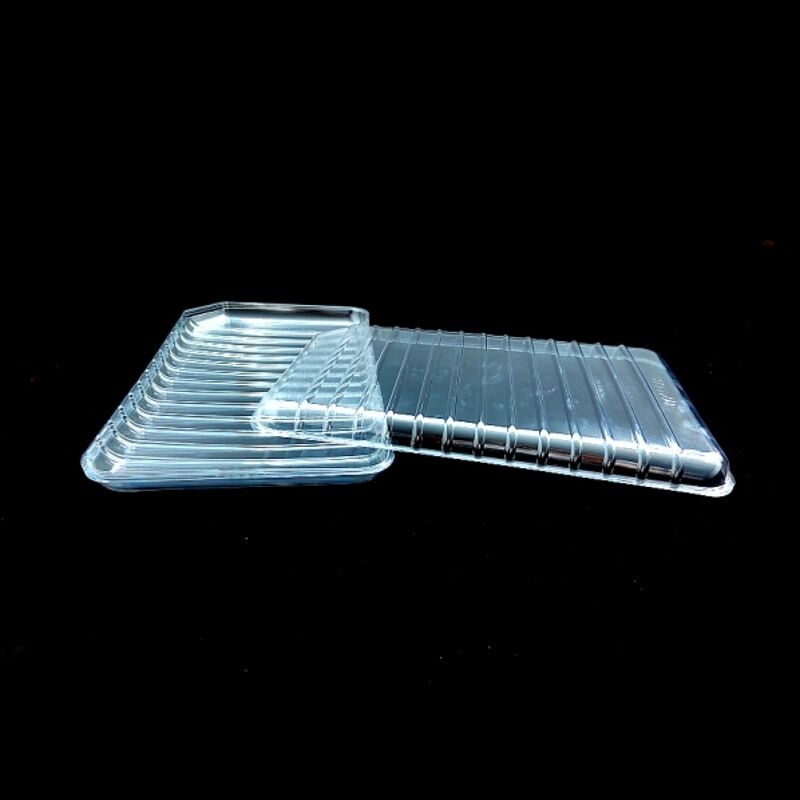
Retailers face a constant challenge in capturing consumer attention during the critical moments before purchase decisions are finalized. At the checkout counter, where distractions abound and decision fatigue sets in, packaging becomes a silent salesperson capable of transforming browsing customers into buyers. A plastic clamshell box serves as one of the most effective packaging solutions for triggering impulse purchases, leveraging visual clarity, product accessibility, and psychological triggers that encourage spontaneous buying behavior. Understanding how this packaging format influences consumer psychology and purchase patterns enables businesses to optimize their point-of-sale strategies and maximize revenue from unplanned purchases.
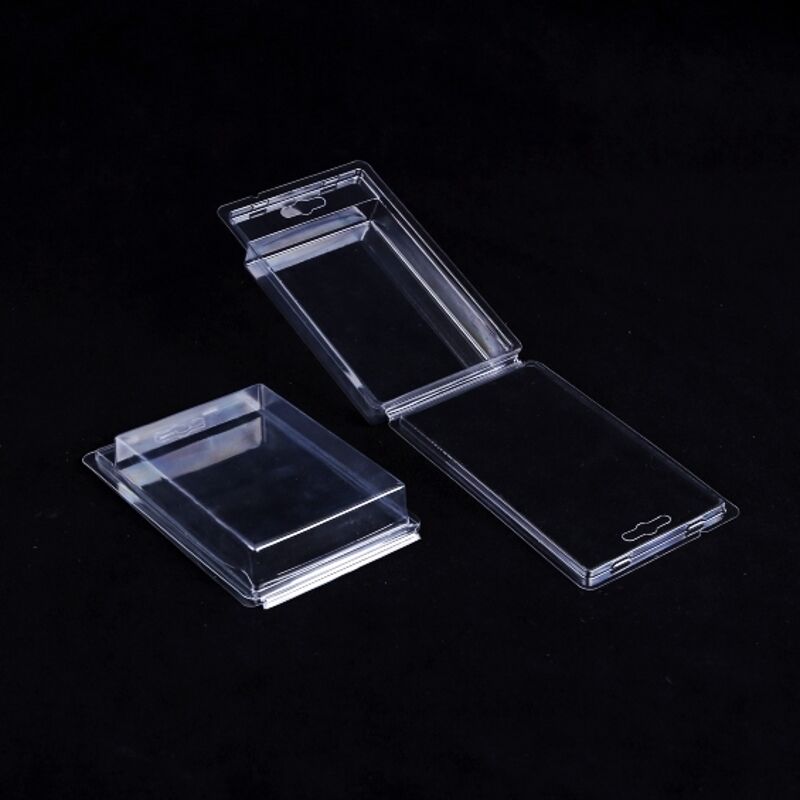
The mechanics of impulse purchasing rely heavily on reducing cognitive barriers between noticing a product and deciding to buy it. Traditional opaque packaging forces consumers to imagine what lies inside, creating friction in the decision process. The transparent nature of a plastic clamshell box eliminates this uncertainty by providing complete visual access to the product, allowing shoppers to evaluate quality, size, and appeal instantly. This immediate product revelation shortens the mental pathway from awareness to purchase, particularly effective in high-traffic checkout environments where consumers make quick decisions based on visual stimuli rather than prolonged consideration. The combination of product visibility, structural integrity, and shelf appeal makes the plastic clamshell box a strategic tool for driving unplanned sales in retail environments.
Visual Transparency as a Psychological Purchase Trigger
Complete Product Visibility Reduces Purchase Hesitation
The transparent construction of a plastic clamshell box creates an immediate connection between the consumer and the enclosed product. Unlike boxed or bagged alternatives that obscure contents, this packaging format allows shoppers to conduct a visual quality assessment without opening the package or requesting assistance. This transparency reduces the perceived risk associated with impulse purchases, as consumers can verify exactly what they are buying before committing to the transaction. At checkout displays, where time pressure and queue anxiety influence decision-making, the ability to make instant visual evaluations becomes particularly valuable in converting consideration into actual purchases.
Research in consumer behavior demonstrates that visual confirmation significantly increases purchase confidence, especially for products in the small electronics, cosmetics, hardware, and confectionery categories. The plastic clamshell box format works especially well for items where color, texture, size, or component visibility influences perceived value. When consumers can see precisely what they are purchasing, the psychological barrier between wanting and buying diminishes considerably. This visibility advantage becomes even more pronounced for impulse items positioned at checkout, where consumers have limited time to evaluate options and rely heavily on immediate visual impressions to guide purchasing decisions.
Perceived Product Quality Through Clear Presentation
The presentation quality afforded by a plastic clamshell box directly influences perceived product value and purchase justification. Clear packaging creates an impression of brand confidence and product quality, signaling to consumers that the manufacturer has nothing to hide. This transparent presentation elevates the perceived premium nature of even modestly priced items, making impulse purchases feel more justified and less frivolous. At the checkout counter, where consumers often engage in last-minute rationalization of unplanned purchases, the professional appearance of clamshell packaging provides the psychological permission needed to proceed with the transaction.
The structural clarity of the plastic clamshell box also communicates product protection and hygiene standards, factors increasingly important to modern consumers. The sealed nature of the packaging suggests untouched, contamination-free products, addressing subconscious concerns about product integrity. This combination of visibility and protection creates a premium perception that encourages impulse buying behavior, particularly for health, beauty, and personal care items positioned at checkout. The packaging format essentially serves as a quality guarantee visible to the consumer before purchase, reducing the mental barriers that typically inhibit spontaneous buying decisions in retail environments.
Strategic Product Positioning and Shelf Impact
Maximized Shelf Presence Through Structural Design
The three-dimensional structure of a plastic clamshell box creates substantial shelf presence compared to flat packaging alternatives. This dimensional depth catches light differently and creates visual variation in checkout displays, drawing consumer attention even in crowded point-of-sale environments. The standing or hanging capability of clamshell designs allows retailers to optimize vertical space and position products at eye level or within the natural sight lines of queuing customers. This strategic positioning increases the likelihood of product noticing, the essential first step in the impulse purchase sequence that transforms casual browsers into buyers.
Retailers benefit from the stackability and display flexibility that plastic clamshell box packaging provides. The rigid structure prevents crushing and maintains product presentation integrity even in high-traffic checkout areas where space constraints and frequent restocking occur. This durability ensures that products maintain their visual appeal throughout the sales cycle, consistently triggering impulse responses from successive waves of customers. The packaging format also facilitates quick visual inventory assessment, enabling staff to maintain fully stocked displays that maximize impulse purchase opportunities throughout operating hours. The combination of visual prominence and practical display advantages makes this packaging format particularly effective in checkout environments where space efficiency and visual impact determine sales performance.
Color and Graphics Amplification Through Clear Material
The transparent material of a plastic clamshell box serves as a lens that amplifies the visual impact of product colors, branding elements, and packaging graphics. Bright product colors appear more vibrant when displayed against clear plastic, creating stronger visual contrast that attracts attention in busy retail environments. This color amplification effect works particularly well at checkout displays, where competing visual stimuli vie for consumer attention. Products packaged in clamshell formats benefit from enhanced color saturation and visual clarity that make them stand out from surrounding merchandise, increasing the probability of impulse examination and purchase.
The clear packaging also allows strategic placement of branded inserts and product information cards that remain visible without obscuring the product itself. This dual-layer visual strategy communicates brand identity while maintaining product visibility, creating a comprehensive visual message that appeals to both aesthetic preferences and informational needs. For impulse purchases at checkout, where consumers rarely engage in detailed product research, the immediate visual communication enabled by the plastic clamshell box format delivers brand and product messages simultaneously. This efficient information delivery supports rapid decision-making processes typical of impulse buying behavior, where visual appeal and quick comprehension determine purchase outcomes more than detailed specification analysis.
Psychological Triggers Activated by Clamshell Packaging
Scarcity and Exclusivity Perception
The compact, contained presentation of products within a plastic clamshell box creates a psychological perception of individual item value and exclusivity. Each unit appears as a discrete, protected item rather than a bulk commodity, elevating perceived worth and making the purchase feel special rather than ordinary. This exclusivity perception activates scarcity-related psychological triggers that encourage immediate purchase decisions, as consumers subconsciously fear missing out on what appears to be a distinct, valued item. At checkout displays, where limited selection and visible inventory levels are apparent, this scarcity effect becomes particularly potent in driving impulse purchases.
The sealed nature of the plastic clamshell box reinforces the perception that each unit is fresh, untouched, and exclusively available for the current customer. This psychological ownership begins before the actual purchase, as consumers mentally claim the product once they pick it up and examine it through the clear packaging. This pre-purchase ownership effect significantly increases the likelihood of transaction completion, as returning the item to the display creates a sense of loss rather than neutral non-purchase. The packaging format essentially creates a psychological commitment mechanism that converts product consideration into completed impulse purchases at checkout, where decision cycles are compressed and emotional triggers outweigh rational evaluation processes.
Convenience and Gift-Ready Presentation
The plastic clamshell box format presents products in what consumers perceive as a gift-ready or convenience-optimized format. The protective packaging eliminates concerns about damage during transport and creates an immediate perception that the product is ready for use, gifting, or storage without additional preparation. This convenience factor reduces post-purchase effort expectations, lowering one of the psychological barriers to impulse buying. At checkout, where consumers often seek last-minute gift additions or justify purchases based on immediate utility, the ready-to-use presentation of clamshell packaging facilitates spontaneous buying decisions by eliminating anticipated hassles.
The professional presentation quality of the plastic clamshell box also serves as a rationalization tool for impulse purchases. Consumers justify unplanned expenditures by framing them as thoughtful gifts or practical necessities, and the premium appearance of clamshell packaging supports these mental justifications. The packaging communicates that the purchase represents good value and appropriate quality for its purpose, whether personal use or gift-giving. This psychological permission mechanism proves particularly effective at checkout displays, where consumers engage in rapid cost-benefit analyses and seek visual confirmation that their impulse purchase decisions are reasonable. The packaging format essentially provides the visual evidence needed to overcome purchase hesitation and complete the transaction.
Functional Advantages That Support Impulse Buying
Tamper-Evidence and Product Security
The secure closure system of a plastic clamshell box provides visible tamper-evidence that reassures consumers about product integrity and safety. This security feature addresses subconscious concerns about product contamination or prior opening, particularly important for health, beauty, and consumable items frequently positioned at checkout for impulse purchases. The clearly sealed packaging communicates that the product has been protected since manufacturing, creating trust that facilitates rapid purchase decisions without extensive quality verification. This trust factor becomes especially valuable in impulse buying scenarios where consumers lack time for detailed product examination and rely on packaging cues to assess safety and quality standards.
The plastic clamshell box format also protects small, valuable items from theft, a practical concern that influences retailer willingness to position products at accessible checkout locations. The difficult-to-open nature of clamshell packaging reduces shrinkage risks while maintaining product visibility, creating an optimal balance between theft prevention and impulse purchase facilitation. Retailers can confidently display higher-value items in checkout impulse zones when packaged in secure clamshell formats, expanding the range of products available for spontaneous purchase. This security advantage indirectly supports impulse buying by ensuring that attractive, higher-margin products remain accessible at point-of-sale locations where impulse purchase behavior peaks.
Information Communication Without Obscuring Products
The plastic clamshell box design allows strategic placement of product information, usage instructions, and marketing messages on backing cards or inserts without blocking product visibility. This information accessibility supports impulse purchases by providing just enough detail to overcome purchase hesitation without requiring consumers to pick up and extensively examine the item. At busy checkout counters, where social pressure and queue consciousness discourage prolonged product handling, the ability to quickly scan key product information through clear packaging facilitates faster purchase decisions. The packaging format essentially delivers product education that supports impulse buying rather than inhibiting it through information overload.
The clear material of the plastic clamshell box also allows retailers to refresh marketing messages and seasonal promotions by replacing backing cards without changing primary packaging. This flexibility enables dynamic point-of-sale messaging that keeps impulse displays relevant and attention-grabbing throughout different selling seasons and promotional periods. The ability to communicate time-sensitive offers or limited-edition status through visible inserts creates urgency that amplifies impulse buying behavior at checkout. The packaging format essentially becomes a flexible communication platform that delivers targeted messages precisely when consumers are most receptive to spontaneous purchase suggestions, maximizing conversion rates for checkout-positioned merchandise.
Retail Environment Optimization for Impulse Sales
Checkout Zone Product Selection Strategies
Effective impulse purchase programs using plastic clamshell box packaging require strategic product selection based on price points, consumer demographics, and purchase complementarity. Products priced between five and twenty dollars typically perform best in checkout impulse zones, offering sufficient value to feel substantial while remaining low enough to avoid triggering extensive purchase deliberation. The plastic clamshell box format particularly suits this price range by elevating perceived value through premium presentation while maintaining cost-effectiveness in packaging production. Categories that consistently generate impulse purchases when packaged in clamshell formats include phone accessories, small electronics, beauty samples, candy and snacks, batteries, and personal care items that complement primary shopping missions.
The transparent nature of the plastic clamshell box allows consumers to quickly identify products that complement their primary purchases, facilitating cross-selling opportunities at checkout. A customer purchasing batteries for a device can instantly recognize compatible accessories packaged in clear clamshell formats, triggering recognition of immediate need and spontaneous purchase decisions. This complementary product strategy works particularly well when clamshell packaging enables quick size, color, or compatibility verification without requiring package opening or staff assistance. The self-service nature of impulse buying at checkout relies heavily on packaging that communicates product suitability instantly, making the visual clarity of the plastic clamshell box format essential to conversion success in these retail environments.
Display Configuration and Customer Flow Integration
The physical arrangement of plastic clamshell box packaged products within checkout zones significantly influences impulse purchase rates. Optimal configurations position products within the natural sight lines of queuing customers, typically at waist-to-eye level and within comfortable arm's reach. The rigid structure of clamshell packaging supports various display orientations including hanging, standing, and stacked arrangements that maximize product visibility within confined checkout spaces. Retailers should rotate product positions regularly to maintain novelty and capture attention from repeat customers who develop visual blindness to static displays. The durability of the plastic clamshell box format facilitates frequent display reconfiguration without compromising package integrity or product presentation quality.
Effective impulse merchandising also considers customer dwell time and distraction levels at different checkout configurations. Self-checkout stations typically generate lower impulse purchase rates due to task focus and reduced dwell time, while traditional staffed checkout lanes with queue formations create optimal conditions for impulse buying. The plastic clamshell box format proves particularly effective in these queue environments where customers have time to visually scan available products but limited patience for complicated product evaluation. The instant product recognition and quality assessment enabled by clear packaging aligns perfectly with the abbreviated decision cycles typical of checkout impulse purchases, making proper display placement and product selection critical to maximizing the format's conversion potential.
FAQ
What product categories benefit most from plastic clamshell box packaging at checkout?
Small electronics, phone accessories, beauty and cosmetic items, batteries, candy and gum, personal care products, hardware items like keys and tools, and impulse gift items perform exceptionally well in plastic clamshell box packaging at checkout. These categories share common characteristics including moderate price points, immediate utility, visual appeal importance, and compatibility verification needs that the transparent packaging addresses effectively. The format works particularly well when product differentiation relies on visual attributes like color, size, or included components that consumers need to verify before purchase.
How does clamshell packaging compare to blister packs for impulse purchases?
Plastic clamshell box packaging generally provides superior product protection and more comprehensive visibility compared to traditional blister packs. The hinged clamshell design creates a three-dimensional product presentation that stands out more effectively in checkout displays, while the fully enclosed format offers better security for valuable items. Blister packs work well for very thin or flat products but lack the structural presence and premium perception that clamshell formats deliver. For impulse purchases at checkout, the enhanced visibility, security, and shelf presence of clamshell packaging typically generates higher conversion rates, particularly for products in the five to twenty dollar price range where packaging quality influences perceived value.
Can plastic clamshell packaging be sustainable while maintaining impulse purchase effectiveness?
Modern plastic clamshell box options increasingly incorporate recycled PET materials and design-for-recycling principles that address environmental concerns without sacrificing the visual clarity and structural advantages that drive impulse purchases. Retailers can maintain impulse buying effectiveness while improving sustainability by selecting clamshell packaging manufactured from post-consumer recycled content and ensuring clear recycling instructions are visible on packaging inserts. Some brands successfully combine sustainability messaging with product visibility by highlighting eco-friendly materials on backing cards visible through the clear clamshell, actually enhancing impulse appeal among environmentally conscious consumers. The key lies in maintaining transparency and structural integrity while transitioning to more sustainable material sources and end-of-life solutions.
What psychological factors make checkout locations ideal for clamshell-packaged impulse items?
Checkout locations create unique psychological conditions that amplify impulse purchase behavior, including decision fatigue from completed shopping, reward-seeking behavior after task completion, boredom during queue waiting, and reduced price sensitivity near transaction completion. The plastic clamshell box format capitalizes on these psychological states by providing instant visual gratification, clear product information without requiring cognitive effort, and perceived value justification through premium presentation. The combination of consumer psychological vulnerability at checkout and packaging that reduces purchase barriers creates optimal conditions for impulse buying, particularly when products address immediate needs, complement primary purchases, or offer small indulgences that consumers rationalize as deserved rewards after completing shopping tasks.
Table of Contents
- Visual Transparency as a Psychological Purchase Trigger
- Strategic Product Positioning and Shelf Impact
- Psychological Triggers Activated by Clamshell Packaging
- Functional Advantages That Support Impulse Buying
- Retail Environment Optimization for Impulse Sales
-
FAQ
- What product categories benefit most from plastic clamshell box packaging at checkout?
- How does clamshell packaging compare to blister packs for impulse purchases?
- Can plastic clamshell packaging be sustainable while maintaining impulse purchase effectiveness?
- What psychological factors make checkout locations ideal for clamshell-packaged impulse items?