
 EN
EN
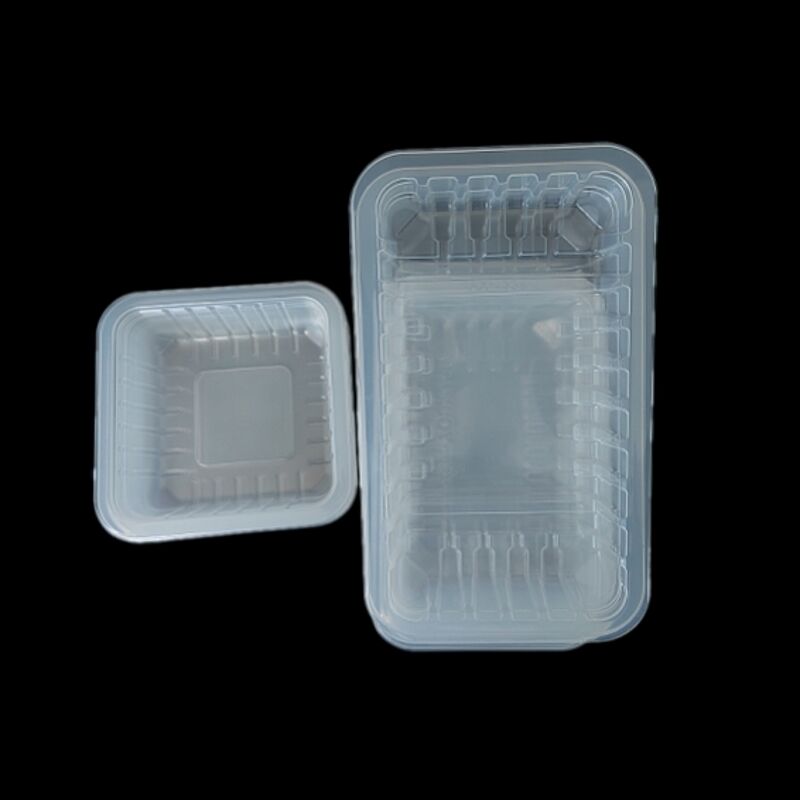
Fresh protein products face a constant challenge in retail and food service environments: maintaining quality, safety, and visual appeal from processing through final sale. The packaging selected for meat, poultry, and seafood directly influences how long these perishable items remain safe for consumption and attractive to buyers. Among the various packaging solutions available, the plastic meat tray has emerged as a critical component in extending shelf life by providing structural support, contamination barriers, and compatibility with modified atmosphere packaging systems that slow microbial growth and oxidation.
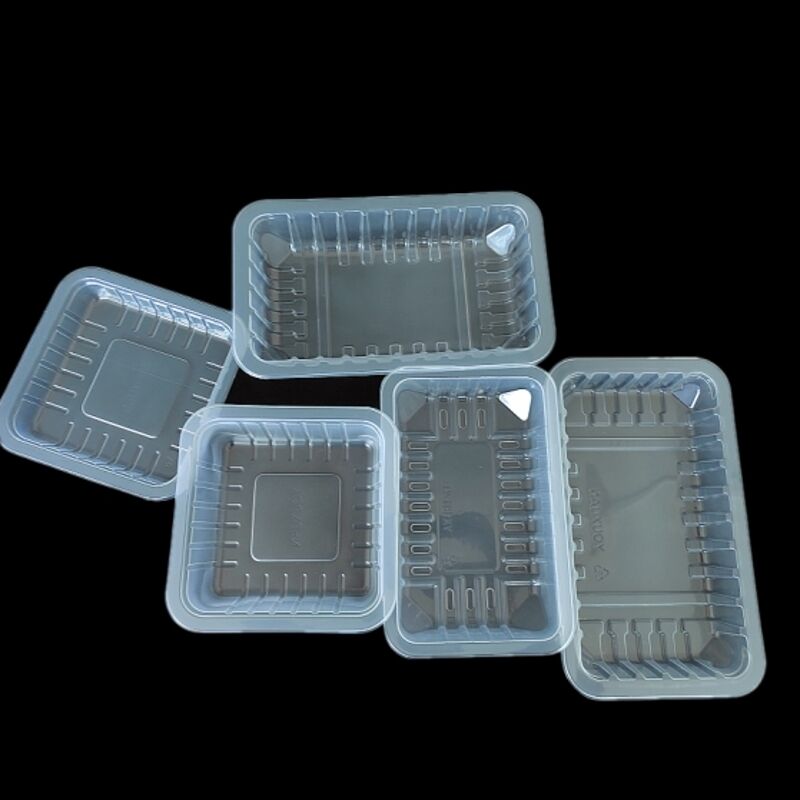
Understanding how durable plastic meat trays contribute to shelf life extension requires examining the interaction between packaging material properties, protein biochemistry, and storage conditions. Unlike simple wrapping materials, a properly engineered plastic meat tray creates a controlled microenvironment that addresses the primary mechanisms of protein deterioration including moisture loss, microbial proliferation, lipid oxidation, and physical damage during handling. The durability factor becomes especially important when trays must withstand temperature fluctuations, stacking pressure, and repeated handling throughout the cold chain without compromising their protective functions.
Material Properties That Control Moisture and Gas Exchange
Barrier Performance Against Oxygen Infiltration
Oxygen exposure represents one of the most significant threats to fresh protein shelf life, triggering oxidative reactions that degrade color, flavor, and nutritional value. A durable plastic meat tray manufactured from materials with appropriate oxygen barrier characteristics helps minimize this exposure when combined with modified atmosphere packaging films. The tray substrate must resist oxygen transmission while maintaining structural integrity under refrigerated conditions where condensation and temperature variations create challenging environments for packaging materials.
High-quality plastic meat tray designs incorporate polymer formulations that balance barrier performance with mechanical strength. Materials such as polyethylene terephthalate and polystyrene blends provide sufficient rigidity to prevent deformation while offering moderate barrier properties that complement the primary oxygen barrier provided by overwrap films. The tray's ability to maintain its shape under load prevents compression of the protein product, which could otherwise create channels for gas infiltration around the seal perimeter.
Moisture Regulation and Drip Management
Fresh proteins naturally release moisture through a process called purge, which consists of water, soluble proteins, and other cellular components. Excessive purge accumulation not only creates an unappealing presentation but also provides an ideal medium for bacterial growth that accelerates spoilage. A well-designed plastic meat tray incorporates features such as raised ribs, channels, or absorbent pads that separate the protein from accumulated liquid, reducing microbial activity and maintaining product appearance throughout the display period.
The moisture management capability of a plastic meat tray directly impacts shelf life by controlling the microenvironment humidity at the product surface. When purge remains in contact with the protein, it creates localized areas of high water activity that support rapid bacterial multiplication. Durable tray designs with effective drainage patterns keep this moisture away from the product surface, slowing microbial growth rates and extending the period during which the protein remains within safe microbiological limits.
Structural Integrity Throughout the Cold Chain
Resistance to Temperature-Induced Deformation
Temperature fluctuations during transportation and storage can cause inferior packaging materials to warp, crack, or lose their shape, compromising the protective seal and allowing contaminants or unwanted gases to reach the protein product. A durable plastic meat tray maintains dimensional stability across the temperature range encountered in meat handling, typically from processing environments around 4°C through potential brief exposures to near-freezing conditions during transportation.
Material durability becomes particularly critical when plastic meat trays pass through automated packaging lines, cold storage facilities, and retail display cases. Trays that deform under cold temperatures may no longer fit properly with their overwrap films, creating seal failures that allow oxygen infiltration and accelerate oxidation. The mechanical properties of the tray material must remain consistent throughout the expected shelf life period to ensure continuous protection of the protein product inside.
Impact Resistance During Handling and Distribution
Fresh proteins packaged in plastic meat trays undergo numerous handling events from initial packing through retail display, including stacking during storage, transportation vibration, and restocking activities. Each handling event represents a potential failure point where insufficient tray durability could result in package compromise. Cracks, punctures, or structural failures in the tray immediately negate any shelf life benefits by exposing the protein to contamination and atmospheric oxygen.
High-quality plastic meat tray designs undergo rigorous testing to ensure they can withstand the mechanical stresses encountered throughout distribution. This includes drop testing, compression testing under stacking loads, and puncture resistance evaluation. The investment in durable tray materials pays dividends in reduced product losses from packaging failures and maintained shelf life integrity from processing through final sale.
Compatibility With Advanced Preservation Technologies
Modified Atmosphere Packaging Integration
Modified atmosphere packaging systems replace the normal air inside a package with a carefully balanced gas mixture that inhibits microbial growth and slows oxidation. The effectiveness of these systems depends critically on the ability of the plastic meat tray and overwrap film combination to maintain gas composition throughout the shelf life period. A durable tray that resists deformation ensures consistent seal integrity between the tray flange and the heat-sealed film, preventing atmospheric contamination of the modified atmosphere.
Different protein types benefit from specific gas compositions, with red meats typically packaged in high-oxygen atmospheres to maintain bright red color, while poultry and seafood often use carbon dioxide-enriched or nitrogen atmospheres. The plastic meat tray must accommodate the pressure differences that can occur with these various gas mixtures without warping or failing. Trays designed for modified atmosphere applications feature reinforced flanges and consistent surface flatness to ensure reliable sealing across thousands of packages per production shift.
Vacuum Skin Packaging Support
Vacuum skin packaging represents an alternative preservation approach where a heated film conforms tightly to the protein product and seals directly to the plastic meat tray surface, eliminating virtually all oxygen from the package. This method achieves exceptional shelf life extension but places significant demands on tray durability. The tray must withstand the heat-sealing process without distortion while providing a perfectly flat sealing surface that creates an airtight bond with the film.
Durability considerations for vacuum skin packaging applications include resistance to heat deformation during sealing, surface smoothness for reliable sealing, and sufficient structural strength to prevent tray collapse under the vacuum pressure created when the film shrinks against the product. A plastic meat tray engineered for vacuum skin packaging typically incorporates enhanced material formulations and may include reinforcement features that maintain package integrity even under the mechanical stress of vacuum conditions.
Microbial Control Through Physical Barriers
Contamination Prevention During Display
Retail display cases expose packaged proteins to potential contamination from handling, airborne particles, and cross-contamination from adjacent products. A durable plastic meat tray serves as the primary physical barrier protecting the protein product from these external contamination sources. The tray walls and base create a sanitary enclosure that minimizes direct contact with display case surfaces, shopping carts, and customer handling before purchase.
The seamless construction typical of thermoformed plastic meat trays eliminates crevices where bacteria could harbor and multiply. Smooth interior surfaces allow any residual bacteria from the packing environment to remain isolated from the protein surface when the tray includes proper drainage features. This physical separation, combined with refrigerated storage temperatures, significantly extends the time required for bacterial populations to reach spoilage or safety thresholds.
Surface Properties That Resist Biofilm Formation
Bacterial biofilms can form on packaging surfaces when moisture and nutrients are present, potentially serving as ongoing contamination sources that compromise shelf life. Durable plastic meat tray materials incorporate surface properties that resist biofilm adhesion and formation. The non-porous nature of food-grade plastics prevents bacterial penetration into the material itself, keeping any contamination on the surface where it remains separated from the protein product by the tray's physical structure.
Advanced plastic meat tray formulations may include antimicrobial additives that further inhibit bacterial growth on the tray surface itself. While the primary shelf life extension mechanism remains the physical barrier and environmental control provided by the tray structure, these additional surface treatments offer supplementary protection that can be valuable for extended shelf life applications or for particularly sensitive protein types prone to rapid spoilage.
Economic and Practical Considerations for Shelf Life Extension
Cost-Benefit Analysis of Durable Versus Economy Trays
The decision to invest in durable plastic meat tray designs rather than minimal-cost alternatives must be evaluated against the economic impact of extended shelf life. Each additional day of shelf life represents reduced shrink from spoilage, expanded distribution radius, improved inventory management flexibility, and enhanced consumer satisfaction. For high-value proteins such as premium beef cuts or specialty seafood, the incremental cost of a more durable plastic meat tray represents a small fraction of the product value while potentially preventing total product loss from premature spoilage.
Retailers and processors should calculate the total cost of packaging failures including direct product loss, labor costs for restocking and disposal, and potential liability issues from selling compromised products. Durable plastic meat trays that consistently protect product integrity throughout the intended shelf life deliver measurable return on investment through reduced waste and improved operational efficiency. The extended shelf life enabled by superior tray performance also allows for more efficient logistics planning and reduced frequency of product rotation.
Sustainability Aspects of Extended Shelf Life
Extended shelf life achieved through durable plastic meat tray designs contributes to sustainability objectives by reducing food waste, one of the most significant environmental impacts in the food system. When proteins remain saleable for longer periods, the resources invested in animal production, processing, and distribution are utilized more efficiently. A plastic meat tray that prevents premature spoilage of even a small percentage of products delivers environmental benefits that may outweigh the material impact of the packaging itself.
Modern plastic meat tray manufacturing increasingly incorporates recycled content and designs for recyclability, addressing end-of-life environmental considerations while maintaining the durability and performance characteristics essential for shelf life extension. The balance between packaging performance and environmental impact continues to evolve, with durable tray designs representing an optimization between minimal material use and maximum product protection that reduces overall food system waste.
FAQ
What is the typical shelf life extension achieved with a quality plastic meat tray?
The shelf life extension provided by a quality plastic meat tray varies depending on the protein type, storage conditions, and whether modified atmosphere or vacuum packaging is used. For fresh red meat under refrigerated retail display conditions, a properly designed plastic meat tray combined with modified atmosphere packaging can extend shelf life from approximately 3-5 days in traditional overwrap to 7-14 days or more. Poultry and seafood typically see proportionally similar extensions, though their absolute shelf life remains shorter due to their inherent microbiological characteristics. The key factors determining actual shelf life include initial product quality, consistent temperature control throughout the cold chain, and maintaining package integrity without seal failures or tray damage.
Can plastic meat trays be effectively sanitized for reuse in fresh protein packaging?
Plastic meat trays designed for fresh protein applications are typically intended for single-use rather than reuse due to food safety considerations. The microscopic surface texture of plastic materials can harbor bacteria even after cleaning, and the potential for cross-contamination between batches creates unacceptable food safety risks. Additionally, the handling and storage conditions that plastic meat trays experience during their first use often result in microscopic scratches, deformation, or material degradation that compromises their performance for protecting fresh proteins. While some rigid plastic containers in other food applications support reuse after industrial sanitization, the critical safety requirements for fresh protein packaging favor single-use plastic meat trays that ensure each product receives virgin packaging with optimal protective properties.
How do I determine if a plastic meat tray design is suitable for my specific protein products?
Selecting an appropriate plastic meat tray requires evaluating several factors specific to your products and operations. Consider the physical characteristics of your proteins including weight, dimensions, and tendency to release purge, as these determine the necessary tray depth, drainage features, and structural strength. Assess your packaging system including whether you use modified atmosphere, vacuum skin, or traditional overwrap methods, as each places different performance demands on the tray material and design. Evaluate your distribution chain including typical temperature ranges, handling intensity, and time from packaging to sale, which determine the required durability level. Finally, conduct trial runs with candidate tray designs under actual operating conditions, monitoring shelf life performance, package integrity throughout distribution, and consumer acceptance at the point of sale. Many plastic meat tray suppliers offer sample evaluation programs and can provide technical guidance for matching tray specifications to application requirements.
What are the most common causes of shelf life reduction despite using quality plastic meat trays?
Even when using high-quality plastic meat trays, several factors can compromise their shelf life extension benefits. Temperature abuse remains the most frequent cause, as protein products exposed to temperatures above 4°C for extended periods experience accelerated bacterial growth regardless of packaging quality. Seal failures between the tray flange and overwrap film allow oxygen infiltration and contamination, often resulting from improper sealing parameters, contaminated sealing surfaces, or mechanical damage during handling. Initial product quality issues including high bacterial loads at the time of packaging or proteins from stressed animals that are prone to rapid deterioration will limit achievable shelf life regardless of packaging performance. Finally, physical damage to plastic meat trays during distribution including cracks, punctures, or deformation can create pathways for contamination and atmosphere compromise that negate the protective benefits of the packaging system. Maintaining shelf life requires coordinated attention to product quality, packaging integrity, and cold chain management throughout the distribution cycle.
Table of Contents
- Material Properties That Control Moisture and Gas Exchange
- Structural Integrity Throughout the Cold Chain
- Compatibility With Advanced Preservation Technologies
- Microbial Control Through Physical Barriers
- Economic and Practical Considerations for Shelf Life Extension
-
FAQ
- What is the typical shelf life extension achieved with a quality plastic meat tray?
- Can plastic meat trays be effectively sanitized for reuse in fresh protein packaging?
- How do I determine if a plastic meat tray design is suitable for my specific protein products?
- What are the most common causes of shelf life reduction despite using quality plastic meat trays?