
 EN
EN
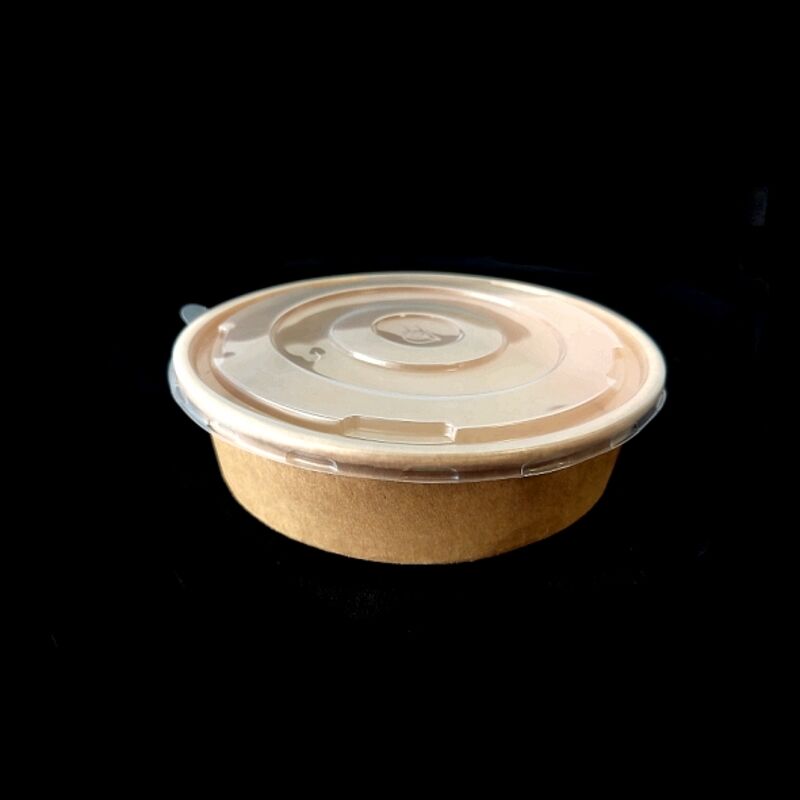
Industrial food processing operations face constant pressure to optimize packaging efficiency, maintain product integrity, and meet stringent hygiene standards while controlling costs. Among the various packaging solutions available, the rolled edge meat tray has emerged as the dominant choice in commercial meat processing facilities worldwide. This specialized design addresses critical operational challenges that plague high-volume production environments, from automated handling compatibility to contamination prevention and structural durability under refrigerated conditions.
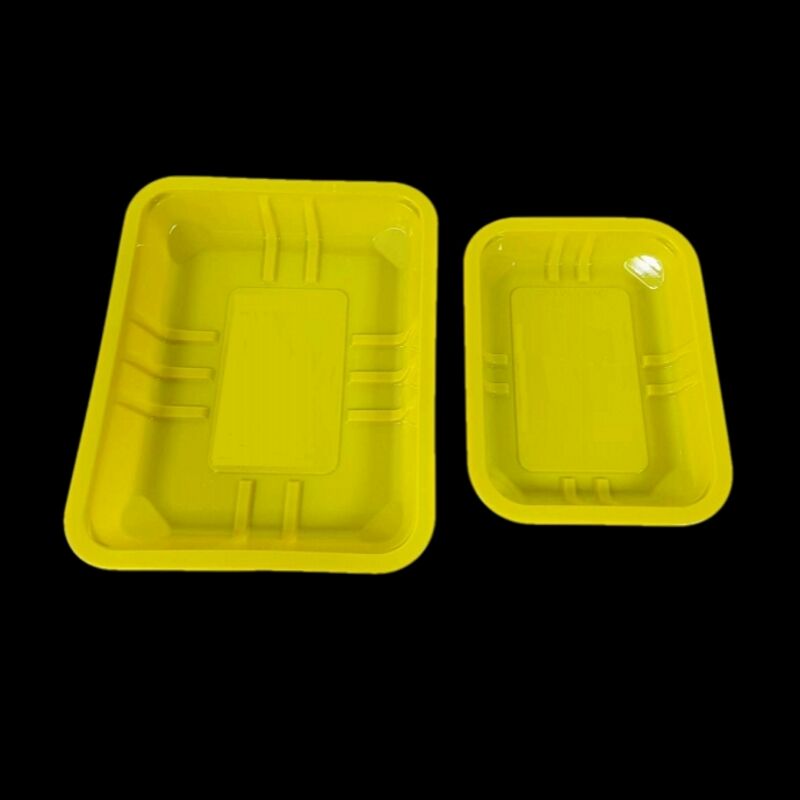
The preference for rolled edge construction among industrial processors stems from tangible operational advantages that directly impact production throughput, worker safety, product quality retention, and total cost of ownership. Unlike sharp-edged alternatives or standard flat-rim designs, the rolled edge meat tray delivers measurable benefits across the entire supply chain from processing floor to retail display. Understanding these advantages reveals why this design has become the industry standard for professional meat packaging applications.
Enhanced Structural Integrity for High-Volume Operations
Superior Edge Strength Under Mechanical Stress
The rolled edge construction fundamentally transforms the mechanical properties of thermoformed plastic trays by creating a continuous reinforced perimeter. During the rolling process, the rim material is folded back onto itself, effectively doubling the edge thickness and creating a structural element that resists deformation under load. Industrial food processors handle thousands of trays daily through automated conveyor systems, robotic picking operations, and manual stacking procedures that subject packaging to repetitive mechanical stress.
Testing demonstrates that rolled edge meat tray designs withstand compression forces approximately 40-60% greater than equivalent flat-rim trays before experiencing edge failure or permanent deformation. This enhanced durability proves critical when trays are stacked multiple layers high during refrigerated storage or transportation. The rolled perimeter distributes weight more evenly across the rim structure, preventing the edge collapse that commonly occurs with inferior designs when supporting heavy product loads above.
Reduced Tray Failure Rates in Automated Systems
Modern meat processing facilities rely heavily on automated packaging lines, wrapping equipment, and robotic handling systems that grip, position, and move trays at high speeds. The rolled edge meat tray configuration provides consistent dimensional stability that flat-edge alternatives cannot match. The reinforced rim maintains its shape through repeated mechanical handling cycles, ensuring reliable registration with automated equipment sensors and gripper mechanisms.
Production managers report that facilities using rolled edge designs experience significantly lower tray rejection rates in automated systems compared to standard alternatives. The robust edge construction prevents the warping and dimensional changes that cause misfeeds, jam conditions, and packaging line stoppages. This reliability translates directly into higher effective line speeds and reduced downtime for clearing jammed equipment, contributing measurably to overall equipment effectiveness metrics.
Maintenance of Dimensional Accuracy Through Temperature Cycles
Meat processing environments subject packaging to dramatic temperature variations, from ambient processing areas to rapid chilling zones and prolonged cold storage at temperatures approaching freezing. The rolled edge meat tray demonstrates superior dimensional stability through these thermal cycles compared to flat-rim designs. The doubled-edge construction resists the thermal contraction and expansion forces that cause standard trays to warp or develop edge distortions.
This thermal stability ensures that trays maintain their intended geometry throughout the cold chain, preventing gaps that could compromise modified atmosphere packaging seals or allow moisture infiltration. Industrial processors value this consistency because it eliminates the quality defects and product losses associated with packaging failure during refrigerated storage and distribution.
Critical Safety Advantages in Production Environments
Elimination of Sharp Edge Hazards for Workers
Workplace safety represents a paramount concern in industrial food processing facilities where workers handle thousands of trays during each shift. Standard thermoformed trays with cut edges present genuine laceration risks, particularly when workers are moving quickly in cold, wet environments while wearing protective gloves that may reduce tactile sensitivity. The rolled edge meat tray design completely eliminates the sharp perimeter that characterizes cut-edge alternatives.
By folding the rim back onto itself during manufacturing, the rolling process encapsulates any potentially sharp edges within the rounded profile. Safety managers in processing facilities consistently report reduced hand and finger injuries after transitioning from flat-cut trays to rolled edge designs. This improvement in worker safety reduces workers' compensation claims, decreases lost-time incidents, and contributes to better overall safety performance metrics that affect insurance premiums and regulatory compliance ratings.
Reduced Glove Puncture and Contamination Risk
Food safety protocols require processing workers to wear protective gloves during all product handling operations. Sharp tray edges represent a significant vector for glove punctures that compromise both worker protection and food safety barriers. When a glove is damaged by a sharp edge, workers may not immediately notice the breach, potentially allowing hand contact with product or introducing foreign materials into the processing stream.
The smooth, rounded profile of the rolled edge meat tray substantially reduces glove damage incidents. Quality assurance managers report that facilities using rolled edge designs experience fewer glove-related contamination events and reduced costs for replacement protective equipment. This safety advantage directly supports food safety management systems and helps facilities maintain compliance with HACCP protocols and third-party food safety certifications.
Lower Risk During Film Overwrapping Operations
Most industrial meat trays undergo overwrapping with stretch film or modified atmosphere packaging after product placement. Sharp tray edges can puncture or tear the protective film during the wrapping process or subsequent handling, compromising package integrity and product shelf life. The rolled edge meat tray configuration presents a smooth, rounded surface that guides packaging film into position without snagging or tearing.
This compatibility with overwrap materials reduces film waste from damaged packages and decreases the frequency of rewrap operations that slow production throughput. Processing facilities report that transitioning to rolled edge designs typically reduces packaging film consumption by eliminating the excess material previously required to compensate for edge-related tearing issues.
Operational Efficiency Gains in Processing Workflows
Improved Stacking Stability and Storage Density
Cold storage capacity represents expensive real estate in meat processing facilities, making efficient space utilization a constant priority. The rolled edge meat tray enables more stable stacking configurations compared to flat-edge alternatives. The reinforced rim creates a consistent bearing surface that prevents the edge deformation and nesting problems that cause stack instability with weaker designs.
When trays maintain their dimensional integrity under stacking loads, facilities can safely achieve greater stack heights without risking collapse or product damage. This vertical storage efficiency directly increases effective cold storage capacity without requiring additional refrigerated space. Logistics managers calculate that the improved stacking characteristics of rolled edge designs can increase storage density by 15-25% compared to less robust alternatives, delivering significant operational cost savings.
Compatibility with Automated Denesting Systems
High-speed processing lines require automated tray dispensing systems that separate individual trays from nested stacks and position them precisely for product placement. The rolled edge meat tray design facilitates reliable denesting performance because the reinforced rim provides consistent dimensional reference points for mechanical separation mechanisms.
The structural rigidity of the rolled edge prevents the partial nesting and wedging problems that cause feed failures in automated systems. Production engineers specify rolled edge designs specifically because they deliver the feeding reliability required to maintain target line speeds in automated packaging operations. Facilities report that denesting systems achieve 98-99% successful separation rates with rolled edge trays compared to significantly higher failure rates with less robust alternatives.
Reduced Handling Time and Labor Requirements
The superior structural properties of the rolled edge meat tray reduce the care and attention required during manual handling operations. Workers can move trays more quickly and confidently without concerns about edge deformation or sharp edges requiring careful grip positioning. This seemingly minor advantage accumulates across thousands of handling cycles to deliver measurable labor efficiency improvements.
Time-motion studies in processing facilities demonstrate that workers handle rolled edge trays approximately 12-18% faster than equivalent flat-edge designs when both speed and safety are considered. This efficiency gain translates directly into reduced labor costs per unit packaged and enables facilities to achieve production targets with smaller crews or shorter shifts.
Product Quality Protection Throughout Distribution
Enhanced Seal Integrity for Modified Atmosphere Packaging
Many fresh meat products are packaged under modified atmosphere to extend shelf life and maintain color characteristics during retail display. The effectiveness of MAP depends entirely on maintaining an airtight seal between the tray rim and the top film barrier. The rolled edge meat tray provides a superior sealing surface compared to flat-cut alternatives because the smooth, rounded rim eliminates microscopic irregularities that can compromise seal integrity.
The consistent rim geometry achieved through the rolling process ensures uniform contact pressure during heat sealing operations, resulting in complete hermetic seals with minimal defect rates. Quality control testing shows that MAP packages using rolled edge trays demonstrate significantly lower gas transmission rates and longer effective shelf life compared to packages sealed to flat-edge trays with equivalent barrier films.
Prevention of Film Puncture During Distribution
Packaged meat products experience considerable mechanical stress during palletizing, transportation, and retail handling. Sharp or irregular tray edges can puncture overwrap films from the inside when packages shift or compress against each other during these distribution activities. The rolled edge meat tray eliminates this internal puncture risk by presenting only smooth, rounded surfaces that cannot penetrate packaging films regardless of external pressure or package movement.
Distribution managers report that rolled edge designs substantially reduce the package damage and product loss claims associated with film puncture during shipping and handling. This damage prevention translates directly into reduced shrink, fewer customer complaints, and better retail presentation that supports premium pricing and consumer purchase decisions.
Maintaining Product Presentation Standards
The structural integrity of the rolled edge meat tray ensures that packages maintain their intended appearance throughout distribution and retail display. Trays that warp or deform create unsightly packages that undermine consumer confidence and reduce purchase intent. The reinforced rim construction prevents the edge sagging and tray distortion that compromise product presentation with inferior designs.
Retail meat managers consistently preference rolled edge trays because they maintain professional appearance standards even after multiple days in refrigerated display cases. The dimensional stability of these trays ensures that product positioning remains consistent, overwrap films stay taut, and labeling remains clearly visible, all factors that influence consumer perception and purchase behavior at the point of sale.
Economic Advantages and Total Cost of Ownership
Reduced Product Loss from Packaging Failure
While rolled edge meat tray designs typically carry a slightly higher unit cost compared to basic flat-edge alternatives, the total cost analysis strongly favors the rolled edge configuration. The superior performance characteristics translate directly into reduced product loss from packaging failures, fewer quality hold situations, and decreased customer claims for damaged products.
Financial analysis across multiple processing facilities demonstrates that the incremental cost of rolled edge trays is recovered many times over through reduced product shrink and quality defects. When considering the value of the meat products contained within each package, the cost of packaging failure far exceeds any savings from purchasing cheaper trays. This economic reality drives purchasing decisions toward rolled edge designs despite modestly higher unit costs.
Lower Labor Costs Through Improved Efficiency
The handling efficiency advantages and safety improvements associated with rolled edge meat tray designs deliver quantifiable labor cost reductions. Faster handling times, reduced injury incidents, fewer rewrap operations, and decreased packaging line interventions all contribute to lower labor requirements per unit of production.
Operations managers calculate that facilities processing high volumes of meat products can realize labor savings of 8-15% by transitioning to rolled edge designs. These savings result from the cumulative effect of numerous small efficiency gains across multiple process steps, demonstrating how superior packaging design contributes to overall operational effectiveness.
Extended Equipment Life Through Reduced Wear
The dimensional consistency and structural integrity of rolled edge meat tray designs reduce wear on automated packaging equipment. Machines experience less stress when handling trays that maintain their intended geometry, feed reliably, and resist deformation. This reduced mechanical stress translates into longer intervals between maintenance requirements, fewer component replacements, and extended equipment service life.
Maintenance managers report that conveyor systems, denesting equipment, and wrapping machines demonstrate measurably lower wear rates when dedicated to rolled edge tray processing compared to facilities using less robust packaging alternatives. These reduced maintenance requirements deliver ongoing cost savings and contribute to higher equipment availability for production operations.
FAQ
What makes rolled edge meat trays more expensive than flat-edge alternatives?
The rolled edge manufacturing process requires additional forming steps beyond basic thermoforming and trimming operations. Specialized tooling heats and mechanically folds the tray rim back onto itself to create the reinforced edge structure, adding production time and equipment costs. However, the incremental cost typically represents only 5-12% of the total tray price, while delivering performance advantages that far exceed this modest premium through reduced product loss, improved efficiency, and enhanced safety outcomes.
Can rolled edge meat trays be used with all types of overwrap films?
Rolled edge meat tray designs demonstrate excellent compatibility with virtually all commercial meat packaging films, including PVC stretch films, polyethylene overwrap materials, and barrier films for modified atmosphere packaging. The smooth, rounded rim profile actually improves film sealing performance compared to sharp-edged alternatives by eliminating stress concentration points that can cause seal failures or film tearing. Most processing facilities find that transitioning to rolled edge trays either maintains current film performance or enables downgauging to thinner, more economical films while achieving equivalent package integrity.
How do rolled edge trays perform in automated high-speed packaging lines?
The structural rigidity and dimensional consistency of rolled edge meat tray designs make them specifically well-suited for automated packaging applications. The reinforced rim maintains precise geometry through repeated handling cycles, ensuring reliable registration with denesting equipment, robotic grippers, product placement systems, and overwrap machinery. Processing facilities operating automated lines at speeds exceeding 60-80 packages per minute consistently specify rolled edge designs because they deliver the feeding reliability and handling consistency required to maintain these production rates without frequent line stoppages for clearing jammed or misaligned trays.
Are there environmental considerations with rolled edge meat tray designs?
Rolled edge meat trays are manufactured from the same recyclable thermoplastic materials as standard flat-edge alternatives, typically polystyrene, PET, or polypropylene depending on application requirements. The rolling process does not introduce additional materials or compromise recyclability. In fact, the superior durability and reduced failure rates of rolled edge designs may offer environmental advantages by decreasing the total number of trays required to package a given quantity of product, reducing overall plastic consumption. Many rolled edge trays also incorporate post-consumer recycled content without performance compromise, supporting sustainability initiatives in food processing operations.