
 EN
EN
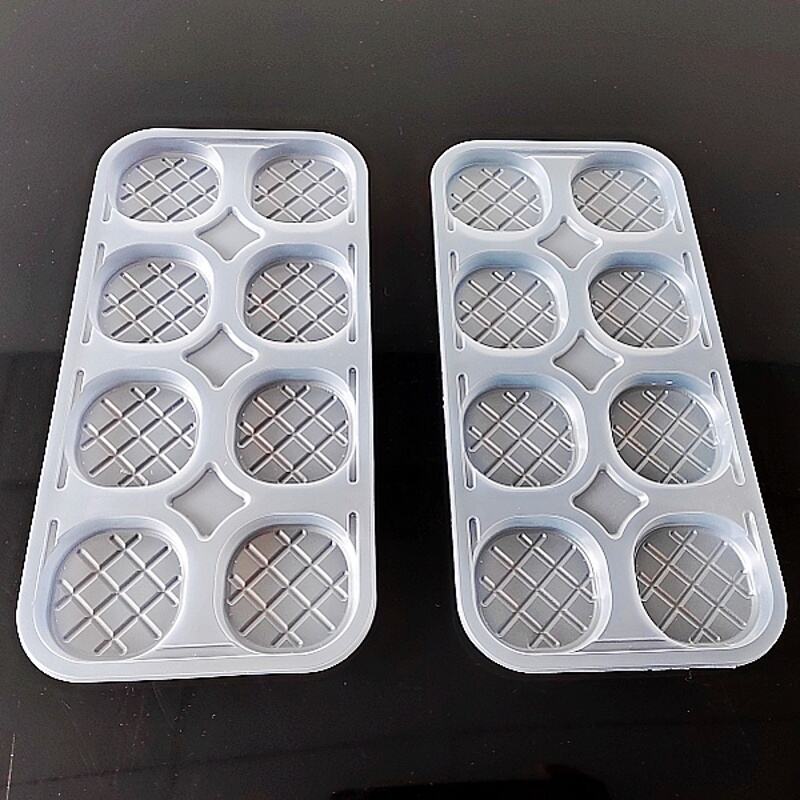
High-speed sealing operations in modern packaging lines demand precise coordination between container components and automated machinery. The integration of a plastic cover with high-speed sealing equipment represents a critical engineering challenge where material properties, geometric tolerances, and motion dynamics must align perfectly to achieve consistent hermetic seals at production rates exceeding 200 units per minute. Understanding this integration process is essential for packaging engineers, production managers, and equipment specifiers who need to optimize line efficiency while maintaining seal integrity across diverse product applications ranging from dairy to pharmaceuticals.
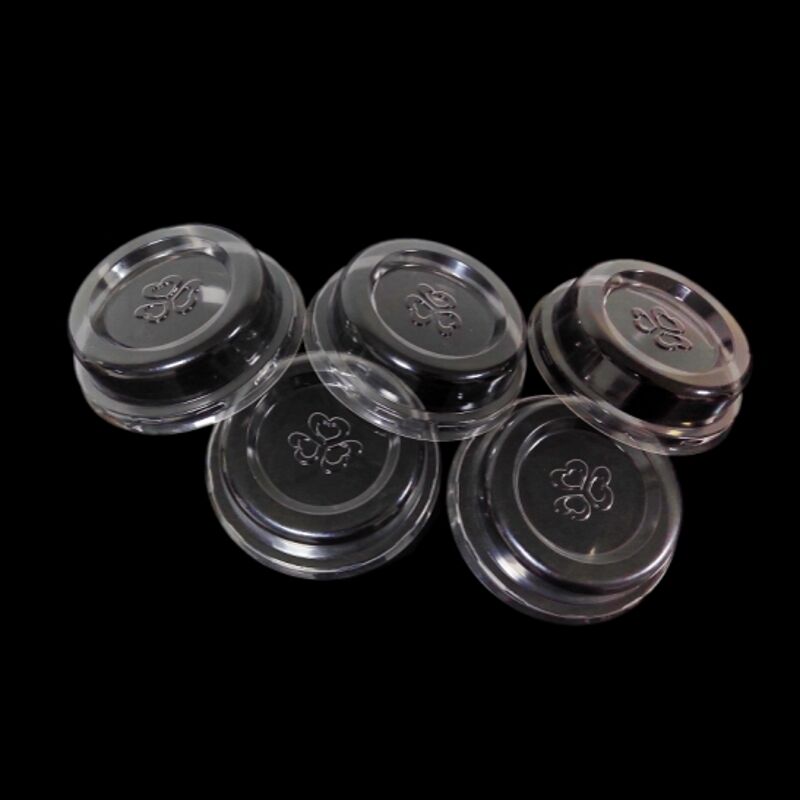
The mechanical interface between a plastic cover and sealing machinery involves multiple synchronized subsystems including feeding mechanisms, positioning stages, sealing heads, and ejection systems. Each subsystem must accommodate the specific dimensional characteristics and material behavior of the plastic cover while maintaining throughput speeds that justify capital equipment investment. This integration extends beyond simple mechanical fit to encompass thermal management, force distribution, quality verification, and rejection protocols that collectively determine overall equipment effectiveness and product quality consistency.
Mechanical Interface Design Between Plastic Cover and Sealing Station
Dimensional Tolerance Stack-Up and Positioning Accuracy
The foundation of successful plastic cover integration begins with precise dimensional coordination between cover geometry and sealing equipment tooling. High-speed sealing machines typically operate with positioning tolerances of ±0.1 millimeters to ensure consistent seal placement around the container rim. The plastic cover must be manufactured with corresponding dimensional control that accounts for thermal expansion during the sealing process and material shrinkage following molding. Injection-molded covers generally exhibit tighter tolerances than thermoformed alternatives, with typical diameter variations of ±0.15 millimeters compared to ±0.30 millimeters for thermoformed products.
Sealing equipment incorporates adjustable nests or chucks that accommodate slight variations in plastic cover dimensions without compromising seal quality. These positioning fixtures employ spring-loaded centering fingers or vacuum retention systems that automatically compensate for incoming part variation while maintaining repeatable location relative to the sealing head. The mechanical design must prevent cover deformation during clamping, as distortion can create uneven sealing pressure distribution that leads to incomplete hermetic seals or material damage. Engineers specify nest designs with contact areas that distribute clamping forces across structurally reinforced regions of the plastic cover rather than concentrating loads on thin-walled sections.
Feed System Compatibility and Orientation Control
High-speed sealing lines utilize various feeding mechanisms to deliver plastic cover components to the sealing station, including vibratory bowl feeders, magazine stackers, and denesting systems. The plastic cover geometry directly influences feed system selection and performance. Covers with distinct top and bottom profiles enable simpler orientation detection using mechanical gates or optical sensors, while symmetrical designs may require more sophisticated vision systems to ensure correct presentation. Surface friction characteristics of the plastic cover material affect separation reliability in stacked configurations, with some formulations requiring air assist or mechanical singulation to prevent double-feeding at high speeds.
Transfer mechanisms that move plastic cover units from feed systems to sealing stations must accommodate the structural rigidity and flexibility characteristics of the specific cover design. Rigid covers with reinforcement ribs can tolerate mechanical pick-and-place handling with vacuum cups or gripper fingers, while thin-walled flexible covers may require full-perimeter support during transfer to prevent collapse or deformation. Conveyor systems must maintain consistent spacing and timing synchronization with sealing head cycling to achieve target production rates without causing line jams or equipment damage. Modern systems incorporate servo-driven precision indexing that dynamically adjusts transfer speed based on upstream and downstream process conditions.
Thermal Management During the Sealing Process
Heat Transfer Dynamics and Material Response
The sealing process for plastic cover applications typically employs either heat sealing or induction sealing technologies, both requiring controlled thermal energy transfer. Heat sealing systems apply direct contact between heated tooling and the plastic cover sealing surface, with temperatures ranging from 150°C to 230°C depending on polymer composition. Polypropylene covers generally require sealing temperatures around 180°C, while polyethylene formulations seal effectively at slightly lower temperatures. The thermal mass and conductivity of the plastic cover determine heat-up rates and dwell times necessary to achieve proper seal formation without causing material degradation or warpage in non-sealing regions.
Induction sealing systems generate heat through electromagnetic induction in a metallic foil liner laminated to the plastic cover, offering non-contact sealing that reduces mechanical wear and enables higher speeds. The plastic cover design must provide adequate clearance for the induction coil while maintaining structural stability during the heating cycle. Foil liner adhesion to the plastic cover substrate becomes critical, as delamination during high-speed operation causes seal failures and potential equipment contamination. Material selection for the plastic cover base affects heat dissipation rates and dimensional stability during the sealing cycle, with crystalline polymers exhibiting different thermal expansion characteristics compared to amorphous alternatives.
Cooling Requirements and Cycle Time Optimization
Following seal formation, the plastic cover and sealed container assembly must undergo controlled cooling to solidify the hermetic seal before downstream handling. High-speed equipment incorporates active cooling zones using chilled air jets or contact cooling plates that extract thermal energy without inducing thermal shock that could compromise seal integrity. The cooling rate must balance production speed requirements against material stress considerations, as excessive cooling gradients can generate internal stresses in the plastic cover that manifest as warpage or seal delamination during subsequent storage and distribution.
Thermal modeling during equipment integration determines optimal cooling profiles based on plastic cover geometry, material thermal properties, and seal configuration. Thin-walled covers with high surface-area-to-volume ratios cool more rapidly than thick-walled designs, enabling shorter cycle times and higher throughput. However, rapid cooling may be contraindicated for certain polymer formulations prone to stress cracking or crystallization defects. Equipment manufacturers provide adjustable cooling parameters that allow operators to fine-tune cycle times based on actual plastic cover performance characteristics observed during production trials.
Sealing Force Application and Distribution
Pneumatic and Servo-Driven Actuation Systems
High-speed sealing equipment employs precision actuation systems to apply controlled forces between sealing heads and the plastic cover assembly. Pneumatic cylinders represent the most common actuation method for mid-speed applications up to 150 units per minute, offering reliable force generation with adjustable pressure regulation. The compressibility of pneumatic systems provides inherent cushioning that protects plastic cover components from impact damage during high-speed contact. However, pneumatic actuation limits precision force control and introduces cycle time variability due to air compression dynamics.
Servo-electric actuation systems deliver superior force control and positioning accuracy for applications exceeding 200 units per minute, enabling programmable force profiles throughout the sealing cycle. These systems can apply variable force patterns that accommodate plastic cover structural characteristics, such as reduced initial contact force to prevent deformation followed by increased sealing pressure after thermal softening occurs. Servo systems also enable real-time force monitoring that detects anomalies indicating improper plastic cover positioning, material defects, or tooling wear. The integration of servo actuation with plastic cover applications requires careful programming to match force application rates with material response characteristics and thermal conditioning.
Uniform Pressure Distribution Across Seal Geometry
Achieving consistent seal quality around the entire perimeter of a plastic cover requires uniform pressure distribution despite geometric variations and material property gradients. Sealing head design incorporates compliance mechanisms such as floating platens or spring-loaded segments that automatically compensate for minor height variations across the sealing surface. The plastic cover rim design influences pressure distribution, with flat sealing surfaces generally producing more uniform contact compared to stepped or contoured geometries that concentrate pressure in specific zones.
Finite element analysis during equipment integration predicts stress distribution patterns within the plastic cover structure under sealing loads, identifying potential failure modes such as rim collapse, stress cracking, or incomplete seal formation. Engineers optimize sealing head geometry and force application points to maintain plastic cover structural integrity while achieving target seal strength specifications. Materials with higher flexural modulus resist deformation under sealing pressure more effectively than compliant formulations, potentially requiring increased sealing force to achieve adequate material flow for hermetic seal formation. The integration process balances these competing requirements through iterative testing and parameter optimization.
Quality Verification and Process Control Integration
Inline Seal Inspection Technologies
Modern high-speed sealing equipment incorporates automated quality verification systems that inspect every plastic cover seal without reducing line speed. Vision systems employ high-resolution cameras with specialized lighting to detect seal defects including incomplete sealing, material bridging, contamination, and dimensional anomalies. These systems capture images during or immediately after the sealing cycle, applying image processing algorithms that compare actual seal characteristics against established quality standards. Defect detection triggers automatic rejection mechanisms that remove non-conforming units without interrupting production flow.
Alternative inspection technologies include ultrasonic seal testing that detects bonding integrity through acoustic reflection analysis, and laser-based measurement systems that verify plastic cover positioning and seal width dimensions. The selection of inspection technology depends on plastic cover material properties, seal configuration, and required detection sensitivity. Transparent or translucent plastic cover materials enable transmitted light inspection that reveals seal interface quality invisible through reflected light imaging. Integration of multiple inspection modalities provides comprehensive quality assurance that addresses diverse potential failure modes inherent in high-speed plastic cover sealing operations.
Process Parameter Monitoring and Adaptive Control
Successful integration of plastic cover components with sealing equipment requires continuous monitoring of critical process parameters including sealing temperature, applied force, dwell time, and positioning accuracy. Modern equipment employs distributed sensor networks that capture real-time process data, feeding information to programmable logic controllers that implement closed-loop control strategies. These systems detect parameter drift indicating tooling wear, material property variation, or equipment malfunction, automatically adjusting process conditions to maintain output quality within specification limits.
Statistical process control algorithms analyze parameter trends to predict potential quality issues before defect generation occurs, enabling proactive maintenance and adjustment. The integration process establishes baseline parameter ranges specific to each plastic cover design and material formulation, recognizing that optimal conditions vary across product portfolios. Equipment suppliers provide human-machine interfaces that display process trends and quality metrics, empowering operators to identify correlations between parameter variations and seal performance. This data-driven approach to process control maximizes equipment utilization while minimizing scrap generation and downtime associated with plastic cover sealing operations.
Material-Specific Integration Considerations
Polymer Selection Impact on Equipment Compatibility
The specific polymer composition of a plastic cover fundamentally influences integration requirements with sealing equipment. Polypropylene formulations offer excellent chemical resistance and dimensional stability but require higher sealing temperatures and longer dwell times compared to polyethylene alternatives. Polystyrene plastic cover products exhibit brittleness that demands gentler handling during feeding and positioning stages, while PET materials provide superior barrier properties at the cost of reduced heat seal compatibility. Equipment integration must account for these material-specific behaviors through appropriate parameter selection and mechanical configuration adjustments.
Recycled content and bio-based polymer alternatives introduce additional variability in plastic cover material properties that affect sealing performance. These sustainable materials may exhibit wider property ranges and batch-to-batch inconsistency compared to virgin petroleum-based polymers, requiring more robust process control and greater parameter adjustment flexibility. Equipment specifications should explicitly address the range of plastic cover material formulations intended for production, ensuring adequate thermal capacity, force capability, and control precision to accommodate expected material variation without compromising throughput or quality standards.
Barrier Layer and Coating Compatibility
Many plastic cover applications incorporate barrier layers or surface coatings to enhance product protection, moisture resistance, or oxygen exclusion. These functional additions affect sealing equipment integration by altering thermal conductivity, surface friction, and seal interface chemistry. Aluminum foil laminates commonly used in induction sealing applications require specific electromagnetic field characteristics and heating profiles to achieve reliable seal formation. Coating materials applied to plastic cover surfaces for printability or enhanced barrier performance must withstand sealing temperatures without degradation or migration that could contaminate sealing surfaces or compromise food safety.
The integration process verifies compatibility between plastic cover multilayer structures and sealing equipment capabilities through material testing and seal performance validation. Peelable seal applications that enable consumer opening require precise control of seal strength, achieved through selection of compatible sealant layers and optimization of sealing parameters including temperature, pressure, and time. Equipment must maintain consistent conditions across these variables to produce uniform seal characteristics that meet both hermetic integrity requirements during distribution and consumer accessibility expectations during product use. Material suppliers and equipment manufacturers collaborate during integration to establish processing windows that reliably produce target seal performance across anticipated production volumes.
FAQ
What speed limitations affect plastic cover integration with sealing equipment?
Speed limitations depend primarily on the thermal response time of the plastic cover material and the mechanical cycle time of feeding and positioning systems. Heat sealing processes typically limit speeds to 120-180 units per minute due to the time required for heat transfer and seal solidification, while induction sealing can achieve 200-300 units per minute because of faster heating kinetics. The plastic cover feeding system often represents the bottleneck, as accurate orientation and singulation become progressively more challenging above 200 units per minute. Equipment manufacturers specify maximum rated speeds based on specific plastic cover dimensions and material properties, recognizing that actual production speeds may need reduction to maintain quality standards depending on operational conditions and operator skill levels.
How do plastic cover design features influence sealing equipment requirements?
Critical design features include rim geometry, wall thickness distribution, structural reinforcement patterns, and sealing surface configuration. Plastic covers with wide flat sealing rims integrate more readily with standard sealing heads compared to narrow or contoured sealing surfaces that may require custom tooling. Covers incorporating ventilation features, tamper-evidence bands, or integrated utensils demand specialized handling fixtures and potentially reduced sealing speeds to prevent damage or misalignment. The overall diameter and height of the plastic cover determine nest sizing and clearance requirements within the sealing station. Design optimization for high-speed integration should occur early in product development, incorporating input from equipment suppliers to ensure compatibility with available machinery and minimize custom tooling requirements that increase capital costs and commissioning timelines.
What maintenance practices ensure consistent plastic cover sealing performance?
Regular maintenance begins with daily inspection and cleaning of sealing surfaces to remove polymer residue, product contamination, and degraded material buildup that compromises seal quality. Sealing head alignment verification should occur weekly using gauge blocks or calibrated measurement tools to confirm uniform contact pressure across the plastic cover sealing area. Pneumatic system filters and regulators require quarterly service to maintain consistent force application, while servo systems need periodic calibration to verify force and position accuracy. Feed system components including vibratory bowls, transfer mechanisms, and orientation devices need lubrication and wear part replacement according to manufacturer specifications, typically at intervals ranging from monthly to quarterly depending on production volume. Temperature control systems require annual calibration using certified reference thermocouples to ensure accurate setpoint maintenance. Comprehensive preventive maintenance programs document all interventions and correlate maintenance activities with quality metrics to optimize service intervals and minimize unplanned downtime.
Can existing sealing equipment accommodate multiple plastic cover designs?
Modern high-speed sealing equipment incorporates quick-change tooling systems that enable conversion between different plastic cover sizes and configurations within 15-30 minutes. This flexibility requires that cover designs share common geometric features such as similar rim profiles and sealing surface orientations despite differences in overall dimensions. Equipment with servo-driven positioning and programmable sealing parameters can store multiple product recipes that automatically adjust process conditions when operators select different plastic cover variants. However, significant design differences such as changing from flat covers to dome-shaped alternatives or switching between heat sealing and induction sealing technologies may require more extensive changeover involving mechanical component replacement and extended setup procedures. Organizations operating diverse product portfolios should specify equipment flexibility requirements during capital acquisition to ensure machinery capabilities align with anticipated product mix and changeover frequency expectations while recognizing that universal compatibility across all possible plastic cover designs remains impractical.
Table of Contents
- Mechanical Interface Design Between Plastic Cover and Sealing Station
- Thermal Management During the Sealing Process
- Sealing Force Application and Distribution
- Quality Verification and Process Control Integration
- Material-Specific Integration Considerations
-
FAQ
- What speed limitations affect plastic cover integration with sealing equipment?
- How do plastic cover design features influence sealing equipment requirements?
- What maintenance practices ensure consistent plastic cover sealing performance?
- Can existing sealing equipment accommodate multiple plastic cover designs?