
 EN
EN
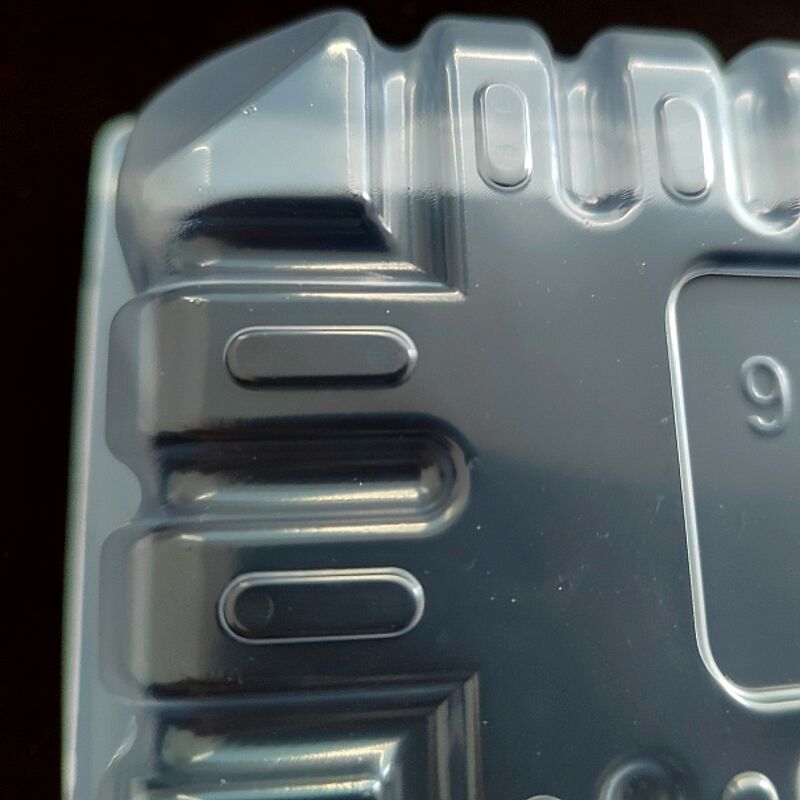
When selecting boxes for frozen meat packaging, understanding the critical material strengths becomes essential for maintaining product integrity throughout the cold chain. Frozen meat products face unique challenges during storage and distribution, requiring packaging solutions that can withstand extreme temperature variations, moisture exposure, and physical handling stress. The material properties of boxes for frozen meat packaging directly influence shelf life, food safety compliance, and operational efficiency across processing facilities and retail environments.
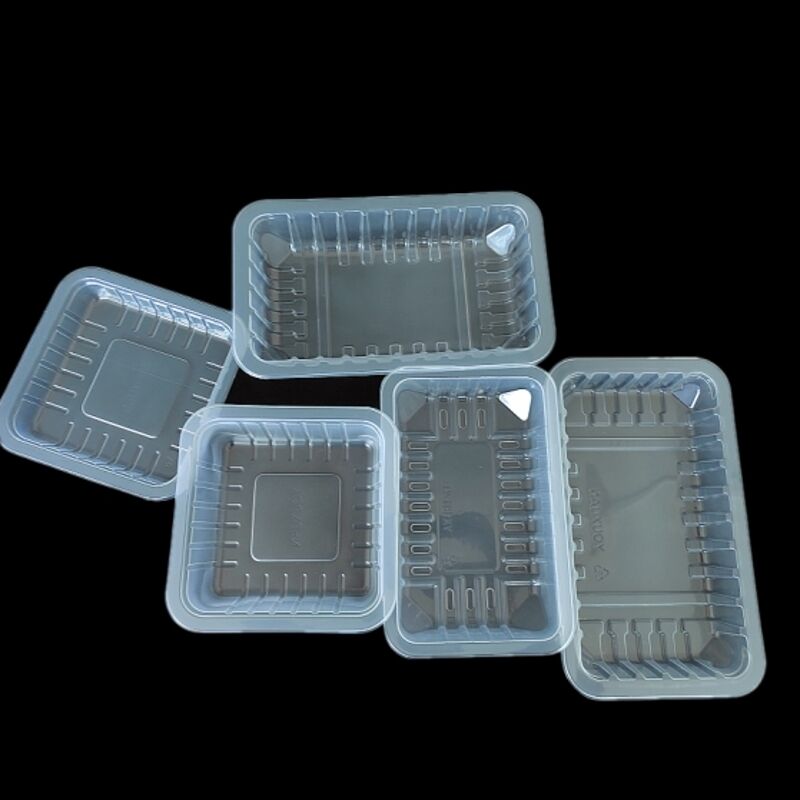
Material strength characteristics determine whether packaging can protect frozen meat from freezer burn, contamination, and structural collapse during transportation. Processors and distributors must evaluate multiple strength parameters including burst resistance, compression strength, moisture barrier performance, and temperature tolerance when specifying boxes for frozen meat packaging. These factors work together to create a protective environment that preserves meat quality from processing plant to consumer purchase, while also supporting cost-effective logistics and sustainable material usage.
Critical Structural Strength Properties for Frozen Conditions
Compression Resistance Under Cold Storage
Compression strength represents one of the most vital material properties for boxes for frozen meat packaging because stacking loads in frozen storage facilities can exceed several hundred pounds per square inch. Corrugated fiberboard and molded pulp materials must maintain their structural integrity at temperatures ranging from minus twenty to minus forty degrees Fahrenheit. The edge crush test (ECT) rating becomes particularly important, as frozen conditions can alter the load-bearing capacity of cellulose-based materials by fifteen to twenty-five percent compared to room temperature performance.
Material selection must account for the embrittlement effect that occurs when packaging materials reach sub-zero temperatures. Boxes for frozen meat packaging constructed from virgin fiber corrugated board typically demonstrate superior compression performance compared to recycled content alternatives in frozen environments. The flute profile also influences cold temperature compression strength, with B-flute and C-flute configurations offering different trade-offs between stacking strength and material thickness. Processors should specify minimum bursting test values of at least 200 pounds per square inch for standard frozen meat applications.
The duration of cold exposure affects compression strength retention over time, making it essential to select materials that resist creep deformation during extended frozen storage periods. Boxes for frozen meat packaging must support stacking heights of five to eight feet in typical warehouse configurations without experiencing structural collapse or deformation. Advanced coating technologies and moisture-resistant treatments help maintain compression strength by preventing ice crystal formation within the corrugated medium, which can compromise the material's mechanical properties during freeze-thaw cycles.
Puncture and Tear Resistance
Puncture resistance becomes critical when boxes for frozen meat packaging must protect contents from sharp bone fragments, frozen edges, and handling equipment that could compromise package integrity. The Mullen burst test measures the material's ability to withstand internal pressure and external impact forces, with minimum thresholds typically ranging from 150 to 275 pounds per square inch depending on the meat product weight and handling intensity. Frozen meat packages frequently encounter rough handling during loading, unloading, and transport operations where puncture resistance prevents product exposure and contamination risks.
Material thickness and density directly correlate with puncture resistance performance in frozen conditions. Boxes for frozen meat packaging manufactured from higher basis weight liners demonstrate improved resistance to penetration from internal product edges and external handling damage. The molecular structure of the packaging material becomes more brittle at frozen temperatures, making puncture resistance testing at actual storage temperatures essential for accurate performance prediction. Coating treatments that enhance tear resistance without adding excessive weight provide operational advantages in high-volume processing environments.
Tear propagation resistance ensures that minor punctures or edge damage do not expand into larger openings that compromise the protective function of boxes for frozen meat packaging. Cross-directional tear strength particularly matters during automated filling and sealing operations where material stress concentrates at corners and closure points. Material specifications should include tear resistance values measured in both machine direction and cross direction to ensure consistent performance across all package orientations and stress vectors encountered during distribution.
Moisture Barrier and Environmental Resistance
Water Vapor Transmission Rate Control
The water vapor transmission rate (WVTR) of boxes for frozen meat packaging determines how effectively the material prevents moisture exchange between the frozen product and the external environment. Freezer burn occurs when moisture migrates from the meat surface through inadequate barrier protection, resulting in quality degradation and economic loss. Effective packaging materials should demonstrate WVTR values below 10 grams per square meter per 24 hours to provide adequate protection during typical frozen storage durations ranging from three to twelve months.
Polymer coatings and lamination technologies enhance the moisture barrier properties of traditional paperboard materials used in boxes for frozen meat packaging. Polyethylene coatings applied at weights between 15 and 25 pounds per ream create effective vapor barriers while maintaining the structural benefits of corrugated substrates. The coating integrity must withstand temperature fluctuations without cracking or delaminating, as barrier failures create pathways for moisture migration that accelerate product deterioration. Material testing should evaluate barrier performance across the full temperature range expected during distribution and storage.
Humidity resistance prevents structural weakening when boxes for frozen meat packaging transition between frozen storage and ambient temperature environments during handling and transport. Condensation formation on package surfaces during temperature transitions can saturate unprotected paperboard materials, reducing compression strength by forty to sixty percent within minutes. Moisture-resistant treatments maintain material strength during these critical transition periods, ensuring package integrity throughout the entire cold chain from processor to retail display.
Temperature Cycling Durability
Boxes for frozen meat packaging must withstand repeated freeze-thaw cycles that occur during transportation delays, equipment failures, and distribution center transfers. Each temperature cycle stresses the material structure as moisture within the packaging substrate expands during freezing and contracts during warming. Materials with poor dimensional stability experience warping, delamination, and strength loss after multiple temperature excursions, compromising both protective performance and aesthetic presentation.
The coefficient of thermal expansion for packaging materials influences dimensional stability during temperature changes. Boxes for frozen meat packaging constructed from materials with matched expansion rates between layers resist delamination and warping better than composite structures with mismatched thermal properties. Testing protocols should simulate realistic distribution scenarios including temperature ranges from minus twenty degrees Fahrenheit to seventy degrees Fahrenheit with humidity variations between thirty and ninety percent relative humidity.
Fiber swelling and contraction during temperature cycling can create micro-fractures in the material matrix of boxes for frozen meat packaging, progressively degrading mechanical properties over time. Advanced manufacturing processes that control fiber orientation and density distribution improve temperature cycling resistance. Material selection criteria should include accelerated aging tests that subject samples to ten or more freeze-thaw cycles while monitoring compression strength retention, moisture barrier integrity, and dimensional stability throughout the testing sequence.
Chemical Resistance and Food Safety Compliance
Fat and Protein Contact Resistance
Boxes for frozen meat packaging must resist degradation from contact with animal fats, blood proteins, and meat juices that can penetrate packaging materials over time. Fat absorption weakens cellulose-based materials by disrupting hydrogen bonding within the fiber matrix, reducing both compression strength and moisture barrier effectiveness. Food-grade barrier coatings prevent fat migration into the packaging substrate while maintaining compliance with FDA regulations for direct food contact applications.
The grease resistance of boxes for frozen meat packaging becomes particularly important when packages contain higher fat content products such as ground beef, pork belly, or marbled cuts. Material specifications should include Cobb test values indicating water absorption resistance, with targets typically below 25 grams per square meter for adequate fat resistance. Fluorochemical treatments and aqueous barrier coatings provide effective grease resistance without introducing materials that could migrate into food products or create disposal concerns.
Long-term contact testing evaluates how effectively boxes for frozen meat packaging resist protein staining and fat penetration during extended frozen storage periods. Packaging materials that absorb fats or proteins can develop discoloration and odors that affect product marketability even when the meat itself remains wholesome. Material selection should prioritize formulations that maintain clean appearance and neutral odor characteristics throughout the intended shelf life while supporting food safety objectives and regulatory compliance requirements.
Cleaning Agent and Sanitizer Compatibility
Processing facilities frequently expose boxes for frozen meat packaging to cleaning solutions, sanitizers, and disinfectants during production operations and equipment maintenance activities. Material compatibility with common food industry chemicals including quaternary ammonium compounds, peracetic acid, and chlorine-based sanitizers prevents premature degradation and ensures package integrity throughout the filling and sealing process. Chemical resistance testing should evaluate material performance after exposure to sanitizer concentrations and contact durations typical of meat processing environments.
The pH stability of packaging materials affects their resistance to acidic and alkaline cleaning agents used in meat processing facilities. Boxes for frozen meat packaging must maintain structural integrity and barrier properties when exposed to pH ranges from 3 to 11 without experiencing fiber swelling, coating delamination, or strength loss. Material formulations that incorporate chemical-resistant sizing agents and synthetic binders demonstrate improved stability across wider pH ranges compared to traditional rosin-sized paperboard products.
Residual chemical contamination risks require that boxes for frozen meat packaging utilize materials that do not absorb or retain sanitizers that could subsequently migrate into meat products. Non-porous barrier coatings prevent chemical absorption while supporting effective cleaning validation protocols. Material safety data sheets and regulatory compliance documentation should confirm that all packaging components meet food contact substance regulations including FDA 21 CFR Part 176 requirements for components of paper and paperboard in contact with aqueous and fatty foods.
Mechanical Performance During Handling Operations
Impact Resistance and Drop Performance
Impact resistance determines whether boxes for frozen meat packaging can survive drop events during loading, unloading, and transportation without rupturing or allowing product exposure. Standard drop testing from heights of 24 to 48 inches simulates realistic handling scenarios in distribution centers and delivery operations. Frozen meat products increase package weight significantly, creating higher impact forces during drops that stress both bottom panels and corner structures where failure typically initiates.
The energy absorption capacity of packaging materials influences impact performance, with materials that exhibit controlled deformation characteristics outperforming rigid brittle materials that shatter upon impact. Boxes for frozen meat packaging should incorporate design features such as reinforced corners, double-wall construction in critical areas, and cushioning elements that distribute impact forces across larger surface areas. Testing protocols should evaluate performance with actual product weights at frozen temperatures to accurately predict real-world drop resistance.
Repeated impact resistance matters for boxes for frozen meat packaging that undergo multiple handling events during distribution through wholesale and retail channels. Cumulative damage from minor impacts can progressively weaken package structures even when individual events do not cause immediate failure. Material selection should favor formulations that maintain elastic recovery properties at frozen temperatures, allowing packages to absorb multiple impacts without permanent deformation or structural compromise that would reduce protective performance during subsequent handling events.
Abrasion and Surface Wear Resistance
Surface abrasion occurs when boxes for frozen meat packaging contact conveyor systems, pallet surfaces, and adjacent packages during automated handling and storage operations. Abrasion resistance affects both structural integrity and print quality retention, with surface wear potentially exposing uncoated substrates to moisture and compromising barrier properties. Materials with enhanced surface hardness and abrasion-resistant coatings maintain package appearance and protective function throughout distribution cycles involving extensive automated handling.
The Taber abraser test quantifies surface wear resistance by measuring material loss after specified rotation cycles under controlled pressure. Boxes for frozen meat packaging should demonstrate wear indices below 100 milligrams per 1000 cycles for adequate abrasion resistance in high-throughput distribution environments. Coating formulations that incorporate ceramic fillers or cross-linked polymers provide superior abrasion resistance compared to conventional aqueous coatings while maintaining flexibility needed to prevent cracking during package formation and filling operations.
Edge crush resistance during handling operations affects the ability of boxes for frozen meat packaging to maintain dimensional stability when subjected to side-loading forces on conveyor systems and during palletization. Materials that resist edge deformation maintain proper package geometry throughout distribution, ensuring consistent stacking performance and preventing load shifting that could damage products or create safety hazards. Testing protocols should evaluate edge crush strength at frozen temperatures using sample conditioning procedures that replicate actual storage conditions before mechanical testing.
Sustainability and End-of-Life Considerations
Recyclability and Fiber Recovery
The recyclability of boxes for frozen meat packaging affects both environmental performance and compliance with extended producer responsibility regulations in multiple jurisdictions. Paper-based materials offer inherent recyclability advantages when contamination from food residues, coatings, and adhesives remains within acceptable limits for fiber recovery operations. Material selection should prioritize coating technologies and adhesive systems that do not interfere with standard recycling processes or downgrade recovered fiber quality.
Barrier coatings applied to boxes for frozen meat packaging must balance performance requirements with recyclability objectives. Water-based dispersion coatings and biodegradable polymer laminations support recycling infrastructure compatibility better than traditional wax coatings or multi-layer plastic laminates that create separation challenges during pulping operations. Packaging specifications should document coating weights and material compositions to facilitate proper sorting and processing at material recovery facilities.
Contamination management protocols influence the practical recyclability of boxes for frozen meat packaging in real-world collection systems. Packages with minimal food residue contamination and removable plastic windows or tape components achieve higher recycling rates than designs requiring extensive cleaning or component separation. Design for recycling principles should guide material selection and structural design decisions, prioritizing mono-material constructions and easily separable components that support efficient material recovery and reprocessing into new packaging products.
Renewable Content and Carbon Footprint
Renewable material content in boxes for frozen meat packaging supports corporate sustainability commitments while reducing dependence on fossil fuel-derived resources. Paperboard substrates manufactured from sustainably managed forests provide renewable content ranging from seventy to one hundred percent depending on coating and adhesive formulations. Third-party certification programs including FSC and SFI verify sustainable fiber sourcing and forest management practices that support biodiversity conservation and responsible resource stewardship.
The carbon footprint of boxes for frozen meat packaging encompasses raw material extraction, manufacturing energy consumption, transportation emissions, and end-of-life processing impacts. Life cycle assessment methodologies quantify greenhouse gas emissions across all supply chain stages, enabling comparison of alternative material options and identification of reduction opportunities. Material selection decisions should consider embodied carbon alongside functional performance attributes, recognizing that lightweight high-performance materials often deliver lower total environmental impacts than heavier conventional alternatives.
Bio-based barrier coatings derived from plant starches, proteins, and polysaccharides offer renewable alternatives to petroleum-based polymers used in boxes for frozen meat packaging. These materials reduce fossil carbon content while maintaining moisture barrier and grease resistance properties needed for frozen meat applications. Performance validation testing should confirm that bio-based materials deliver equivalent protection across relevant temperature ranges and storage durations, ensuring that sustainability improvements do not compromise food safety or product quality objectives.
FAQ
What minimum compression strength should boxes for frozen meat packaging meet for typical warehouse stacking?
Boxes for frozen meat packaging should demonstrate edge crush test values of at least 32 ECT for standard applications, translating to stacking strengths capable of supporting 600 to 800 pounds when properly conditioned. This ensures packages can withstand typical warehouse stacking heights of five to eight feet with adequate safety factors. Testing should occur at actual frozen storage temperatures since cold conditions can reduce compression strength by 15 to 25 percent compared to ambient temperature performance.
How does temperature cycling affect the moisture barrier properties of frozen meat packaging materials?
Temperature cycling creates stress in barrier coatings through repeated expansion and contraction, potentially causing micro-cracking that increases water vapor transmission rates. Quality boxes for frozen meat packaging incorporate flexible barrier materials that accommodate thermal stress without losing integrity. After ten freeze-thaw cycles between minus twenty and seventy degrees Fahrenheit, well-designed materials should maintain water vapor transmission rates within 20 percent of original values to provide adequate long-term protection.
Why does puncture resistance matter more at frozen temperatures than ambient conditions?
Packaging materials become more brittle at frozen temperatures, reducing their ability to deform and absorb energy during puncture events. This brittleness makes boxes for frozen meat packaging more susceptible to catastrophic failure from sharp frozen edges or handling impacts. Materials must be specifically selected and tested at frozen temperatures to ensure adequate puncture resistance, as ambient temperature test results can overestimate actual cold storage performance by 30 to 40 percent.
What coating thickness provides optimal moisture protection without compromising recyclability?
Polyethylene coatings applied at 15 to 18 pounds per ream provide effective moisture barriers for boxes for frozen meat packaging while remaining compatible with many recycling systems. Thinner coatings below 12 pounds per ream may not provide adequate long-term protection, while heavier applications above 25 pounds per ream can interfere with fiber recovery during recycling. Water-based dispersion coatings offer an alternative that maintains recyclability while providing sufficient barrier properties for many frozen meat applications with shorter storage durations.
Table of Contents
- Critical Structural Strength Properties for Frozen Conditions
- Moisture Barrier and Environmental Resistance
- Chemical Resistance and Food Safety Compliance
- Mechanical Performance During Handling Operations
- Sustainability and End-of-Life Considerations
-
FAQ
- What minimum compression strength should boxes for frozen meat packaging meet for typical warehouse stacking?
- How does temperature cycling affect the moisture barrier properties of frozen meat packaging materials?
- Why does puncture resistance matter more at frozen temperatures than ambient conditions?
- What coating thickness provides optimal moisture protection without compromising recyclability?