
 EN
EN
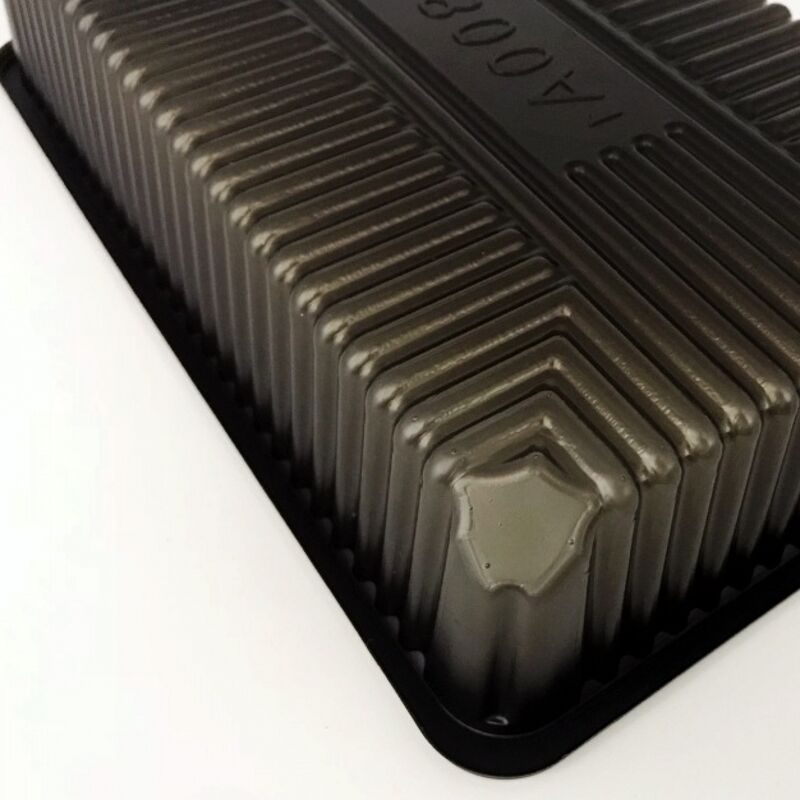
Modern poultry processing and retail environments face a persistent challenge: accommodating the natural variation in bird sizes while maintaining efficient, hygienic, and visually appealing packaging. Overwrap poultry trays have emerged as the industry's preferred solution precisely because they possess inherent adaptability features that address this variability. Unlike rigid, fixed-dimension packaging systems, these trays are engineered with geometric flexibility, material elasticity, and modular design principles that allow processors to handle everything from Cornish game hens to large roasters using coordinated tray-film combinations rather than entirely separate packaging lines.
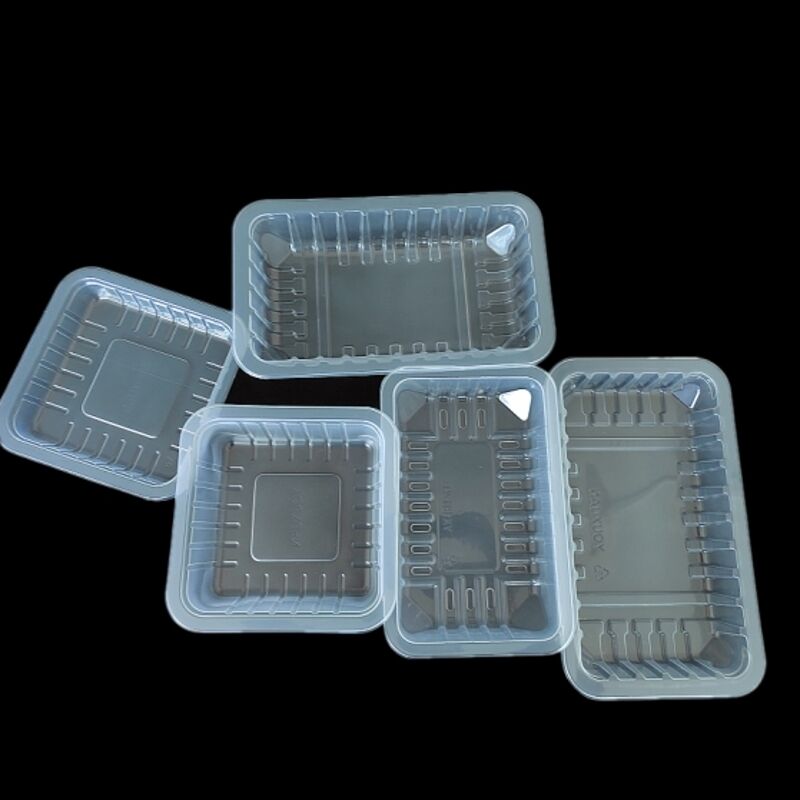
The adaptation mechanism of overwrap poultry trays to varying bird sizes and formats operates through three interconnected systems: dimensional scalability within standardized footprints, material conformability that accommodates volumetric differences, and equipment compatibility that enables quick changeovers between size categories. These systems work synergistically, allowing a single packaging operation to handle diverse product assortments without sacrificing packaging integrity, food safety compliance, or retail presentation standards. Understanding how these adaptation mechanisms function provides processors with strategic advantages in inventory management, production flexibility, and market responsiveness.
Dimensional Scalability Architecture in Overwrap Poultry Trays
Modular Base Dimensions and Footprint Standardization
Overwrap poultry trays achieve size adaptability through a modular dimensional architecture that maintains consistent base footprints while varying cavity depth and perimeter contours. Standard industry footprints typically follow dimensions like 180×135mm, 220×145mm, and 240×180mm, which correspond to retail case compatibility and automated handling system requirements. Within each footprint category, manufacturers produce multiple depth variants ranging from 30mm for smaller cuts to 65mm for whole birds, allowing processors to select appropriate combinations without reconfiguring downstream equipment.
This modular approach creates what packaging engineers term dimensional families, where overwrap poultry trays sharing identical length and width measurements can be processed on the same wrapping machinery with minimal adjustment. A processor handling both 1.2kg broilers and 1.8kg roasters might use two tray depths within the same 220×145mm footprint, requiring only wrapping machine height sensor recalibration rather than complete equipment changeover. The standardized footprint also ensures consistent stacking patterns in refrigerated storage and transportation, maintaining cold chain efficiency regardless of product size variation.
Geometric Flexibility Through Contour Design
The internal geometry of overwrap poultry trays incorporates strategic flexibility zones that accommodate natural variations in bird conformation without creating excessive void space or product instability. Advanced tray designs feature graduated sidewall angles, typically between 5 and 15 degrees from vertical, which allow larger birds to nestle into upper tray zones while smaller products settle into the narrower base area. This conical configuration creates a self-centering effect that positions products optimally regardless of size variance within the tray's capacity range.
Corner radius engineering represents another critical geometric adaptation feature in overwrap poultry trays. Generous corner radii, typically 8-12mm, prevent stress concentration during the wrapping process and allow overwrap film to conform smoothly around products of varying dimensions. Sharp corners would create wrinkle points and potential seal failures when accommodating size extremes, while optimized radii distribute material tension evenly across the package perimeter. This geometric consideration becomes particularly important when a single tray design must handle both compact chicken breasts and irregularly shaped whole birds with protruding drumsticks.
Vertical Capacity Variation Through Depth Options
Depth variation represents the primary dimensional adjustment mechanism in overwrap poultry trays for accommodating different bird sizes within standardized production systems. Manufacturers typically offer depth increments of 5-10mm within each footprint family, creating a spectrum of capacity options that processors can deploy based on real-time product mix requirements. A facility processing variable-weight whole chickens might stock three depth variants—40mm, 50mm, and 60mm—allowing line operators to select appropriate trays based on incoming bird weights without disrupting production flow.
This depth modularity interacts strategically with overwrap film gauge and stretch characteristics to maintain package integrity across size ranges. Deeper overwrap poultry trays require proportionally higher film tension during the wrapping cycle to achieve secure sealing, but the increased material path length also provides additional conformability around larger products. Equipment manufacturers design wrapping machinery with adjustable film carriage heights and variable sealing pressure systems that automatically compensate for tray depth variations, enabling seamless processing of mixed-size batches with minimal manual intervention.
Material Properties Enabling Size Accommodation
Polymer Selection for Structural Compliance
The base material composition of overwrap poultry trays directly influences their capacity to accommodate size variation through controlled structural compliance. Most high-performance trays utilize polystyrene or polypropylene formulations engineered with specific flexural modulus values that provide rigidity for handling while allowing limited elastic deformation under wrapping tension. This carefully calibrated compliance enables the tray walls to flex slightly outward when accommodating larger products, then return to original geometry without permanent deformation or structural compromise.
Advanced polymer blends incorporate elastomeric modifiers that enhance this adaptive behavior in overwrap poultry trays. These additives, typically comprising 3-8% of the total formulation, increase impact resistance and allow the tray structure to absorb stress from product weight variations without cracking or splitting. When a heavier bird is placed in a tray designed for a nominal weight range, the modified polymer matrix distributes the load across the entire base rather than creating concentrated stress points that could lead to package failure during handling or transportation.
Wall Thickness Graduation for Selective Rigidity
Sophisticated overwrap poultry trays employ variable wall thickness profiles that create zones of differential rigidity optimized for size accommodation. Base sections typically feature thicker material, often 0.8-1.2mm, providing structural support for product weight, while upper sidewall regions may taper to 0.5-0.7mm to enhance flexibility during the overwrapping process. This thickness graduation allows the tray to maintain dimensional stability under load while the thinner upper zones conform more readily to product contours during film application.
The strategic distribution of material thickness in overwrap poultry trays also influences how wrapping film interacts with the package geometry. Thicker base sections provide a rigid platform that prevents bottom deflection when film tension is applied, ensuring consistent seal formation regardless of product weight. Meanwhile, the more compliant upper sections allow the tray perimeter to accommodate slight dimensional variations in bird width or height without creating film tension irregularities that could compromise seal integrity or create visual defects in the finished package.
Surface Texture Optimization for Product Stability
The internal surface characteristics of overwrap poultry trays contribute significantly to size accommodation by providing variable friction coefficients that stabilize products of different dimensions. Micro-textured surfaces, created through specialized mold finishing techniques, generate sufficient grip to prevent small products from sliding during handling while not creating excessive resistance against larger birds during automated placement. The texture depth, typically 20-50 microns, represents a critical parameter that manufacturers optimize for each tray size category.
Advanced overwrap poultry trays incorporate zone-differentiated surface treatments, with higher friction coefficients in the base center area and progressively smoother surfaces toward the perimeter. This gradient texture profile centers smaller products effectively while allowing larger birds to settle into the tray cavity without binding against the sidewalls. The texture pattern also facilitates purge absorption by creating micro-channels that direct liquid away from direct product contact surfaces, maintaining package appearance consistency across varying bird sizes and processing moisture contents.
Equipment Interface and Processing Flexibility
Wrapping Machine Compatibility Ranges
Modern overwrapping equipment designed for poultry applications incorporates sophisticated sensing and adjustment systems that enable a single machine to process wide tray size ranges without manual reconfiguration. Vision systems and laser measurement devices detect tray dimensions as products enter the wrapping zone, automatically adjusting film feed rates, sealing temperatures, and conveyor timing to accommodate the specific package geometry. This adaptive capability transforms overwrap poultry trays from passive containers into active participants in a flexible packaging system responsive to real-time product variation.
The mechanical interface between overwrap poultry trays and wrapping equipment relies on standardized engagement features that remain consistent across size variants within a dimensional family. Tray rim profiles, typically featuring specific radius and width specifications, ensure reliable gripper contact and precise positioning during the wrapping cycle. When processors need to handle different bird sizes, they can swap tray depths within the same footprint family without adjusting machine guide rails, gripper spacing, or conveyor lane configurations, enabling size changeovers in under five minutes compared to hours required for completely different packaging formats.
Film Specification Coordination with Tray Dimensions
The relationship between overwrap poultry trays and compatible film specifications creates a coordinated system where size accommodation depends on matched material properties rather than just dimensional compatibility. Smaller tray depths typically pair with 12-15 micron films offering moderate stretch characteristics, while deeper trays accommodating larger birds require 15-20 micron films with enhanced puncture resistance and higher ultimate elongation values. This specification matching ensures that film performance scales proportionally with product size challenges.
Film width represents a critical coordination parameter that directly affects how effectively overwrap poultry trays accommodate size variation. Standard film widths are engineered to provide adequate material for wrapping the largest tray depth in a dimensional family while minimizing excess material waste when wrapping shallower variants. Advanced wrapping systems incorporate variable film advance mechanisms that adjust material feed based on detected tray depth, optimizing material usage across mixed-size production runs. This coordination between tray geometry and film specification enables processors to maintain consistent packaging economics despite product size variability.
Automated Tray Selection and Feeding Systems
Sophisticated poultry processing facilities implement automated tray dispensing systems that select appropriate overwrap poultry trays based on real-time weight or dimensional data from upstream grading equipment. These systems maintain separate magazines for different tray depths within the same footprint family, using pneumatic or servo-driven selection mechanisms to deliver the optimal tray to the packaging line based on each individual bird's specifications. This automation eliminates manual tray selection errors and ensures that size accommodation occurs systematically rather than through operator judgment.
The integration of tray selection automation with enterprise resource planning systems enables processors to optimize inventory management for overwrap poultry trays across size variants. Real-time tracking of tray usage by size category provides data for predictive ordering, ensuring adequate stock of all variants without excessive inventory carrying costs. When seasonal variations in bird size distributions occur, the system automatically adjusts tray procurement ratios to match anticipated production requirements, maintaining packaging flexibility without operational disruptions.
Format Adaptation Strategies for Product Variants
Whole Bird Configuration Management
Whole bird packaging presents unique challenges for overwrap poultry trays due to irregular geometry, weight concentration in specific body regions, and the presence of protruding elements like drumsticks and wings. Tray designs optimized for whole birds incorporate asymmetric cavity profiles that accommodate breast mass in the deeper central zone while providing lateral extensions for leg quarters. This anatomically informed geometry ensures that overwrap poultry trays can handle birds ranging from 0.9kg to 2.5kg within a single tray family through depth variation alone, without requiring fundamentally different cavity shapes.
The positioning logic for whole birds in overwrap poultry trays also contributes to size accommodation capability. Deeper trays designed for larger roasters incorporate subtle guide features molded into the base that naturally orient birds in an optimal presentation position regardless of size. These features, typically subtle ridges or shallow depressions positioned to align with the bird's keel bone, ensure consistent presentation while accommodating natural size variation. The result is visual consistency across a retail case display despite underlying product weight differences of 30% or more.
Cut Portion Flexibility and Multi-Compartment Options
When processors package poultry portions rather than whole birds, overwrap poultry trays demonstrate adaptability through configurable compartmentalization that accommodates different piece counts and cut sizes. Single-cavity trays in various depths handle individual breast portions ranging from 180g to 350g, while multi-compartment designs enable family pack configurations with mixed portions. The compartment divider systems in these trays typically feature removable or snap-in elements that allow processors to modify cavity counts based on current product specifications without investing in completely new tray inventory.
The geometric relationship between compartment size and overall tray capacity in multi-portion overwrap poultry trays enables sophisticated format adaptation. A tray designed with four nominal 200g compartments can effectively accommodate three 250g portions by utilizing only three cavities, with the unused compartment serving as a label zone or simply remaining empty under the overwrap film. This flexibility reduces SKU complexity in tray procurement while maintaining packaging versatility for processors who offer multiple portion size options based on retail customer requirements or promotional programs.
Value-Added Product Accommodation
Marinated, seasoned, or otherwise enhanced poultry products introduce additional size accommodation requirements for overwrap poultry trays due to coating thickness variations and potential for irregular surface geometries. Trays designed for these applications typically feature slightly larger cavity volumes—approximately 10-15% greater than standard trays of equivalent nominal capacity—to accommodate the added bulk from surface treatments without compromising film seal integrity. The increased depth also provides additional headspace that prevents coating transfer to the film surface during wrapping, maintaining visual appeal.
Surface treatments in overwrap poultry trays for value-added products often incorporate enhanced release characteristics that prevent adhesion of marinades or seasonings to the tray substrate. These low-surface-energy coatings or additive packages allow products with varied coating viscosities and thicknesses to release cleanly during consumer unpacking regardless of size variations. The coating technology also facilitates consistent appearance across mixed-size value-added offerings, as excess marinade does not pool unevenly in tray corners or create discolored zones that vary with product dimensions.
Operational Implementation and Size Management Protocols
Production Planning for Mixed-Size Runs
Effective utilization of overwrap poultry trays across varying bird sizes requires strategic production planning that balances packaging flexibility against operational efficiency. Leading processors implement size-banding protocols where birds are grouped into discrete weight categories—typically 100-200g ranges—that correspond to specific tray depth selections. This approach transforms continuous size variation into manageable discrete categories that can be processed sequentially with minimal changeover time, leveraging the inherent adaptability of overwrap poultry trays while maintaining production throughput.
The integration of real-time grading data with packaging line control systems enables dynamic tray selection that optimizes material utilization across size ranges. When bird size distribution shifts during a production run, automated systems adjust tray magazine priorities to match the emerging size profile, preventing situations where inappropriate tray sizes create packaging inefficiencies or product presentation issues. This responsive approach maximizes the value proposition of overwrap poultry trays by exploiting their size accommodation capabilities while avoiding the operational chaos that unmanaged size variation could create.
Quality Control Across Size Variants
Maintaining consistent package quality when using overwrap poultry trays across varying bird sizes requires adapted inspection protocols that account for size-dependent failure modes. Vision inspection systems employed in modern poultry packaging lines incorporate size-aware algorithms that adjust acceptable tolerance ranges for seal width, film tension indicators, and drape appearance based on detected tray depth and product dimensions. This intelligent quality control prevents false rejects that would occur if fixed standards were applied across all size variants, recognizing that larger products naturally create different film stress patterns than smaller ones.
Physical testing protocols for overwrap poultry trays must similarly account for size variation when validating package integrity. Drop testing, compression testing, and seal strength evaluation should be performed across the full range of tray depths and product sizes that a processor intends to handle, ensuring that the packaging system maintains protective performance at size extremes. Processors who skip this comprehensive validation risk discovering size-related failure modes only after product reaches retail distribution, where the consequences include both direct product loss and brand reputation damage.
Inventory Management for Size-Adaptive Systems
The economic benefits of overwrap poultry trays' size adaptability can only be realized through disciplined inventory management that maintains appropriate stock levels across the tray variant portfolio without excessive capital investment. Successful processors typically implement min-max inventory systems for each tray size within a dimensional family, with reorder points calibrated to historical size distribution data and lead time variability. This approach ensures that the flexibility inherent in overwrap poultry trays translates to operational resilience rather than stockout disruptions when seasonal size shifts occur.
Advanced inventory optimization for size-adaptive packaging systems also considers the total cost of ownership across the tray variant portfolio. While maintaining inventory of multiple depths within a footprint family increases complexity compared to a single universal size, the elimination of product rework, reduction in packaging material waste, and improved retail presentation often generate return on investment within a single fiscal quarter. Financial models that capture these downstream benefits, rather than focusing exclusively on tray unit costs, reveal the true economic value of implementing comprehensive size accommodation strategies with overwrap poultry trays.
FAQ
What is the typical size range that a single overwrap poultry tray footprint can accommodate?
A single footprint family of overwrap poultry trays typically accommodates product weight variations of approximately 40-60% through depth variation alone. For example, a 220×145mm footprint family might include depth options from 40mm to 65mm, enabling effective packaging of whole birds ranging from 1.0kg to 2.2kg. The specific range depends on product geometry, with more spherical items like whole birds offering broader accommodation than flat portions. Processors targeting wider size ranges typically deploy two footprint families with overlapping capacity zones to ensure optimal packaging across their entire product spectrum.
How quickly can overwrapping equipment switch between different tray sizes?
Modern overwrapping machinery designed for poultry applications can switch between different tray depths within the same footprint family in approximately 3-5 minutes with minimal manual adjustment. The changeover typically involves only film carriage height adjustment and control system parameter updates, as the standardized footprint maintains compatibility with guide rails and gripper systems. Switching between different footprint families requires more extensive mechanical adjustments including conveyor lane width changes and may require 20-30 minutes depending on equipment sophistication. This changeover time differential strongly incentivizes processors to maximize usage of depth variants within single footprint families when planning production schedules.
Do different tray depths require different film specifications for optimal performance?
While overwrap poultry trays of different depths within the same footprint family can technically use identical film specifications, optimal performance typically involves coordinating film gauge and mechanical properties with tray depth. Deeper trays accommodating larger products generally benefit from slightly heavier gauge films, typically increasing from 12-15 micron for shallow trays to 15-20 micron for deep variants, to provide adequate puncture resistance and seal strength under higher product weights. However, many processors successfully use a single mid-range film specification across moderate depth variations, accepting slight performance compromises in exchange for inventory simplification. The decision depends on specific product characteristics, handling conditions, and shelf life requirements for each processor's unique operational context.
Can the same overwrap tray accommodate both bone-in and boneless products of similar weight?
Overwrap poultry trays can accommodate both bone-in and boneless products of similar weight, though the optimal tray depth may differ due to geometry variations between these product types. Bone-in products typically have more irregular, three-dimensional shapes requiring deeper cavities to prevent film contact with protruding bones, while boneless products with flatter profiles may package effectively in shallower trays despite equivalent weight. Many processors use a single deeper tray for both applications within a weight category, accepting slight excess capacity for boneless items in exchange for inventory simplification. Alternatively, facilities with dedicated production lines for each product type can optimize tray selection independently, using shallower overwrap poultry trays for boneless items to reduce material costs and improve package density in refrigerated storage and transportation.
Table of Contents
- Dimensional Scalability Architecture in Overwrap Poultry Trays
- Material Properties Enabling Size Accommodation
- Equipment Interface and Processing Flexibility
- Format Adaptation Strategies for Product Variants
- Operational Implementation and Size Management Protocols
-
FAQ
- What is the typical size range that a single overwrap poultry tray footprint can accommodate?
- How quickly can overwrapping equipment switch between different tray sizes?
- Do different tray depths require different film specifications for optimal performance?
- Can the same overwrap tray accommodate both bone-in and boneless products of similar weight?