
 EN
EN
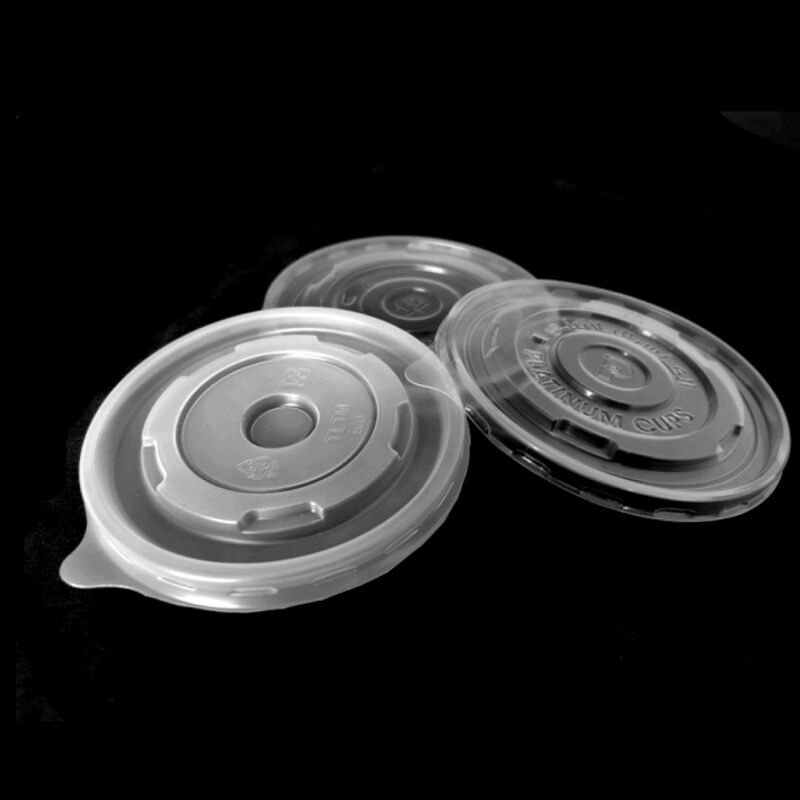
Fresh goods demand packaging solutions that preserve quality, extend shelf life, and maintain product integrity throughout distribution and storage. When it comes to protecting perishable items, the barrier properties of packaging materials become critically important. Blister pack designs offer unique advantages for fresh goods by combining visibility with controlled environmental protection. Understanding which barrier properties matter most allows manufacturers and packagers to select materials that prevent spoilage, maintain freshness, and deliver products in optimal condition. The performance of a blister pack depends on multiple barrier characteristics working together to shield contents from moisture, oxygen, light, and contamination.
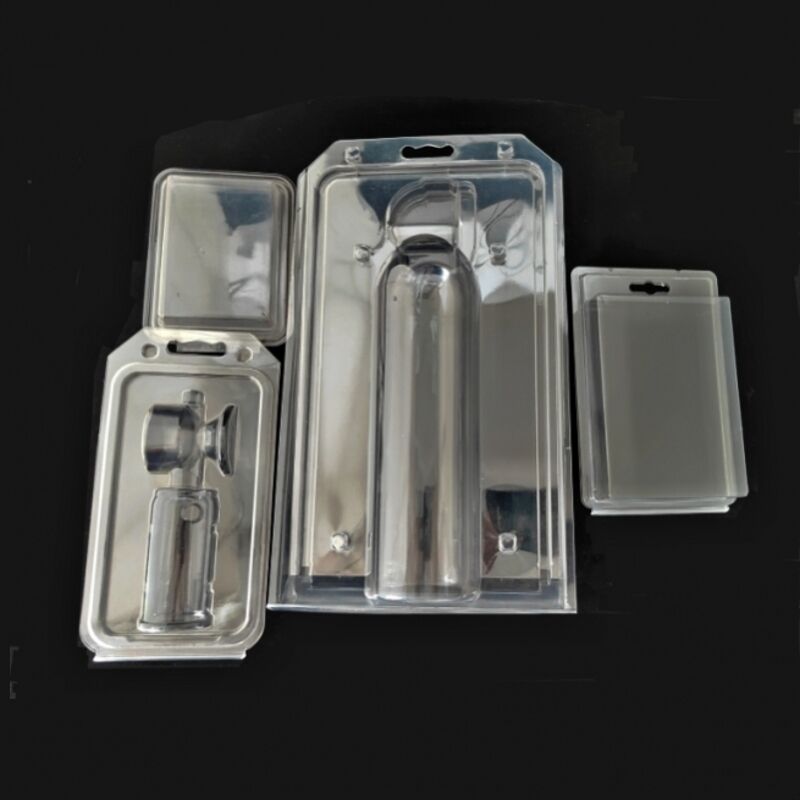
The effectiveness of blister packaging for fresh goods hinges on selecting materials with appropriate transmission rates for water vapor, oxygen, and other environmental factors. Different fresh products require different protection levels, and the barrier properties must be tailored to match specific preservation needs. From produce to prepared foods, the right combination of polymer films, coatings, and structural designs determines whether a blister pack can maintain freshness during the critical period between packaging and consumption. This article examines the essential barrier properties that enhance blister pack performance, explaining how each characteristic contributes to preserving fresh goods and what factors influence material selection for different applications.
Moisture Barrier Properties and Water Vapor Transmission Control
Understanding Water Vapor Transmission Rate in Blister Materials
Water vapor transmission rate measures how much moisture passes through packaging material over time, expressed in grams per square meter per day. For fresh goods, controlling moisture movement is fundamental to preventing dehydration, texture changes, and microbial growth. Blister pack materials with low water vapor transmission rates create effective barriers that maintain the moisture equilibrium inside the package. Different polymers exhibit vastly different permeability characteristics, with materials like polyvinylidene chloride and ethylene vinyl alcohol copolymers offering superior moisture barrier performance compared to basic polyethylene or polypropylene films.
The thickness of the blister pack material directly influences moisture barrier effectiveness, but material selection matters more than simply increasing gauge. Advanced multi-layer structures combine materials with complementary properties to achieve optimal water vapor resistance while maintaining formability and clarity. For fresh produce, balancing moisture retention with controlled respiration becomes essential, requiring calculated permeability rather than complete impermeability. Understanding the relationship between ambient humidity, product moisture content, and packaging transmission rates allows designers to specify appropriate barrier levels that prevent both dehydration and condensation problems.
Impact of Moisture Control on Fresh Goods Shelf Life
Moisture migration affects fresh goods in multiple ways, from weight loss and wilting to creating conditions favorable for spoilage organisms. When blister pack materials lack adequate moisture barrier properties, products lose mass through evaporation, resulting in shriveled appearance and compromised texture. Conversely, excessive moisture accumulation inside poorly designed packaging creates condensation that accelerates decomposition and promotes bacterial or fungal growth. The ideal moisture barrier maintains product hydration at levels that preserve quality without allowing water activity levels that support microbial proliferation.
Temperature fluctuations during distribution exacerbate moisture-related challenges, as thermal cycling drives vapor movement and condensation formation. Blister pack designs for fresh goods must account for expected temperature variations and specify barrier properties that minimize moisture redistribution under realistic storage conditions. Products with high initial moisture content require more stringent vapor barriers compared to drier goods. The moisture barrier requirements also depend on intended shelf life, with longer storage periods demanding proportionally better transmission control to maintain acceptable quality throughout the distribution cycle.
Oxygen Barrier Characteristics for Oxidation Prevention
Oxygen Transmission Rates and Fresh Product Deterioration
Oxygen exposure initiates numerous degradation pathways in fresh goods, including enzymatic browning, lipid oxidation, vitamin degradation, and aerobic microbial growth. The oxygen transmission rate of blister pack materials determines how quickly atmospheric oxygen penetrates the package and interacts with product contents. Materials with high oxygen barrier properties significantly extend the shelf life of oxidation-sensitive fresh goods by limiting oxygen availability inside the package. Different products exhibit varying sensitivity to oxygen, with cut produce, fatty foods, and items with high enzymatic activity requiring particularly robust oxygen barriers.
The relationship between oxygen concentration and deterioration rate is not always linear, with some products showing threshold effects where quality remains stable below certain oxygen levels but degrades rapidly above them. Blister pack materials incorporating ethylene vinyl alcohol, polyamide, or metallized layers provide enhanced oxygen barrier performance compared to basic polyester or polystyrene constructions. The oxygen barrier must function consistently throughout the intended shelf life, maintaining low transmission rates even as materials age and undergo mechanical stress during handling and distribution. Selecting appropriate oxygen barrier properties requires understanding both the oxygen sensitivity of specific fresh goods and the oxygen transmission characteristics of available packaging materials.
Modified Atmosphere Considerations in Blister Pack Design
Some fresh goods benefit from modified atmosphere packaging where initial air composition is altered to optimize preservation. For these applications, blister pack barrier properties must maintain the desired atmospheric composition throughout storage by preventing both oxygen ingress and carbon dioxide egress. Fresh produce continues respiring after harvest, consuming oxygen and producing carbon dioxide, which means the packaging must balance gas exchange rates with metabolic activity. Overly restrictive barriers can lead to anaerobic conditions and off-flavor development, while insufficient barriers fail to maintain beneficial atmosphere modifications.
The oxygen barrier requirements for modified atmosphere blister packs depend on product respiration rates, package volume, and target gas composition. High-respiration products require either selective permeability or larger headspace volumes to prevent oxygen depletion, while low-respiration items need tighter oxygen barriers to maintain reduced oxygen atmospheres. Advanced blister pack constructions may incorporate micro-perforations or breathable films that provide calculated oxygen transmission tailored to specific product needs. Understanding how oxygen barrier properties interact with product metabolism allows designers to create packaging systems that actively contribute to preservation rather than simply containing products.
Light Transmission Control and Photodegradation Protection
Impact of Light Exposure on Fresh Goods Quality
Light exposure, particularly ultraviolet and visible blue wavelengths, accelerates degradation reactions in many fresh goods through photochemical processes. Vitamins, pigments, and aromatic compounds undergo photodegradation that compromises nutritional value, color, and flavor. While traditional blister pack designs emphasize transparency for product visibility, this clarity comes at the cost of light protection. Balancing visual merchandising requirements with light barrier needs presents a unique challenge in fresh goods packaging where both product appeal and preservation matter.
Different fresh products exhibit varying photosensitivity, with items containing carotenoids, chlorophyll, or riboflavin being particularly vulnerable to light-induced damage. The intensity and duration of light exposure during retail display significantly influence the degree of photodegradation. Blister pack materials can incorporate ultraviolet absorbers, light-blocking pigments, or reflective coatings that reduce harmful light transmission while maintaining acceptable product visibility. The effectiveness of light barrier properties depends on both the spectral absorption characteristics of the material and the thickness of the barrier layer.
Material Selection for Optimized Light Barrier Performance
Amber or bronze-tinted blister pack materials provide excellent light barrier properties while still allowing product inspection, making them suitable for moderately photosensitive fresh goods. For highly light-sensitive products, metallized films or opaque backing materials offer superior protection by blocking virtually all light transmission. Multi-layer constructions can incorporate light-blocking layers between clear outer layers, providing protection while maintaining surface clarity for printing and presentation. The choice of light barrier approach depends on product sensitivity, display conditions, and marketing requirements for product visibility.
Advanced coating technologies enable blister pack materials to selectively filter harmful wavelengths while transmitting visible light for product viewing. These selective barriers target the ultraviolet and short-wavelength visible spectrum responsible for most photodegradation while allowing longer wavelengths that contribute to product appearance. Testing light barrier effectiveness requires measuring transmission across relevant wavelengths and correlating material properties with actual product degradation rates under typical retail lighting conditions. Proper light barrier selection for fresh goods packaging requires balancing preservation needs against consumer expectations for product visibility and shelf appeal.
Composite Barrier Systems and Multi-Layer Constructions
Synergistic Effects of Combined Barrier Layers
No single polymer provides optimal barrier properties for all environmental factors simultaneously, which is why high-performance blister pack materials typically employ multi-layer constructions. These composite structures combine materials with complementary strengths, such as pairing a polymer with excellent oxygen barrier properties with another offering superior moisture resistance. The resulting laminate delivers overall barrier performance superior to any single-layer material of comparable thickness. Co-extrusion, adhesive lamination, and coating technologies enable manufacturers to create precisely engineered barrier systems tailored to specific fresh goods requirements.
The arrangement and thickness of individual layers within a composite structure significantly influence overall barrier effectiveness. Core barrier layers provide primary protection against oxygen and moisture, while outer layers contribute mechanical strength, heat sealability, and printability. Tie layers ensure adhesion between incompatible polymers, maintaining structural integrity throughout the blister pack service life. Understanding how different materials interact within a laminate structure allows packaging engineers to optimize barrier performance while controlling costs and maintaining processability for thermoforming operations.
Balancing Barrier Performance with Formability and Economics
High-barrier materials often exhibit reduced thermoformability compared to basic commodity polymers, requiring careful process optimization to achieve desired blister pack geometries without compromising barrier integrity. Stretching during forming can thin barrier layers and create stress points where transmission rates increase. Advanced multi-layer designs position barrier materials strategically to minimize thinning in critical areas while allowing more formable materials to accommodate deep draws and complex shapes. The economic implications of barrier material selection become significant when considering raw material costs, processing complexity, and resulting shelf life extension.
Selecting appropriate barrier properties requires evaluating the cost-benefit relationship between enhanced preservation and increased material expense. For fresh goods with inherently short shelf lives, modest barrier improvements may not justify premium materials, while products with longer distribution chains benefit substantially from advanced barrier systems. The optimal barrier specification depends on product value, target shelf life, distribution conditions, and competitive positioning. Blister pack designers must consider the entire value chain when specifying barrier properties, recognizing that improved preservation can reduce waste, enable broader distribution, and enhance overall product economics despite higher initial packaging costs.
Environmental Resistance and Barrier Stability
Temperature Effects on Barrier Property Performance
Barrier properties of blister pack materials change with temperature, typically showing increased transmission rates as temperature rises. This temperature dependence affects packaging performance throughout distribution and storage, particularly for fresh goods moving through varied climate zones. Materials that provide adequate barriers under refrigerated conditions may exhibit insufficient protection at ambient temperatures, allowing accelerated deterioration during temperature excursions. Understanding the temperature coefficients of transmission rates enables designers to specify materials that maintain acceptable barrier performance across expected temperature ranges.
Thermal cycling, where packages repeatedly experience warming and cooling, stresses barrier materials and can degrade performance over time through physical and chemical changes. Crystallinity changes, internal stresses, and interfacial delamination in multi-layer structures can occur with repeated temperature variation. Blister pack materials for fresh goods must demonstrate barrier stability not just at steady-state temperatures but throughout realistic thermal cycling that occurs in supply chains. Accelerated aging studies under temperature-stressed conditions help predict long-term barrier performance and identify materials that maintain protective properties throughout intended shelf life periods.
Humidity and Chemical Resistance of Barrier Materials
Ambient humidity affects both the transmission properties of packaging materials and their dimensional stability. Some polymers absorb moisture from the environment, which can alter their barrier characteristics and mechanical properties. Blister pack materials that maintain consistent barrier performance across humidity ranges provide more reliable protection for fresh goods moving through different climatic conditions. Materials with low moisture absorption, such as oriented polypropylene and polyester, offer more stable barrier performance compared to moisture-sensitive materials like polyamide unless specifically formulated with moisture-resistant modifications.
Chemical resistance becomes important when blister pack materials contact fresh goods that release organic compounds, oils, or acidic components. These product constituents can interact with packaging polymers, potentially causing swelling, softening, or extraction that compromises barrier properties. Selecting chemically resistant materials ensures that barrier performance remains stable throughout product contact. Testing barrier property stability under actual product contact conditions reveals potential interactions that might not appear in standard transmission rate measurements. Comprehensive barrier property evaluation must account for all environmental factors and product interactions that occur during realistic use.
FAQ
What is the most critical barrier property for fresh produce in blister packs?
The most critical barrier property varies by product type, but moisture control typically ranks highest for fresh produce. Balancing water vapor transmission to prevent both dehydration and condensation while allowing appropriate gas exchange for respiration determines success. Products with high water content require materials that prevent moisture loss without creating anaerobic conditions. The optimal approach combines controlled water vapor transmission with calculated oxygen permeability matched to specific produce respiration rates and desired shelf life.
How do multi-layer blister pack constructions improve barrier performance compared to single-layer materials?
Multi-layer constructions achieve superior barrier performance by combining materials with complementary properties that no single polymer provides alone. Core layers with excellent oxygen or moisture barrier characteristics are protected and supported by outer layers offering mechanical strength and processability. This approach delivers high barrier effectiveness at lower total thickness compared to single-layer alternatives, while also enabling optimization of other properties like clarity, printability, and heat sealability. The synergistic effect of properly designed laminates significantly outperforms single-layer materials of equivalent thickness.
Can blister pack barrier properties be customized for different fresh goods categories?
Barrier properties can and should be customized based on specific product requirements, with material selection tailored to sensitivity profiles, respiration rates, and target shelf life. Fresh goods categories ranging from cut produce to prepared foods to bakery items each present distinct barrier requirements. Packaging engineers specify transmission rates for oxygen, moisture, and other factors based on product testing and shelf life studies. Customization extends beyond material selection to include structural design elements like venting, perforation patterns, and atmosphere modification approaches that work with barrier properties to optimize preservation for specific applications.
How do barrier properties affect the sustainability profile of blister pack materials?
Higher barrier properties that extend fresh goods shelf life contribute to sustainability by reducing food waste, which often outweighs the environmental impact of slightly more complex packaging materials. However, multi-layer barrier constructions can complicate recycling compared to mono-material alternatives. The sustainability equation must balance preservation effectiveness, material recyclability, and overall system impacts. Emerging bio-based barrier materials and improved mono-material high-barrier options are addressing this tension, enabling effective preservation with enhanced end-of-life characteristics. The optimal approach considers both product protection performance and packaging material environmental footprint throughout the complete lifecycle.
Table of Contents
- Moisture Barrier Properties and Water Vapor Transmission Control
- Oxygen Barrier Characteristics for Oxidation Prevention
- Light Transmission Control and Photodegradation Protection
- Composite Barrier Systems and Multi-Layer Constructions
- Environmental Resistance and Barrier Stability
-
FAQ
- What is the most critical barrier property for fresh produce in blister packs?
- How do multi-layer blister pack constructions improve barrier performance compared to single-layer materials?
- Can blister pack barrier properties be customized for different fresh goods categories?
- How do barrier properties affect the sustainability profile of blister pack materials?